The Festival
HISTORY OF THE BACK2BLACK FESTIVAL
Back2Black is not just a festival — it is a force, a flow, a movement that pulses with the soul of Africa. For 17 years, we have opened paths, built bridges, and fostered encounters that go beyond music. Discover the history of our Festival through its 12 editions, from 2009 to the present day, featuring concerts, art, ideas, and meaningful exchanges, and establishing itself as a reference in Afro culture in Brazil.
2009 — August 28, 29 and 30
Estação da Leopoldina - Rio de Janeiro / Brazil
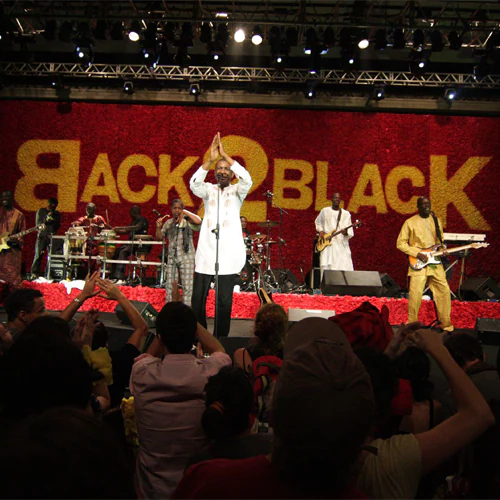
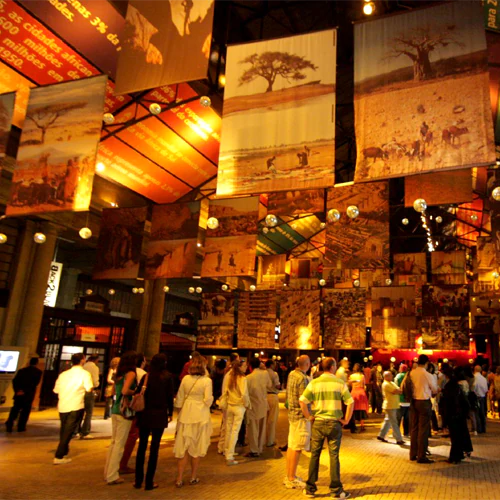
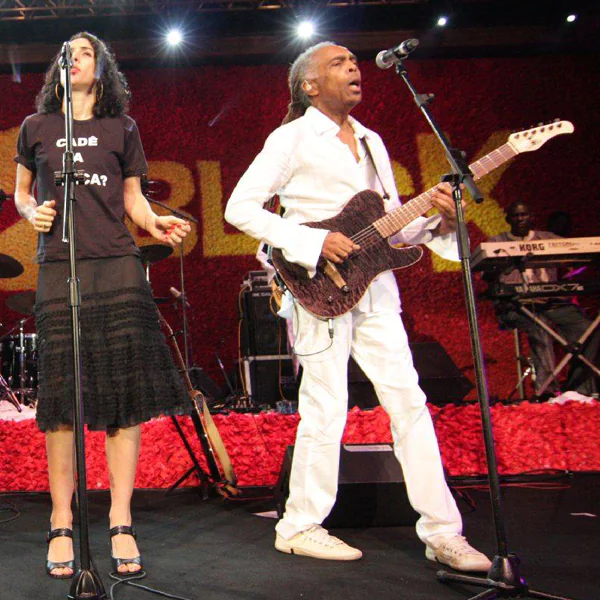
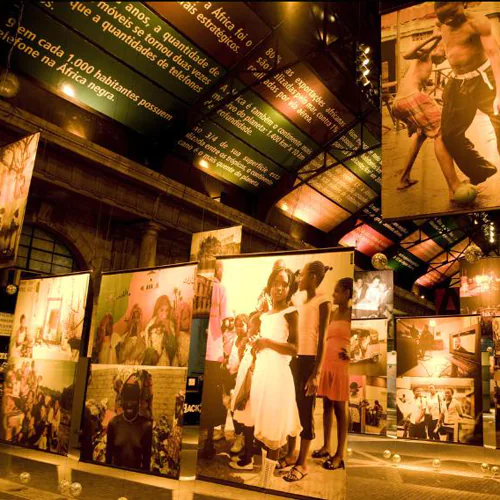
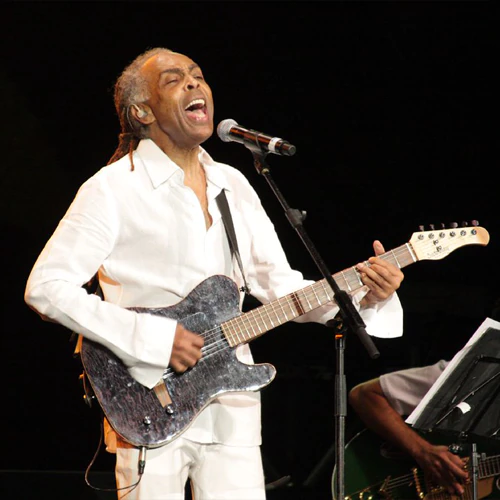
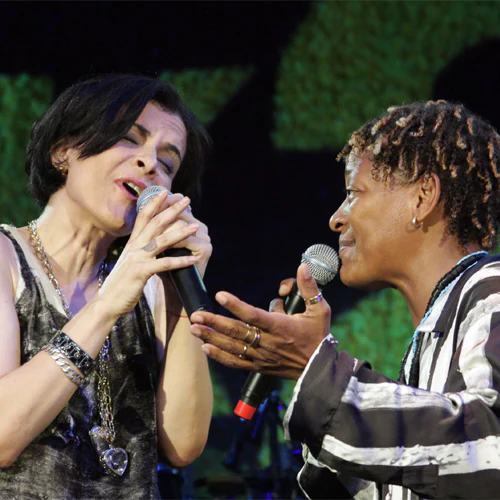
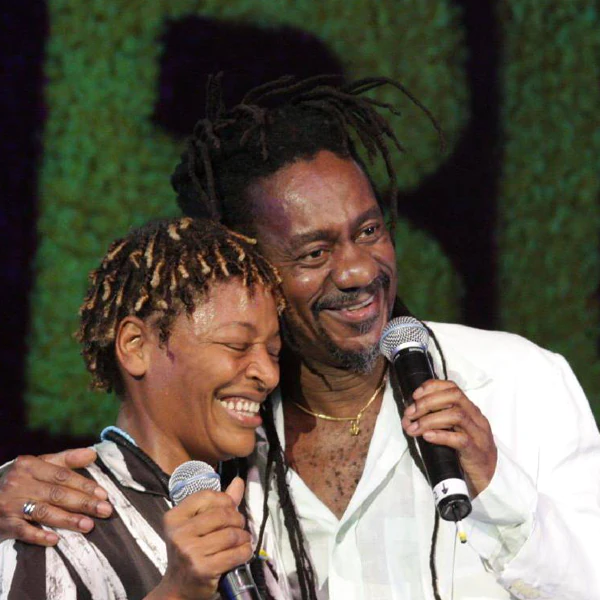
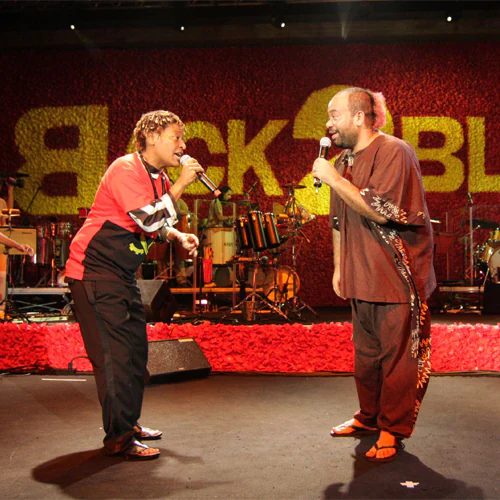
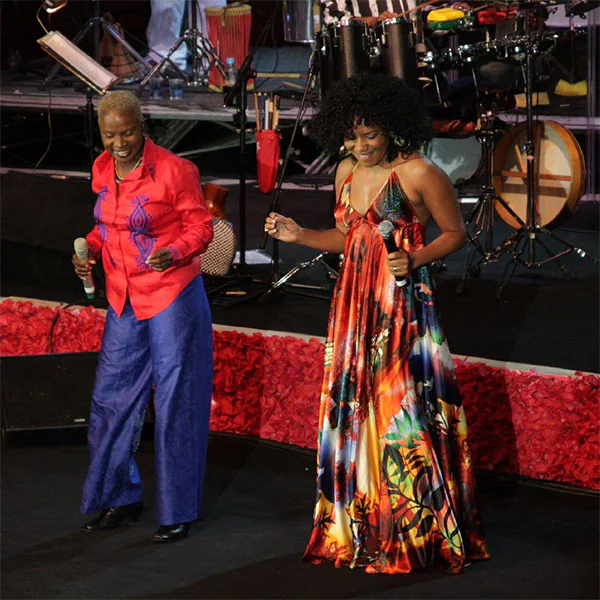
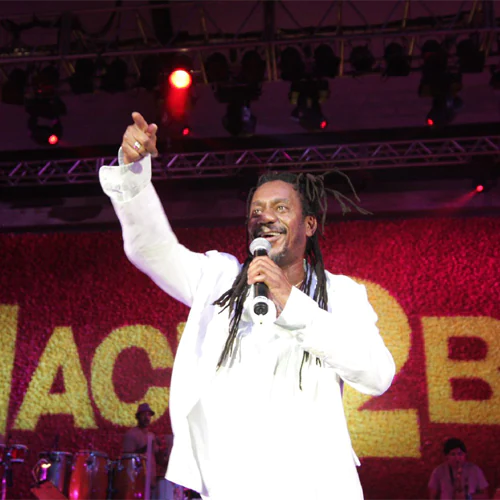
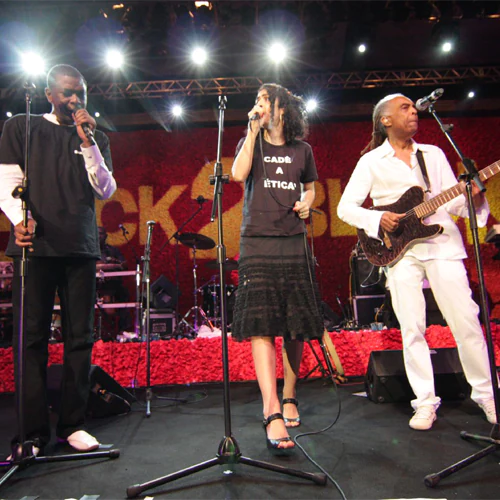
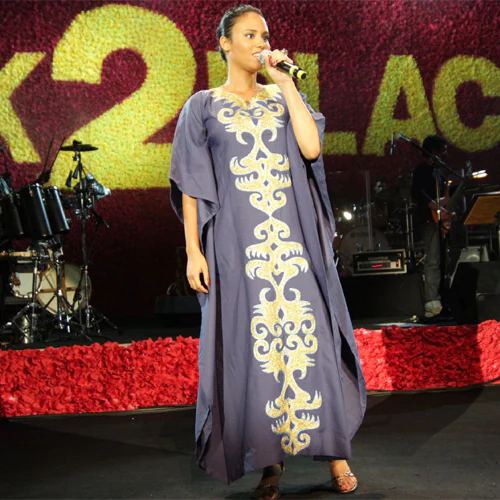
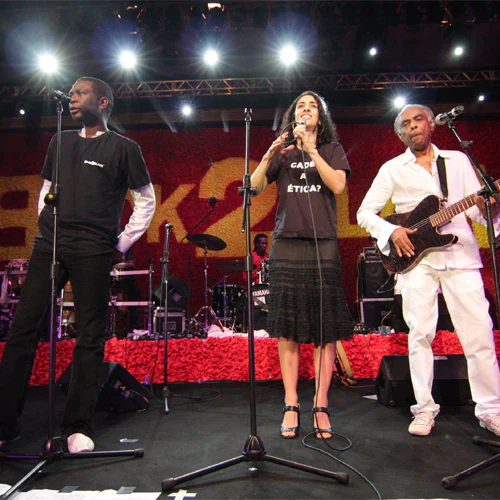
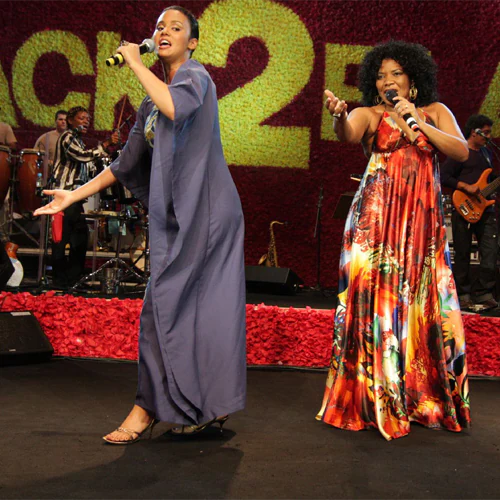
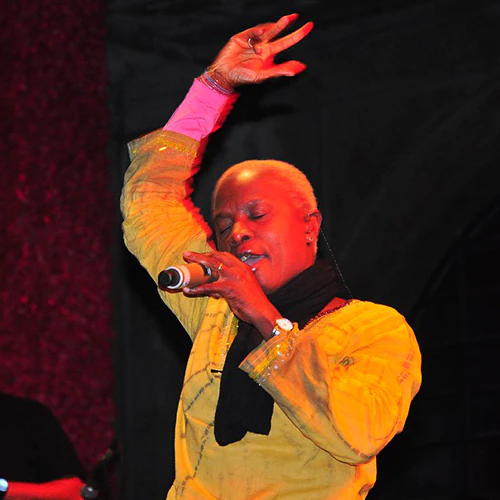
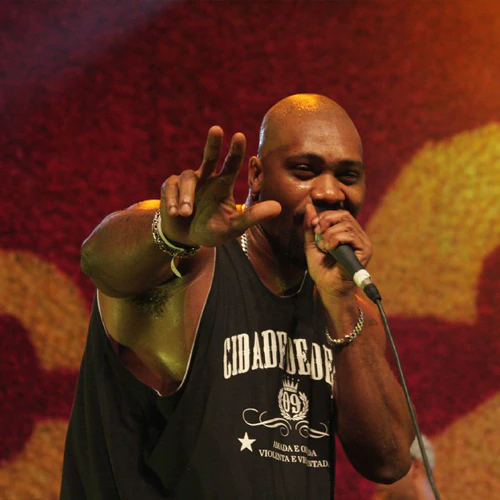
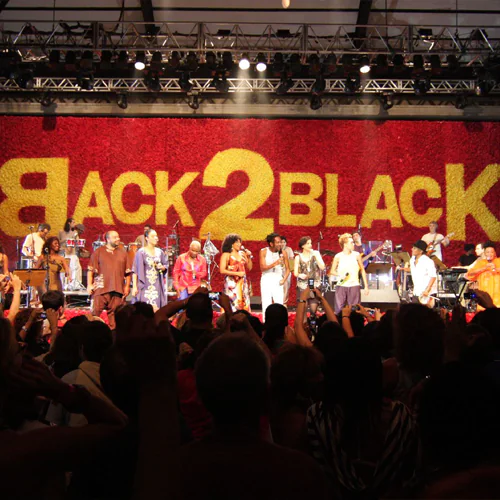
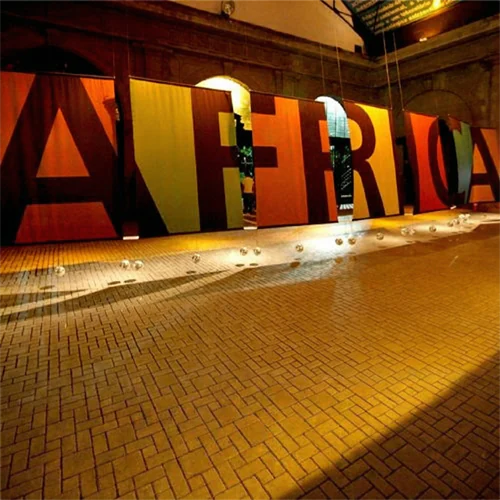
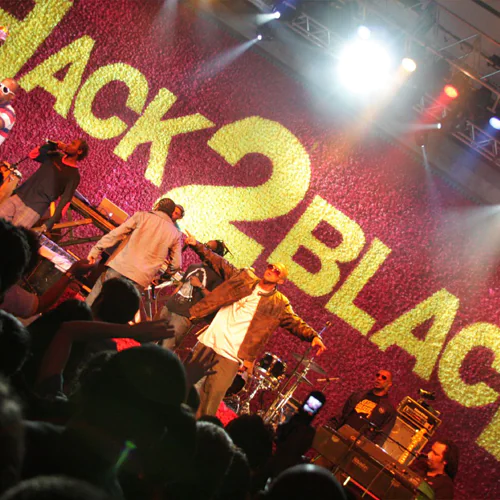
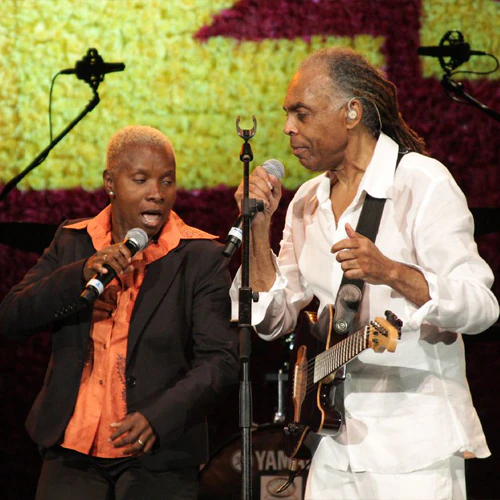
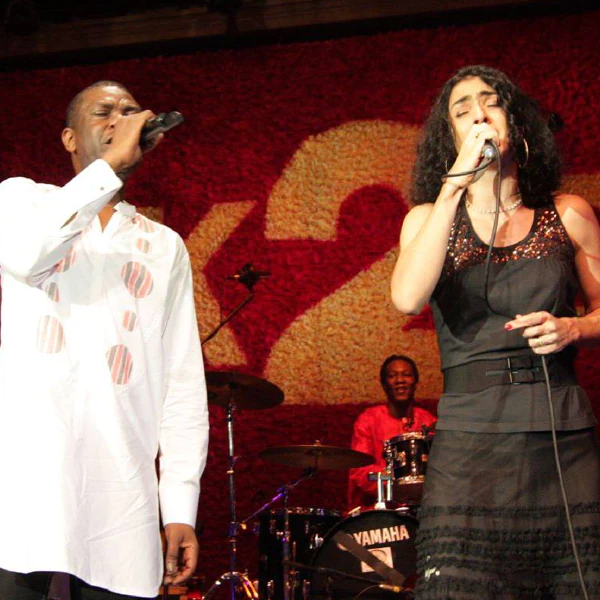
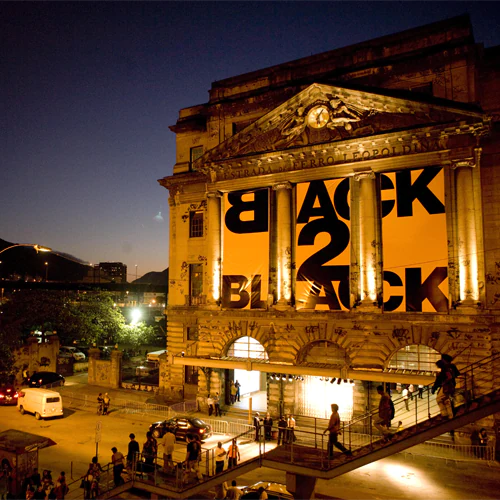
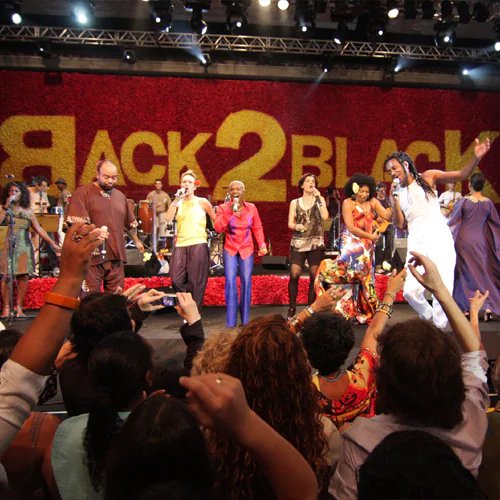
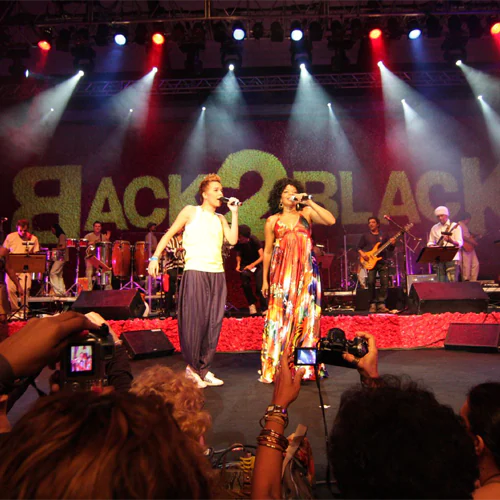
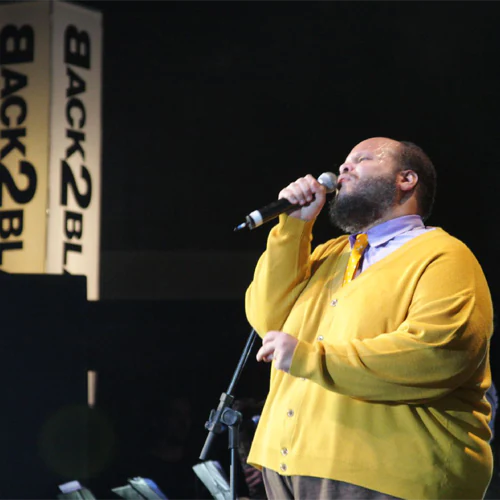
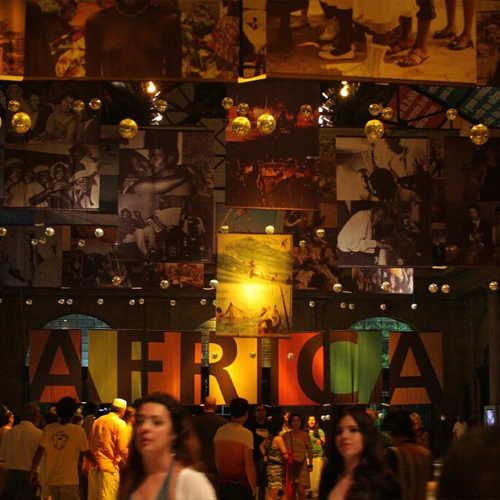
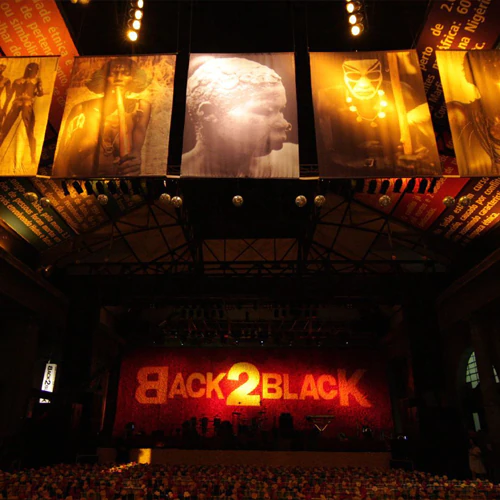
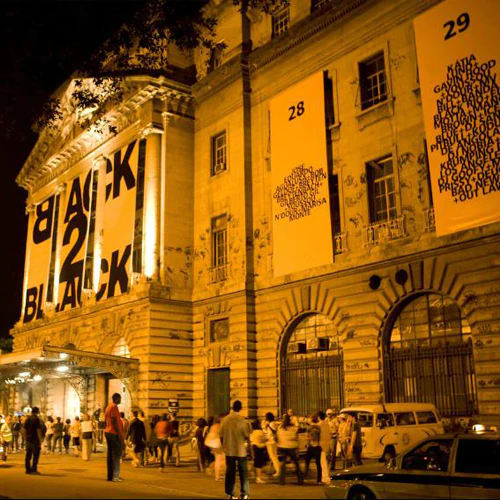
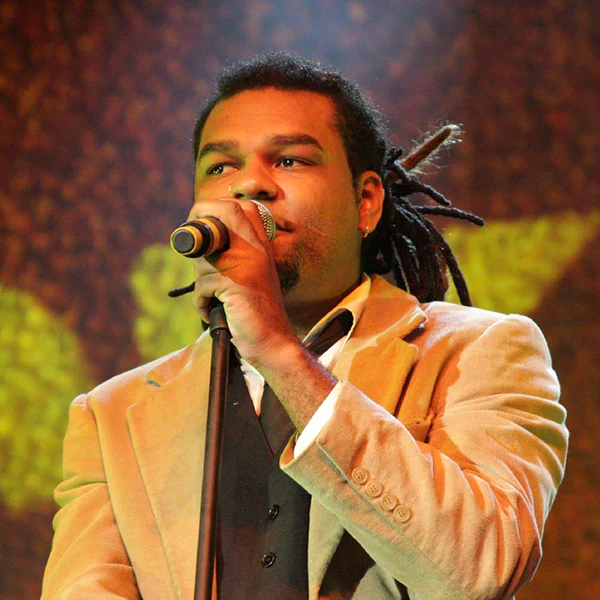
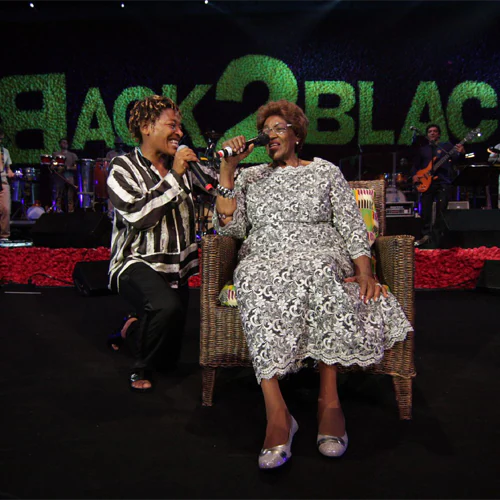
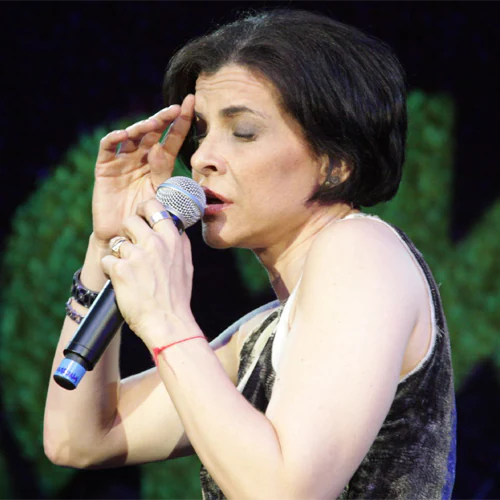
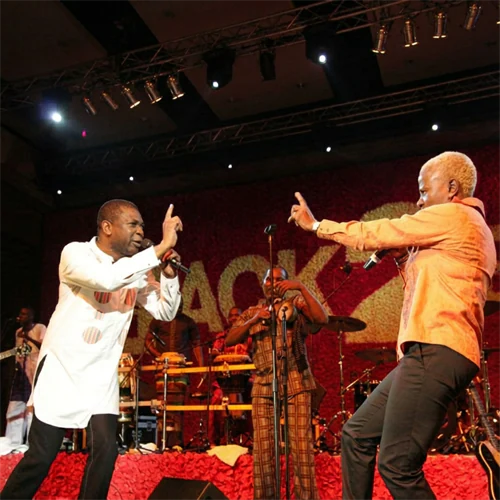
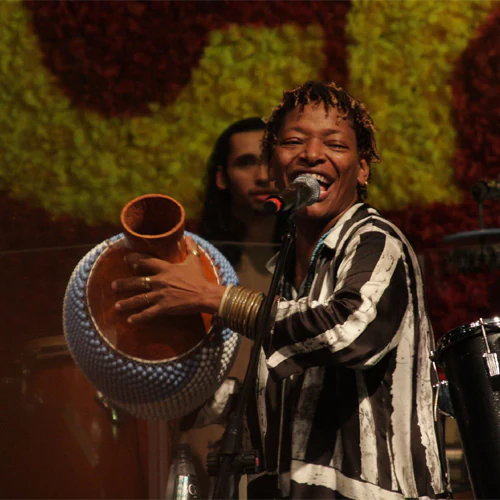
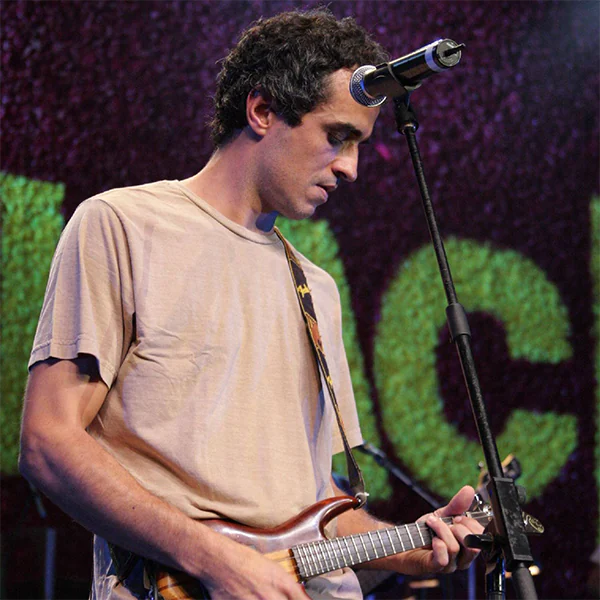
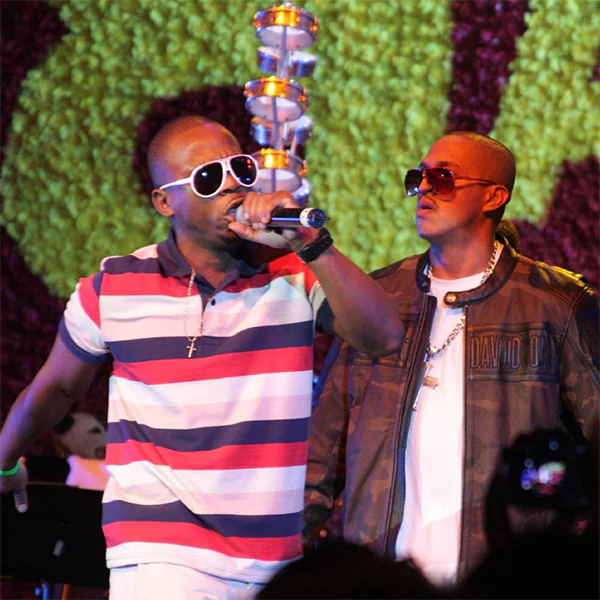
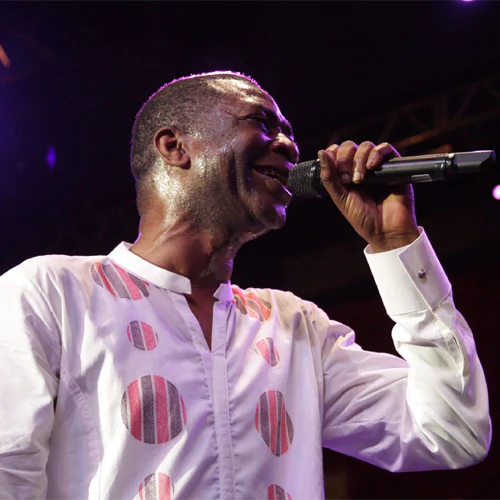
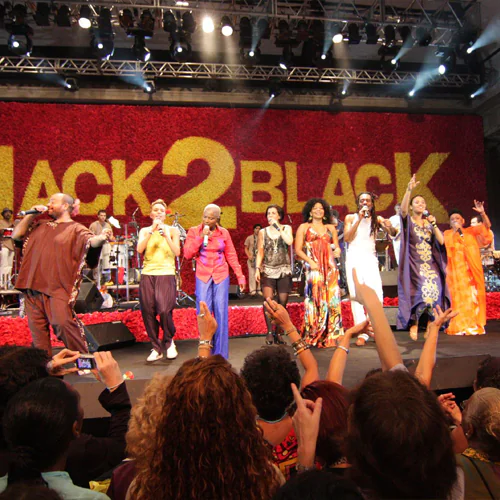
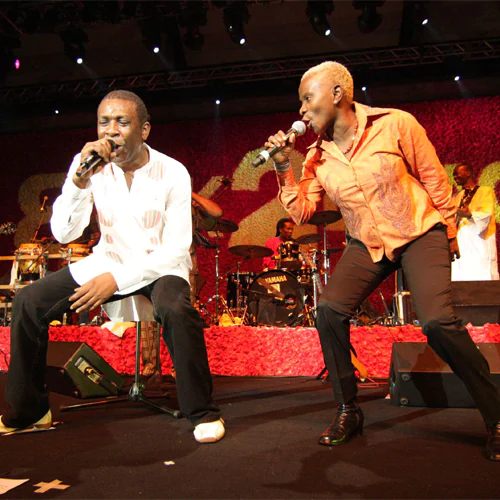
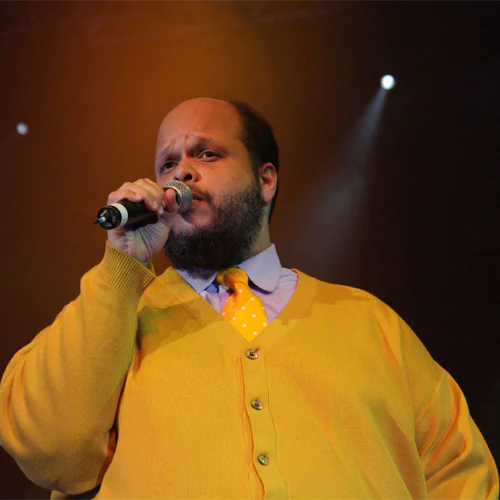
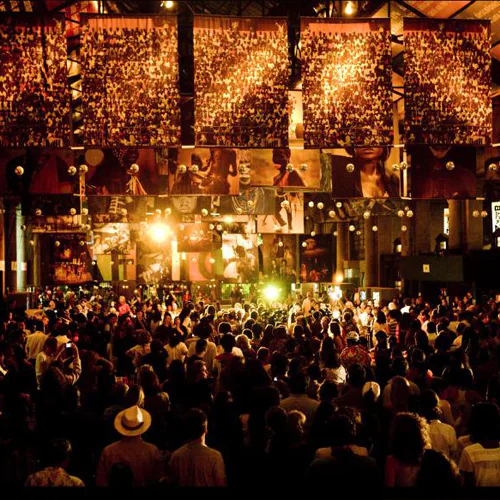
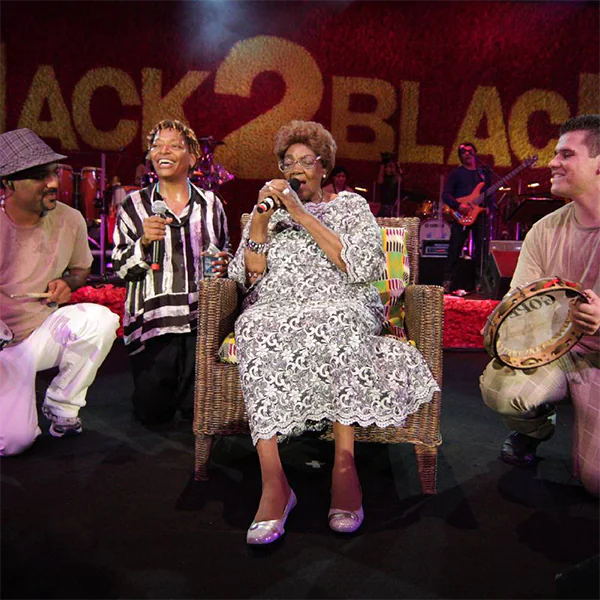
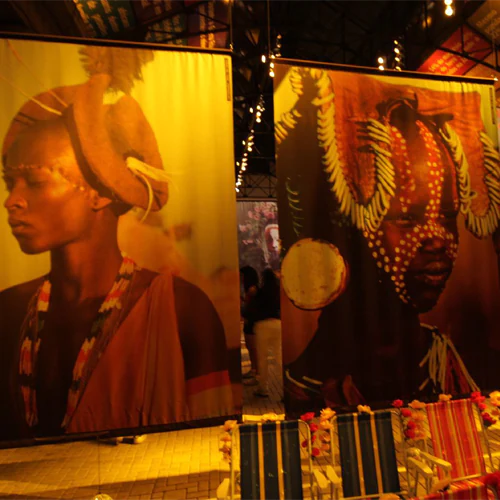
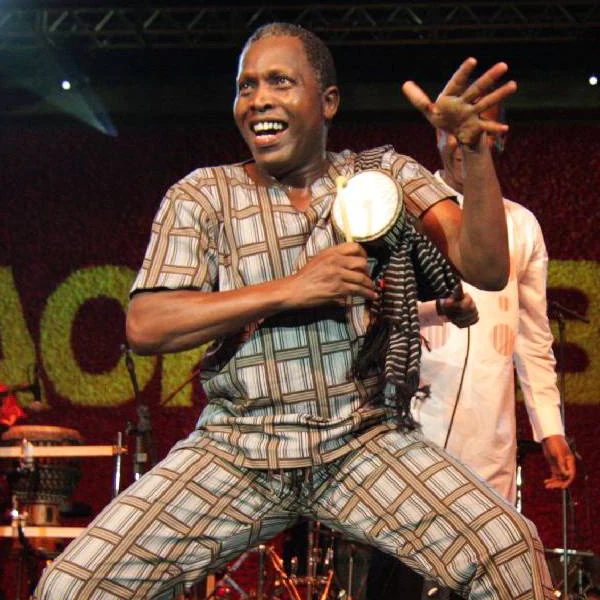
The Back2Black Festival premiered on August 28, 2009, with the mission of reaffirming Africa as the cradle of civilization and celebrating the continent as a vital center for political dialogue and cultural exchange.
Set against the scenography by Bia Lessa and held at Estação Leopoldina, in downtown Rio de Janeiro, this edition featured landmark conferences. Highlights included “Building Utopias”, which brought together singer and political activist Bob Geldof and South African writer Breyten Breytenbach—renowned for his fight against apartheid—moderated by Angolan writer José Eduardo Agualusa; and “Africa in the Making of the World”, featuring Graça Machel, former Minister of Education and Culture of Mozambique and wife of Nelson Mandela, singer and songwriter Gilberto Gil, and Zambian economist Dambisa Moyo, named by Time magazine as one of the 100 most influential people in the world, moderated by Africanist scholar Alberto da Costa e Silva.
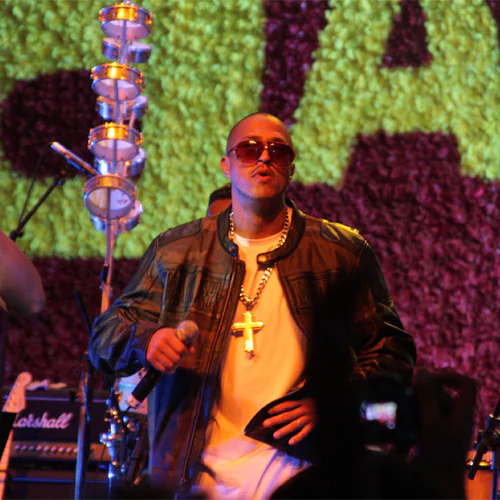
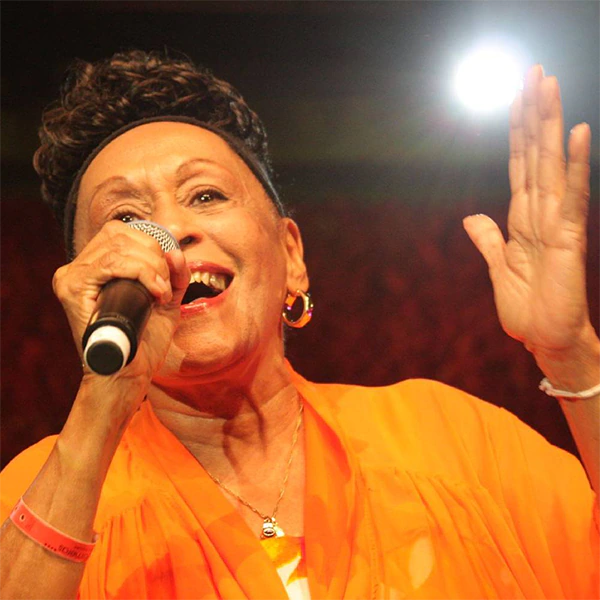
Among the musical performances, memorable concerts included Gilberto Gil; Youssou N’Dour featuring Marisa Monte; Angélique Kidjo; Paulo Flores; Mayra Andrade; Cuban singer Omara Portuondo (Buena Vista Social Club); and Banda Black Rio paying tribute to Tim Maia alongside guest artists Ed Motta, Mano Brown, and MC Ice Blue (Racionais MCs).
The event also hosted the acclaimed Celebration of Samba, bringing together artists such as Mart’nália, Dona Ivone Lara, Marina Lima, Luiz Melodia, Maria Gadú, Rodrigo Maranhão, and Margareth Menezes. In addition, Back2Black promoted the unprecedented Meeting of the Peripheries, placing at center stage Rio’s Funk Carioca (DJ Sany Pitbull and dancers), Angola’s Kuduro (DJ Znobia and dancers), and Krumping from Los Angeles (DJ Goofy, Miss Prissy, Deuce, Bad Newz, and “O”utlaw).
2010 — August 27, 28 and 29
Estação da Leopoldina - Rio de Janeiro / Brazil
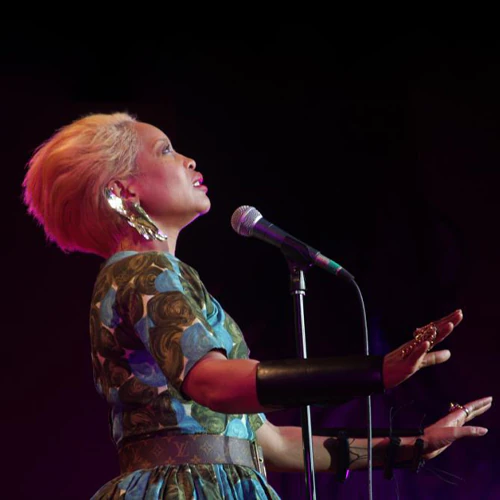
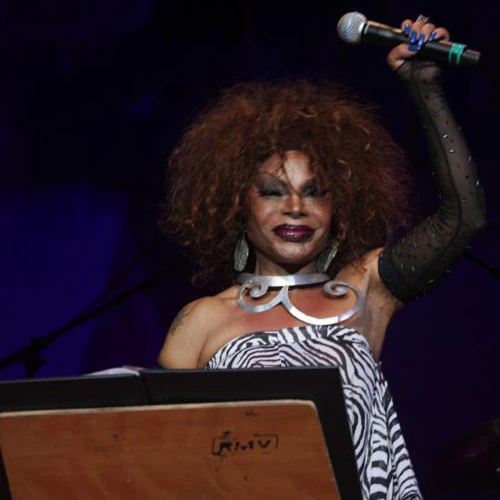
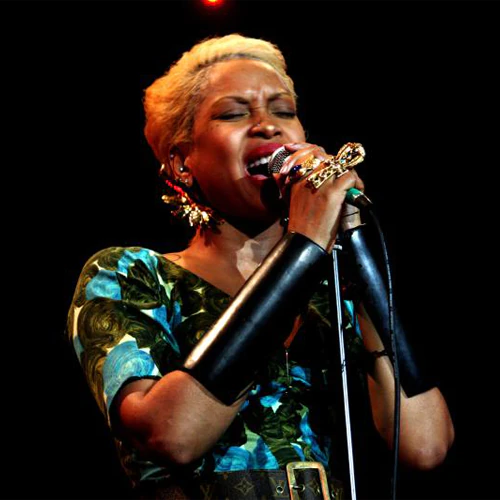
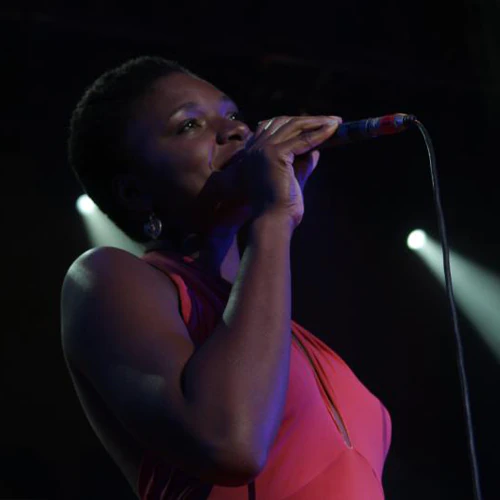
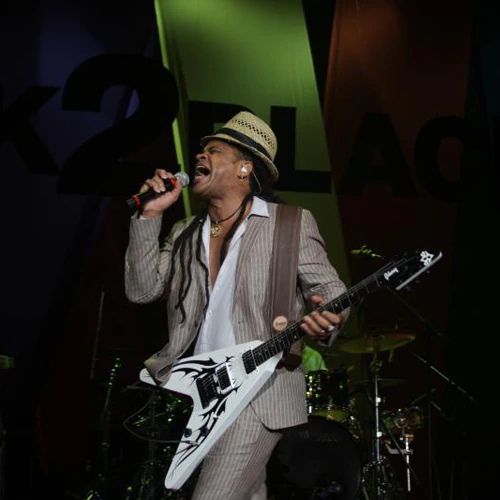
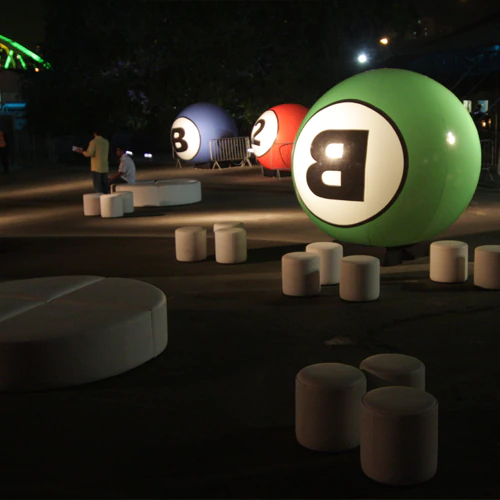
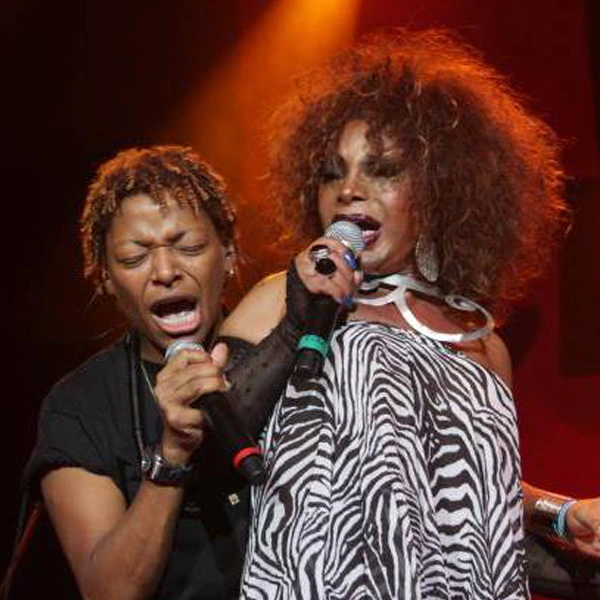
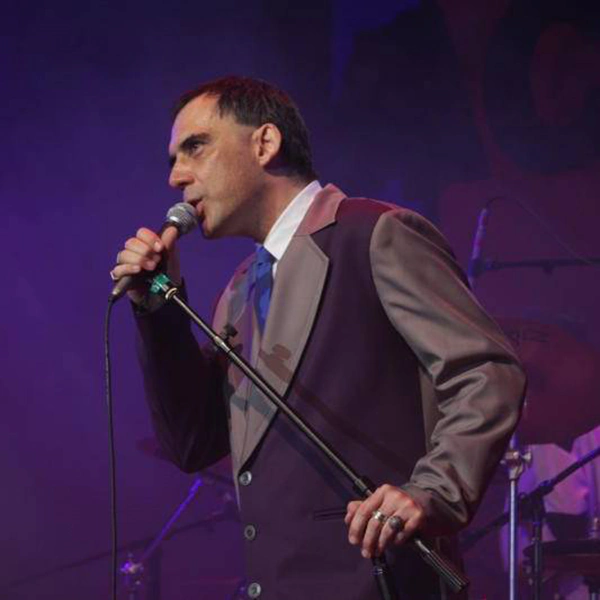
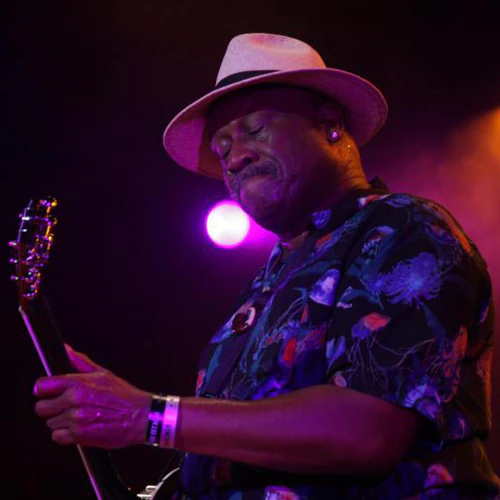
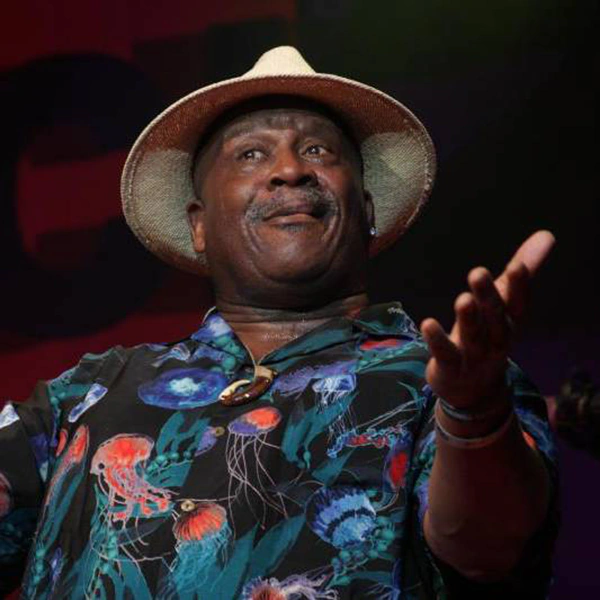
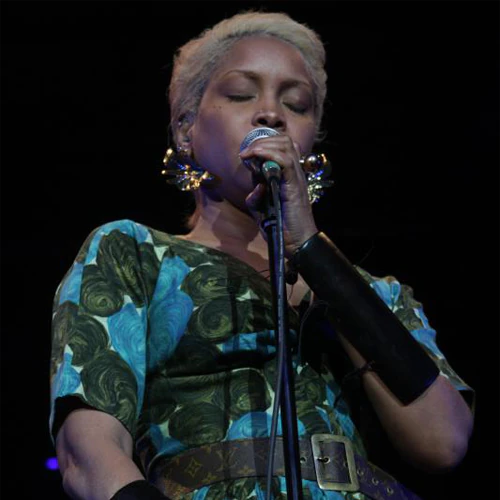
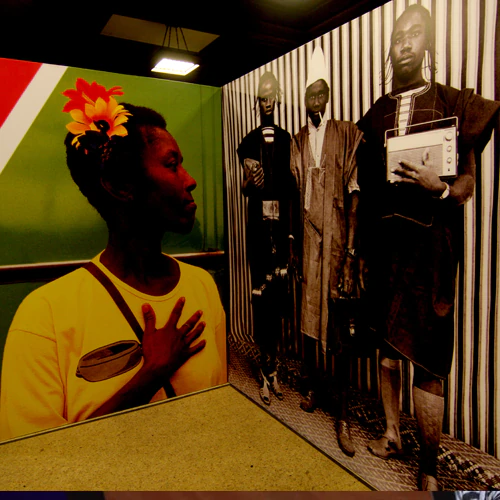
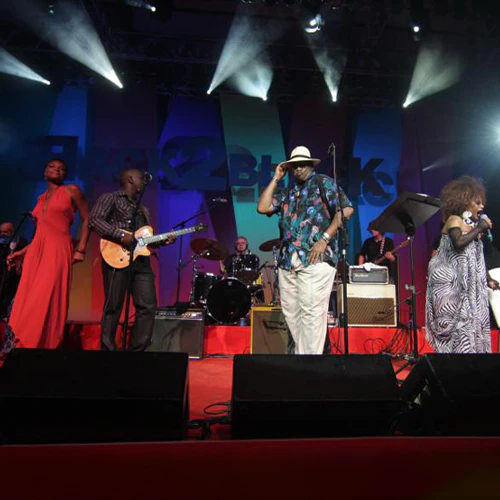
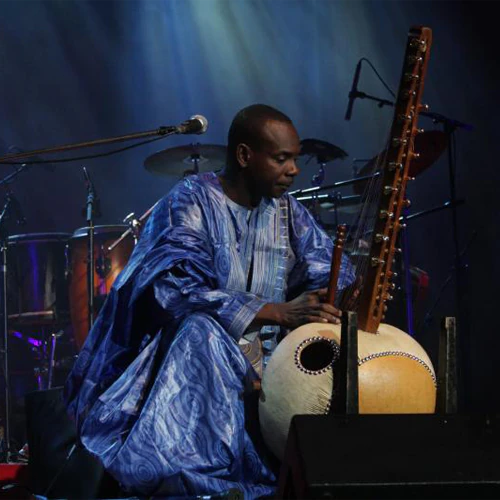
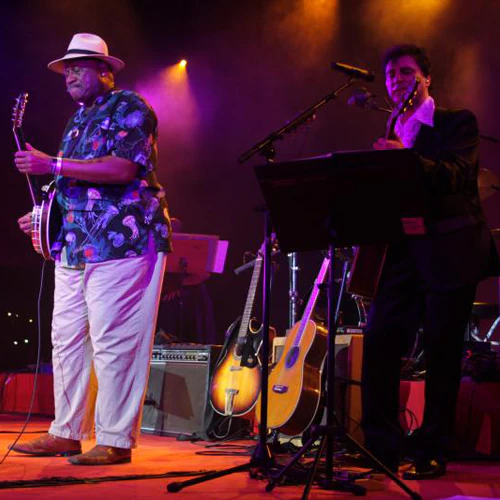
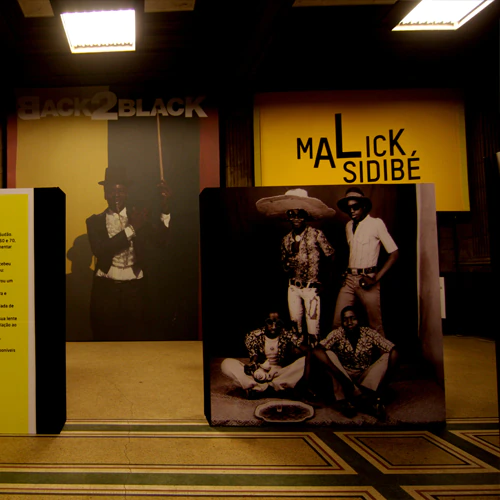
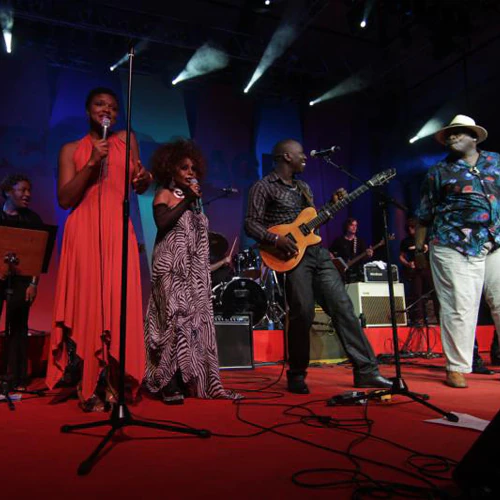
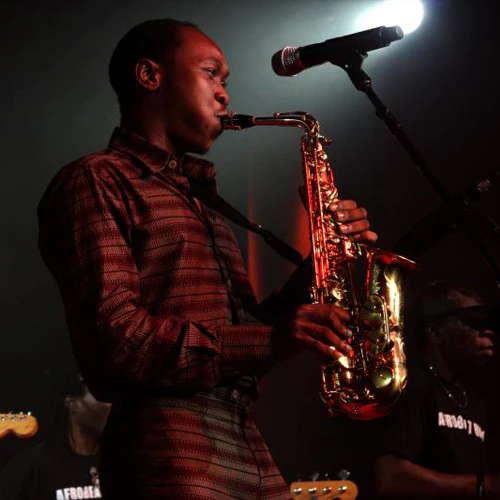
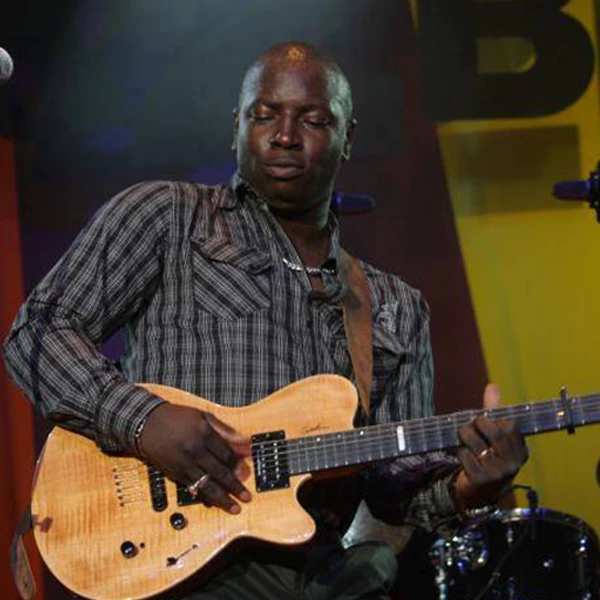
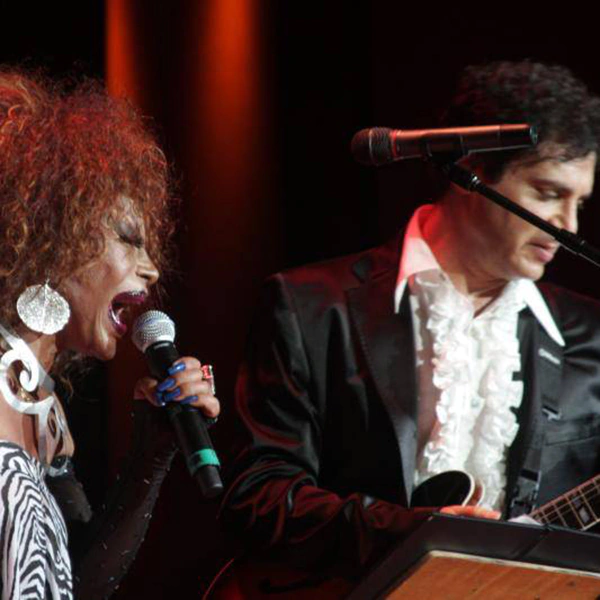
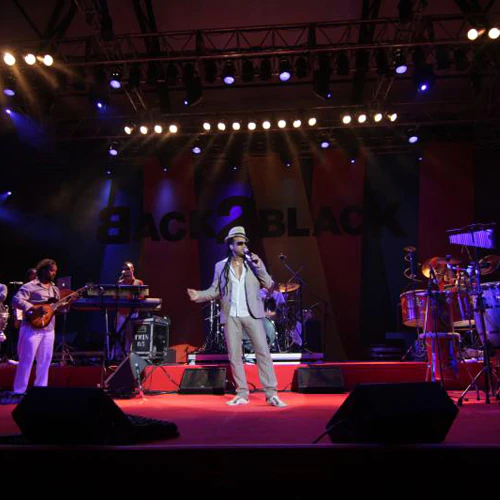
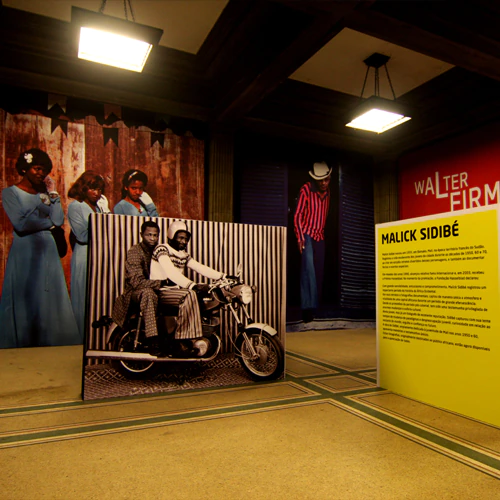
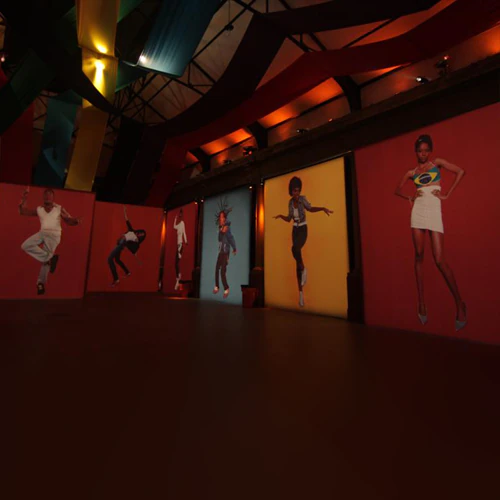
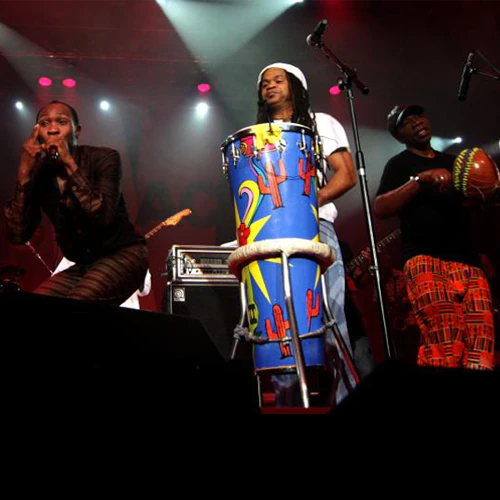
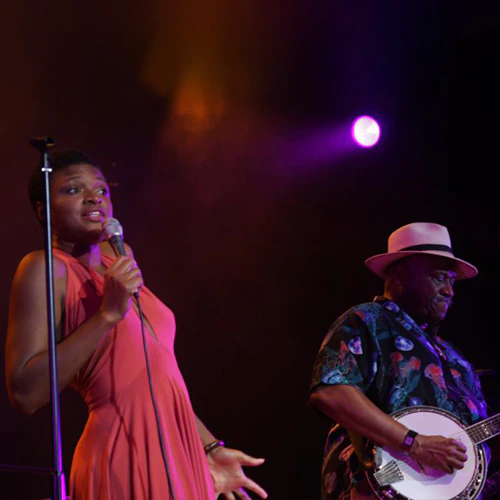
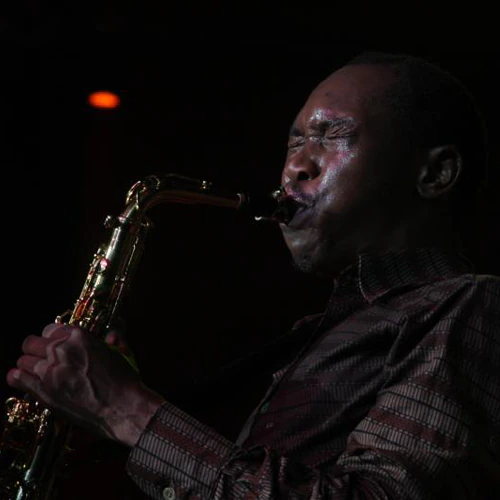
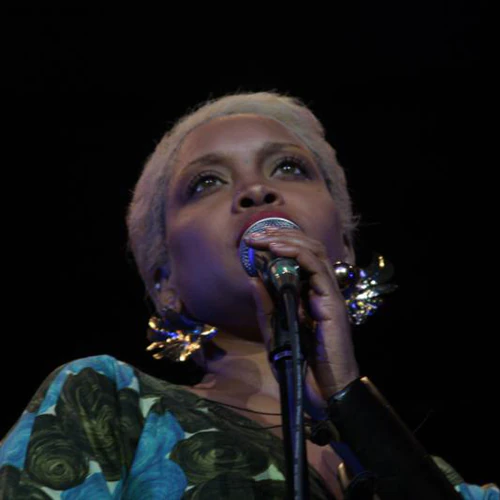
In its second edition, the Back2Black Festival consolidated its vision and fulfilled its mission, establishing itself as a reference in Afro-Brazilian culture and dialogue. The event’s Art Direction and scenography were conceived by Vik Muniz and Gringo Cardia.
Among the conferences, notable discussions included “Human Rights and Civil Society”, featuring Joyce Banda (then President of Malawi), Nigerian writer and activist Chris Abani, anthropologist Rubem César Fernandes, and Bahian architect and cultural producer Zulu Araújo; “Creativity”, bringing together multi-artist Dave Stewart, visual artist Vik Muniz, and South African poet, musician, and actor Zola, moderated by writer and historian Heloisa Buarque de Hollanda; and “Literature, Image and Sound”, led by writers Mia Couto and José Eduardo Agualusa alongside filmmakers Cacá Diegues and Rui Guerra.
The three stages at Estação Leopoldina welcomed international artists such as Erykah Badu, Seun Kuti + Fela’s Egypt 80, Theophilus London, Dave Stewart + Judith Hill, Nadirah X + Ann Marie Calhoun, Joya Bravo, MC Zola, and Zakee, as well as Brazilian artists including Carlinhos Brown and Arnaldo Antunes, who performed alongside Malian musician Toumani Diabaté, with special participation by Jam da Silva.
The closing night featured the unprecedented Celebration of the Blues, bringing together Elza Soares, Frejat, Mart’nália, Taj Mahal, and Vieux Farka Touré. This edition also brought together center and periphery with the presentation of the Baile do Viaduto de Madureira, held at Estação Leopoldina.
2011 — August 26, 27, 28 and 29
Estação da Leopoldina - Rio de Janeiro / Brazil
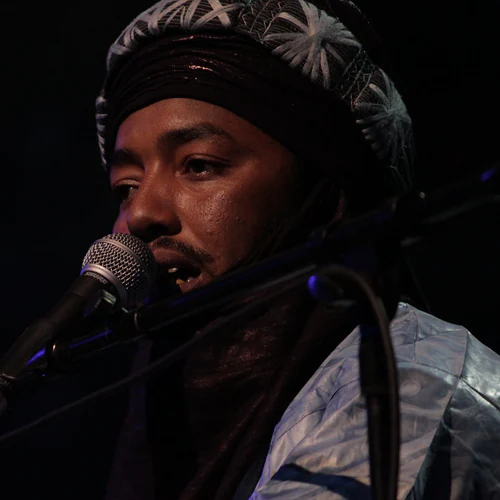
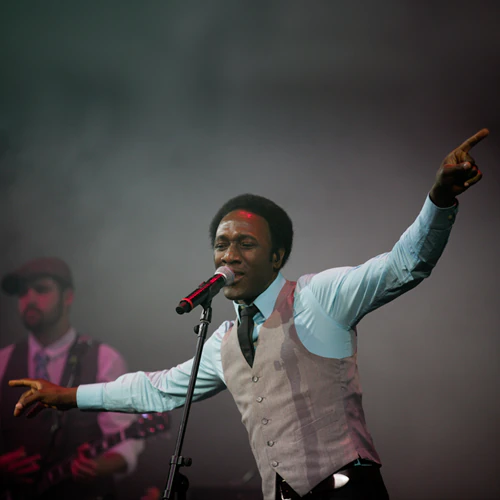
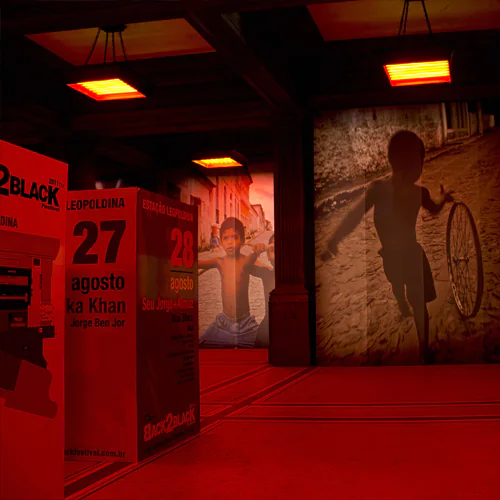
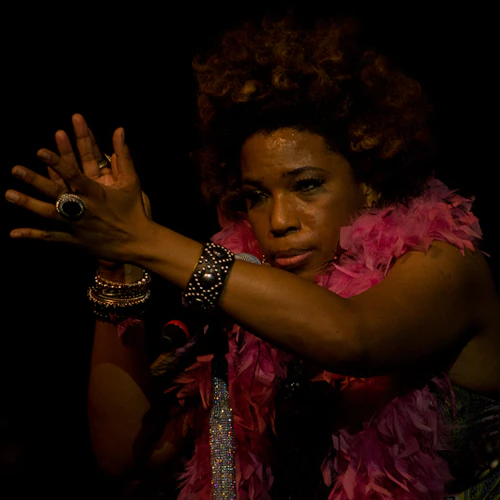
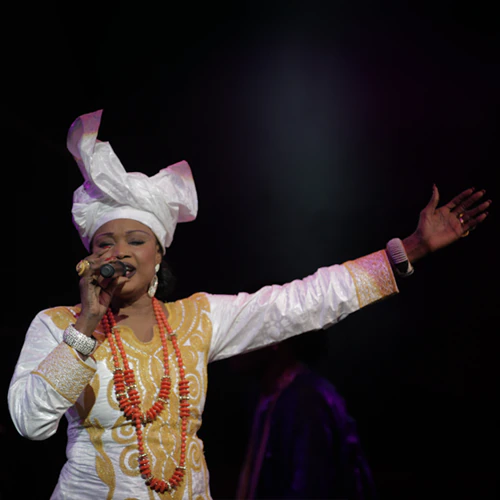
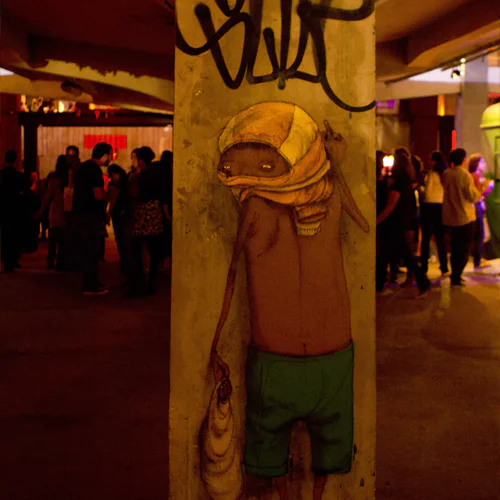
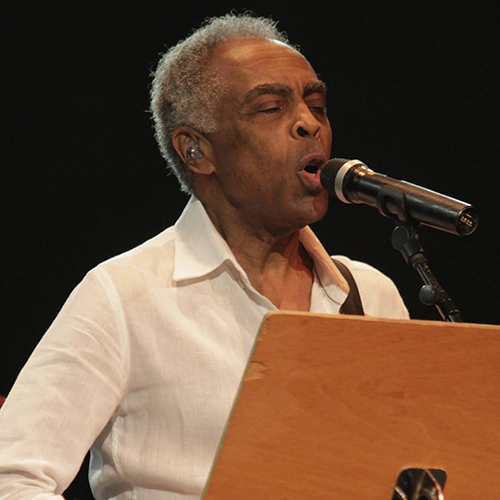
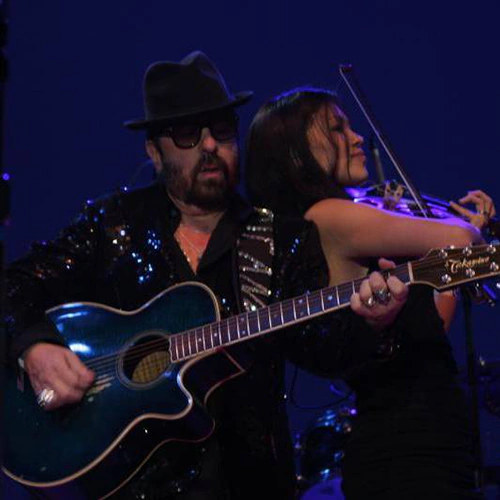
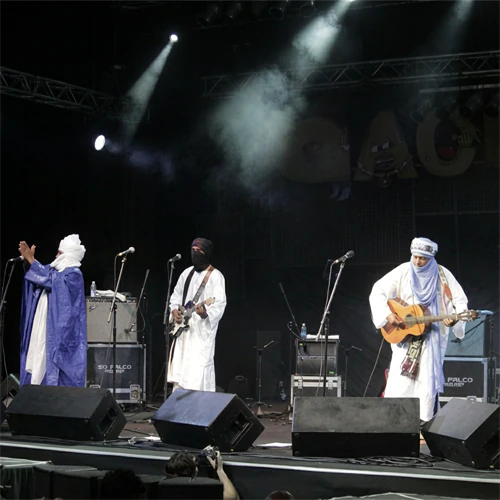
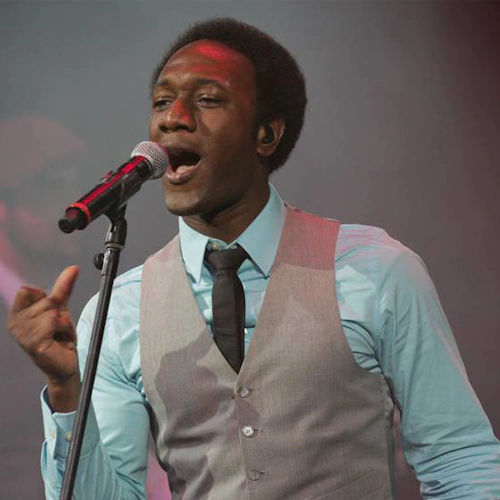
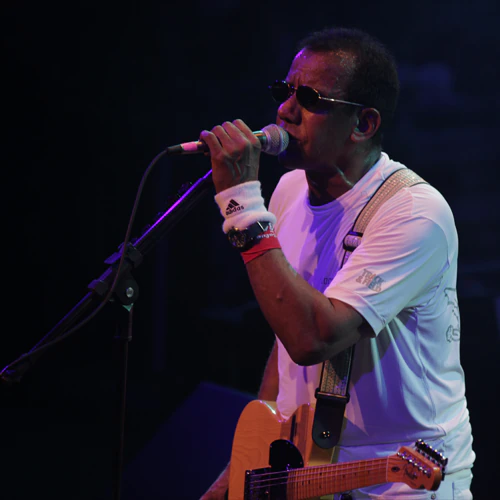
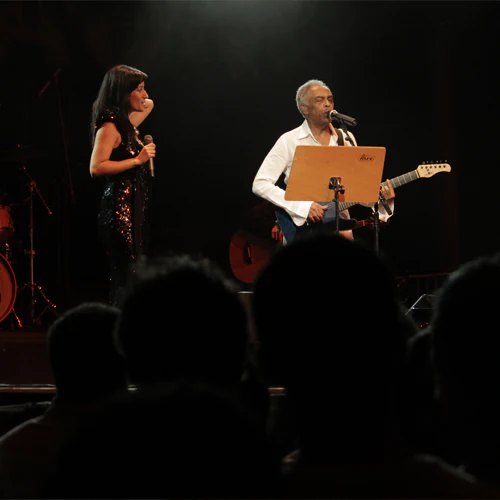
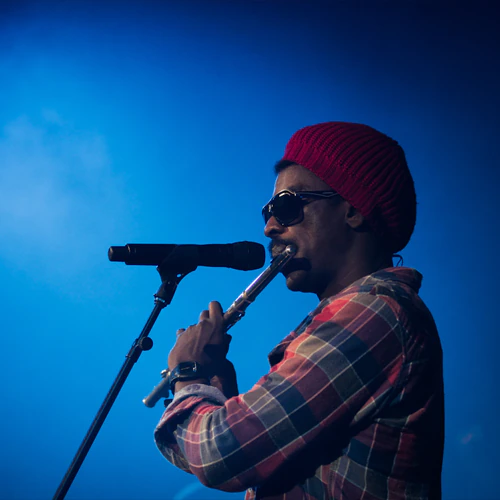
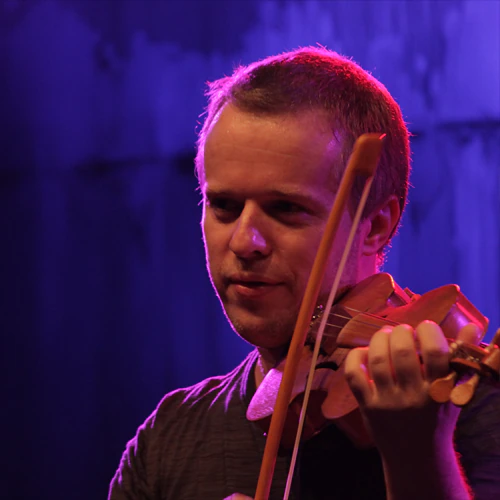
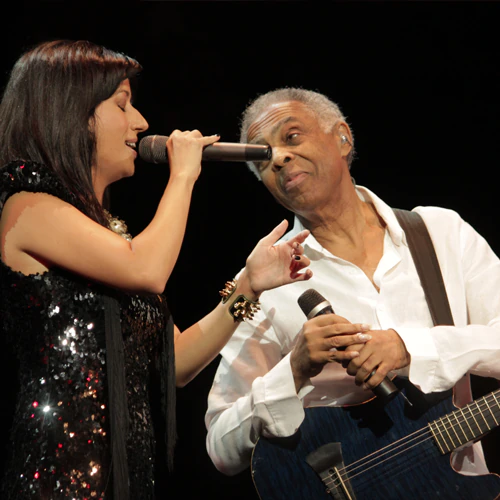
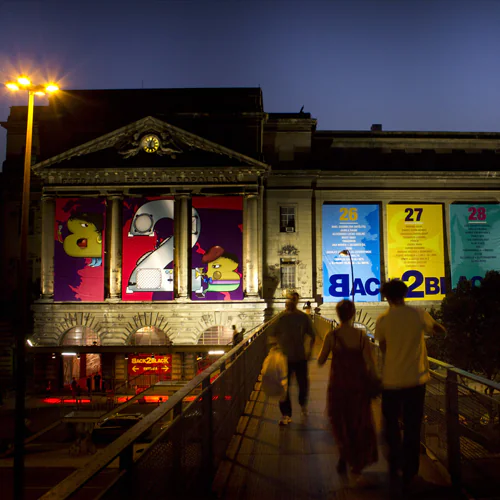
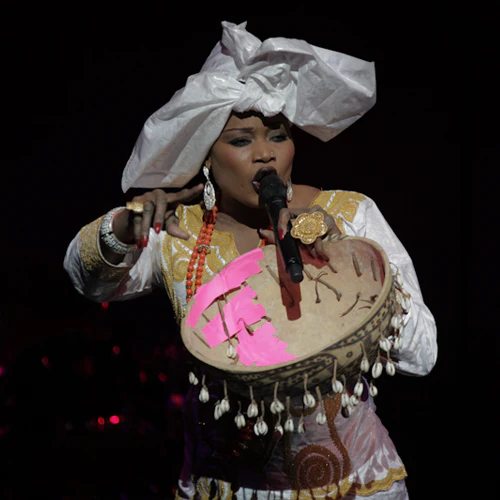
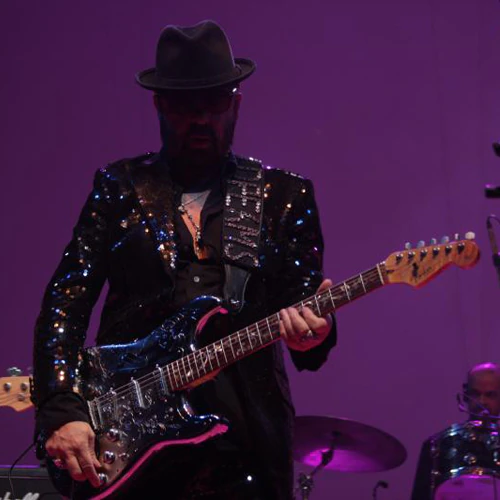
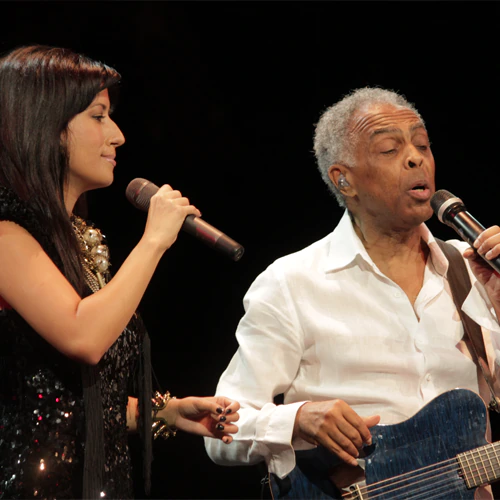
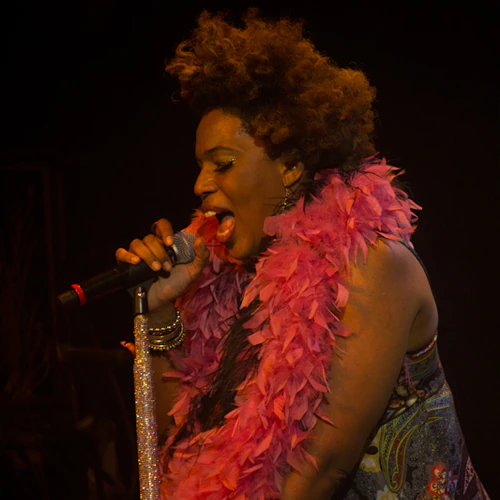
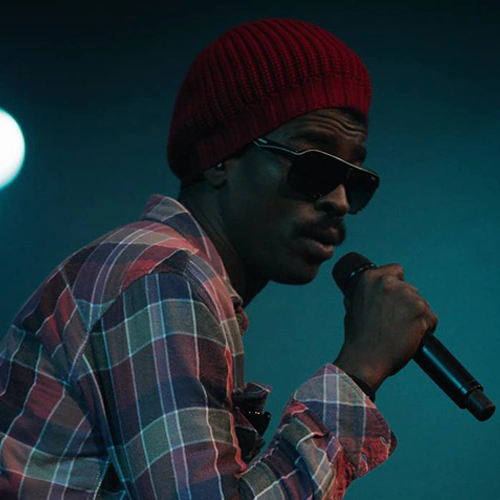
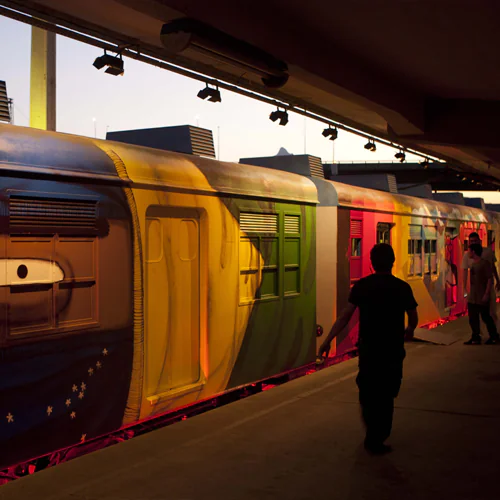
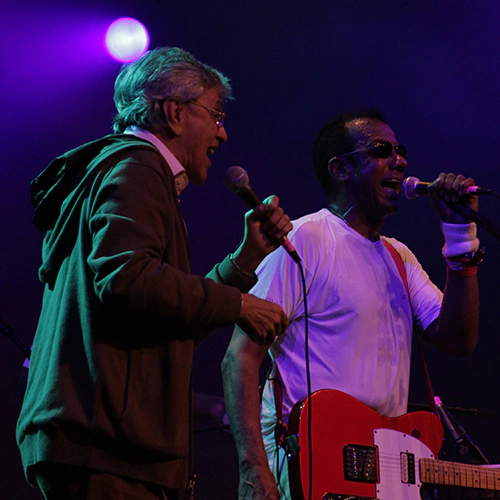
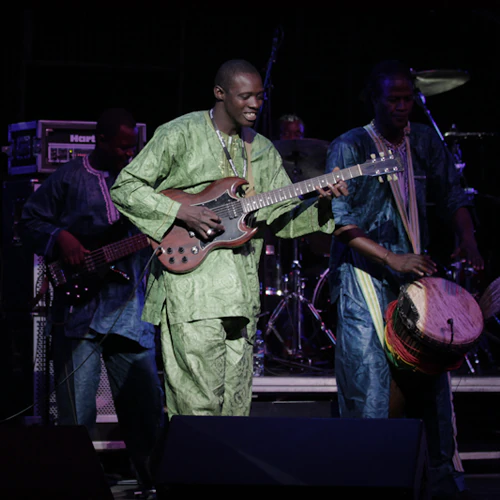
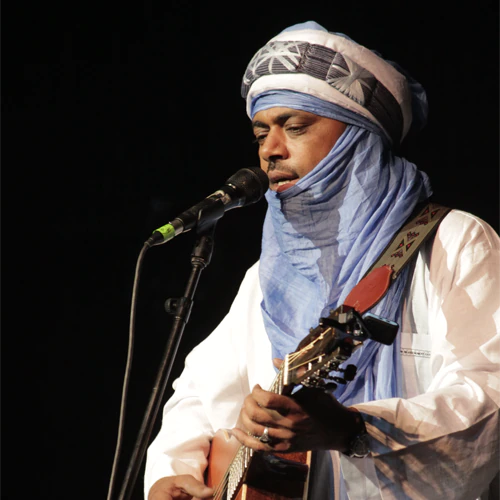
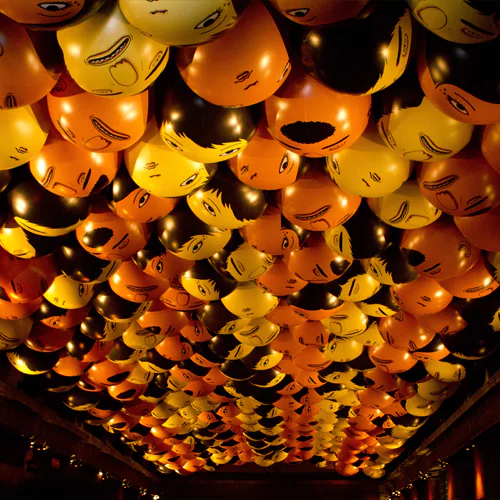
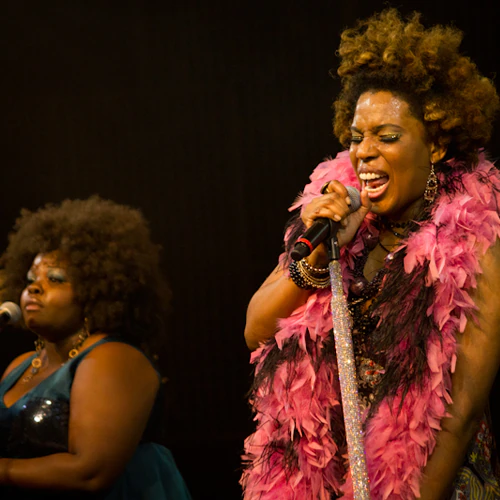
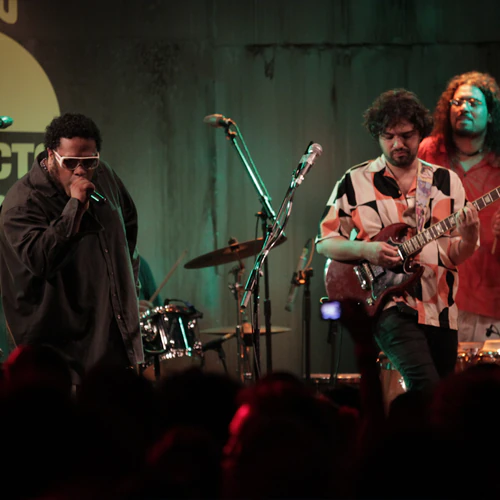
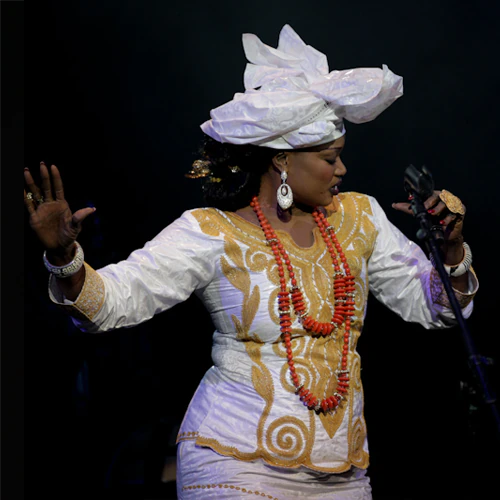
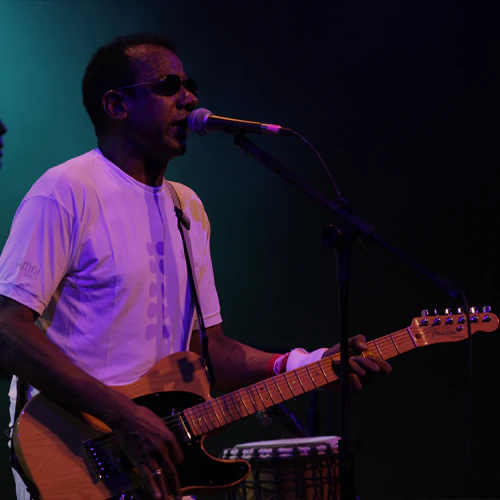
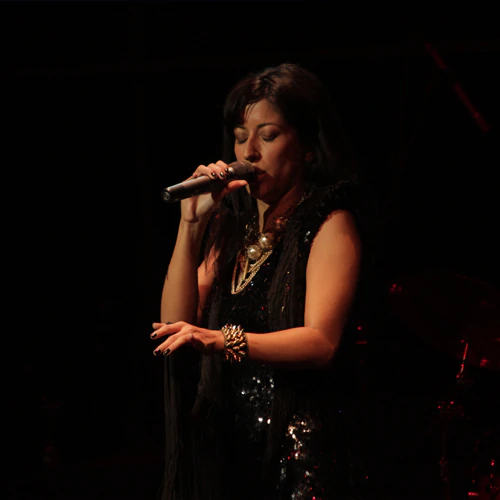
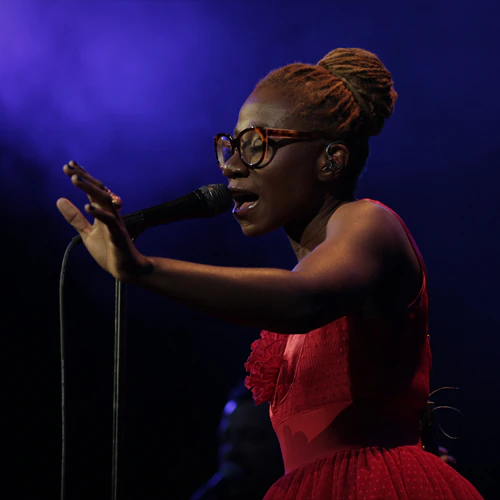
In its third edition, the Back2Black Festival once again occupied and transformed Estação Leopoldina, this time featuring scenography led by the artists Os Gêmeos.
The musical program brought together acclaimed artists such as Macy Gray and Chaka Khan, Jorge Ben Jor, Seu Jorge and Almaz, Ana Moura, Gilberto Gil, the Tuareg group Tinariwen, Malian singer Oumou Sangaré, American artist Aloe Blacc, and Nigerian singer Asa, as well as special collaborations including Moreno Veloso + Domenico, Nicolas Krassik, Quinho + Jards Macalé, and Paraphernalia + BNegão.
Late-night programming was driven by Rio de Janeiro’s urban movements, with after-parties hosted by collectives such as Moo and Combo, and the unforgettable Baile Charme, led by DJs Marlboro (Funk), Corello (Charme), Fernandinho (Charme), and DJ CIA (Break).
2012 — June 29 and 30, and July 1
Old Billingsgate - London / England
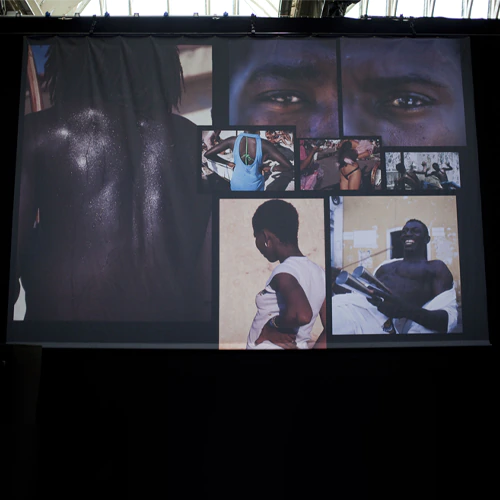
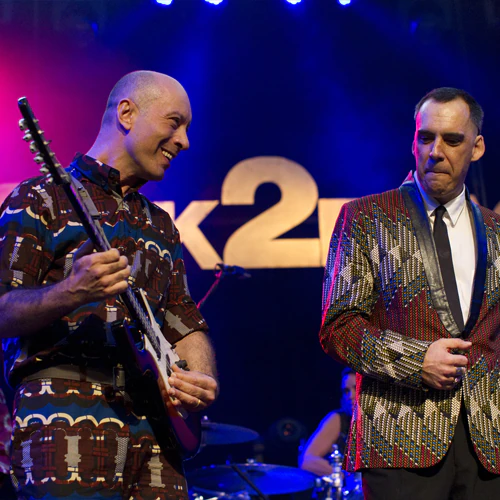
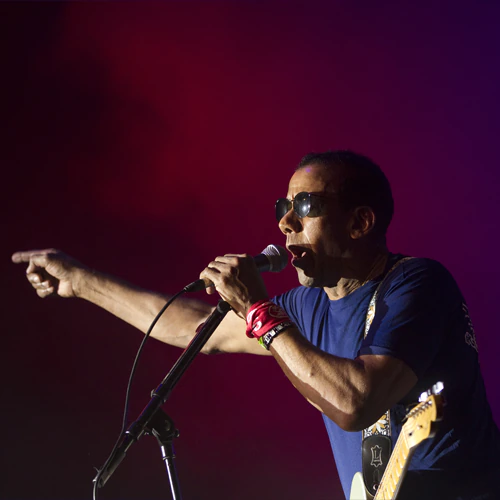
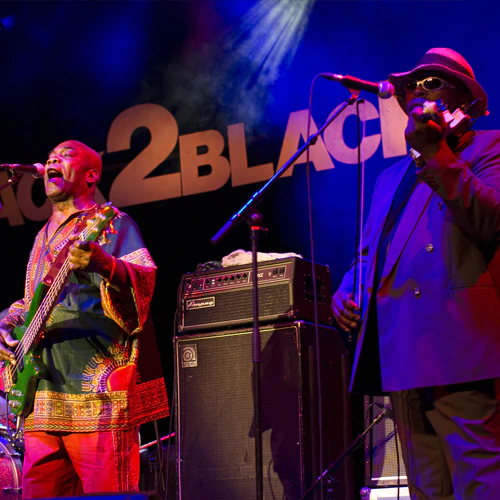
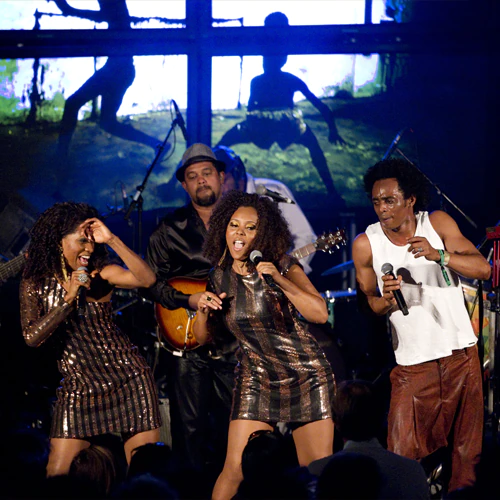
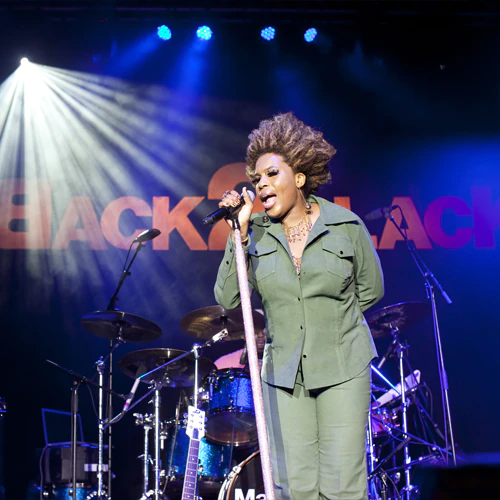
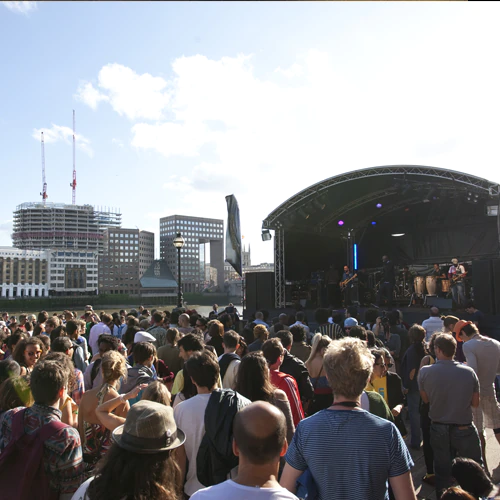
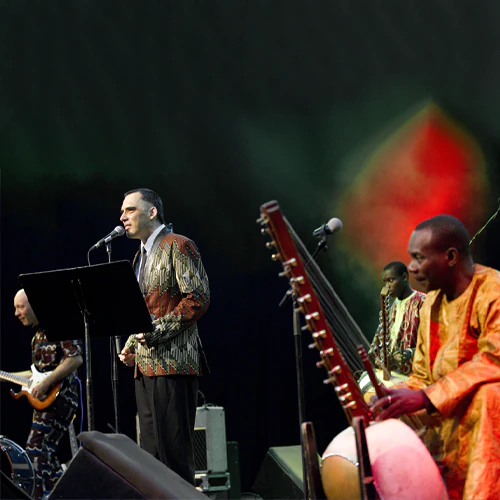
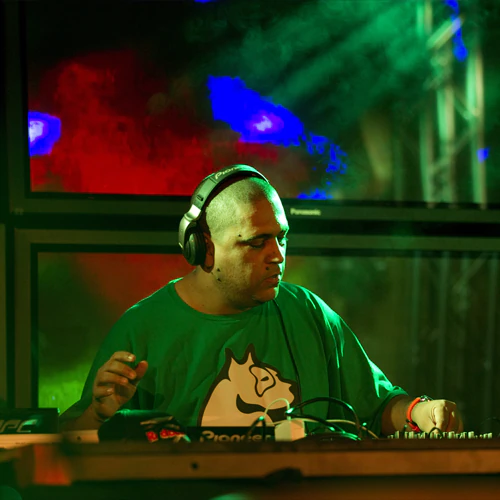
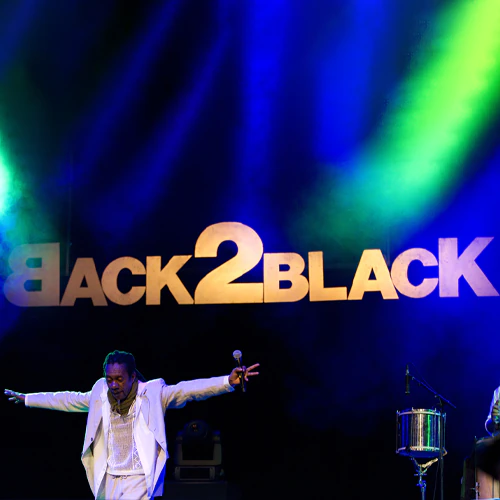
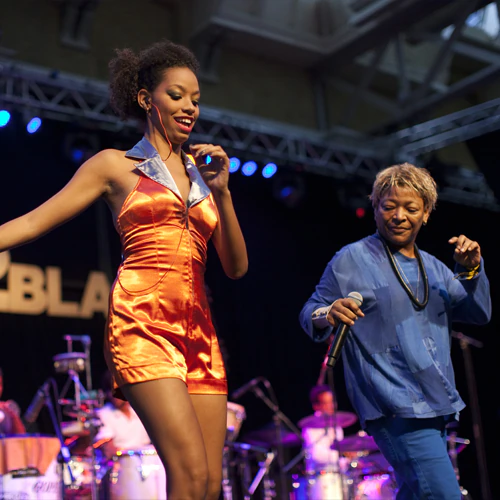
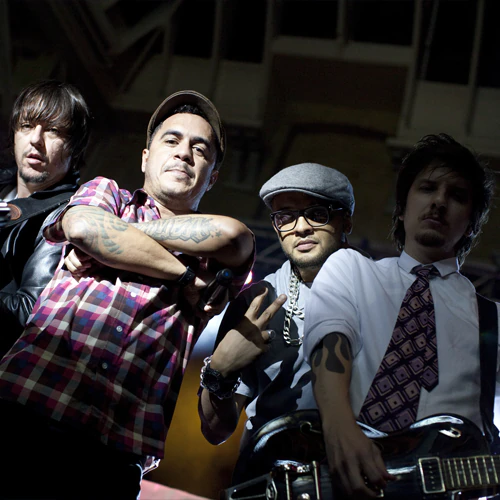
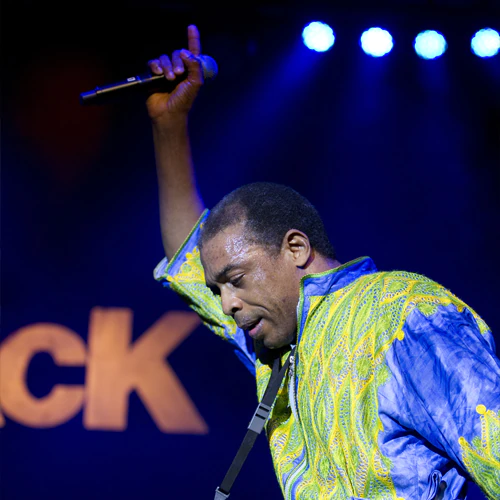
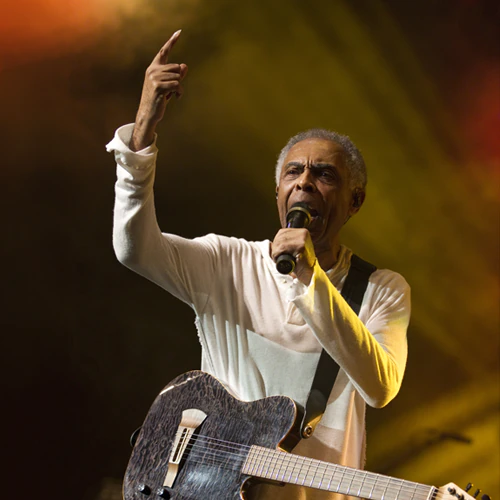
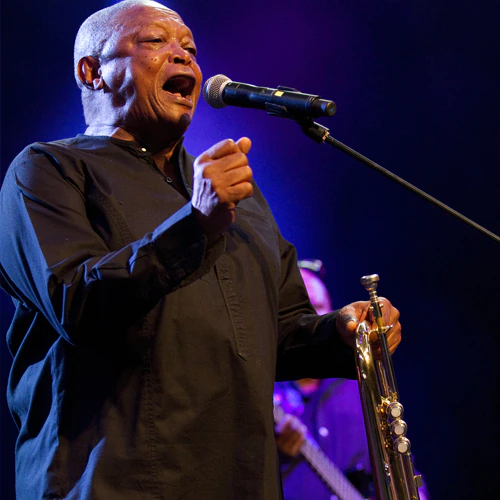
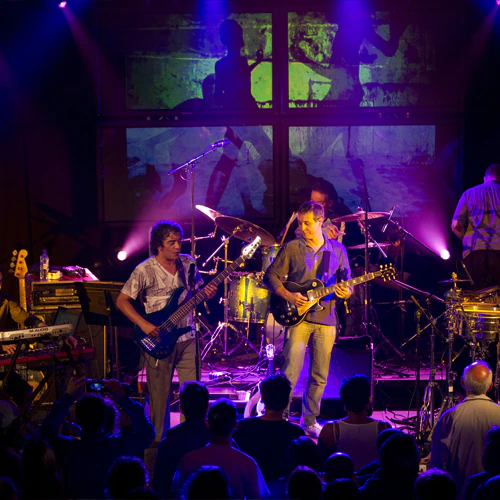
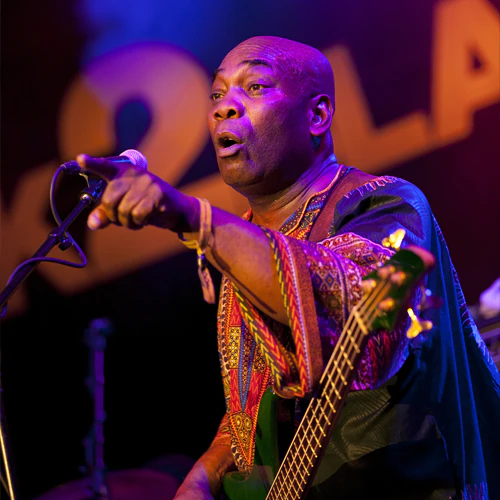
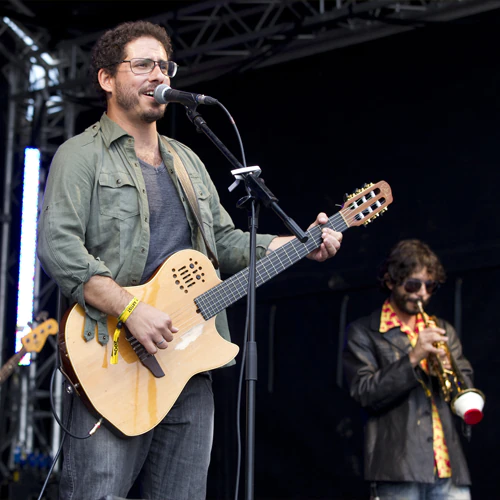
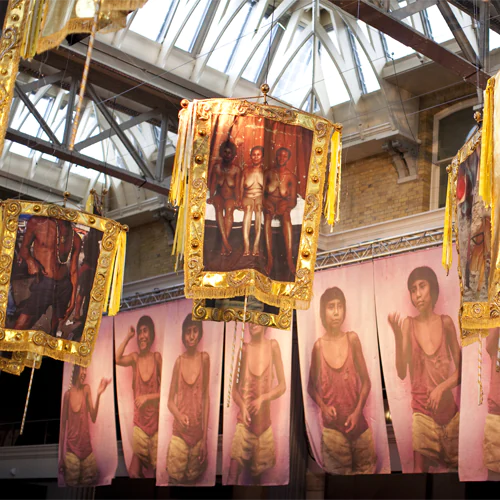
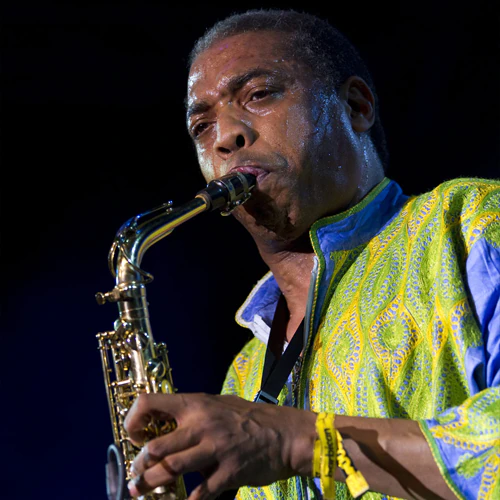
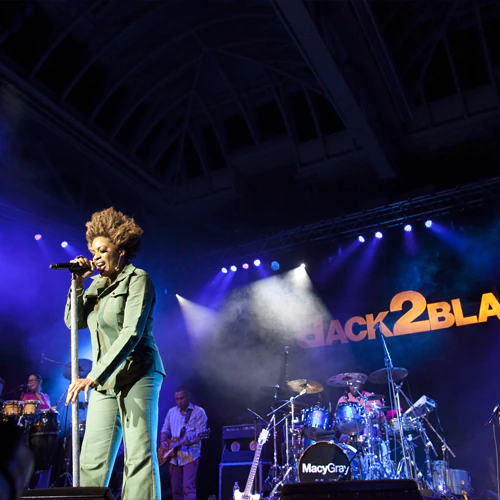
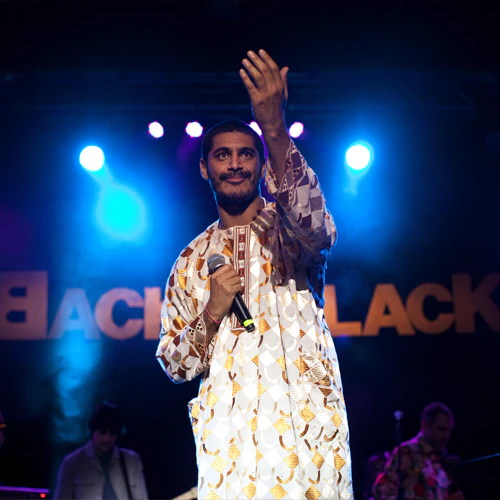
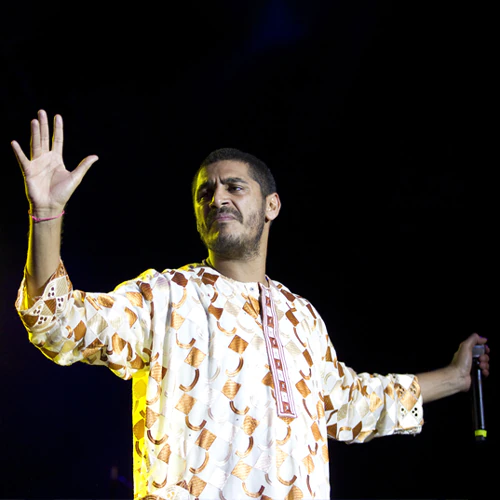
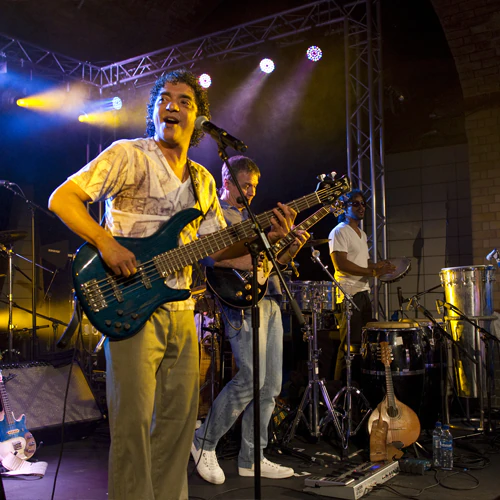
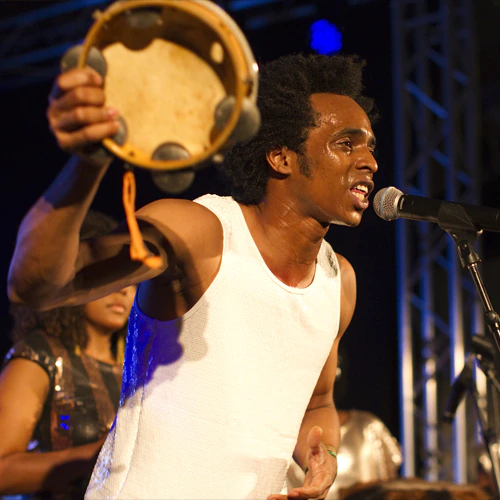
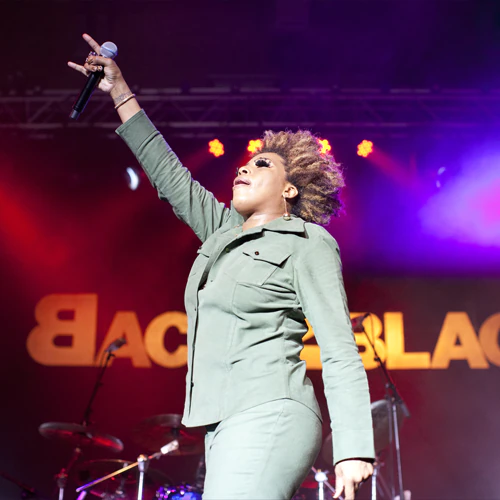
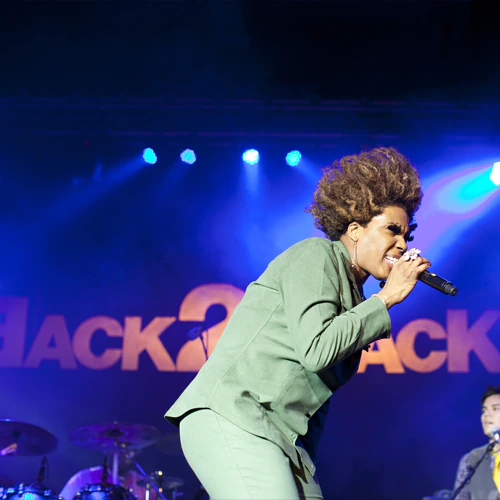
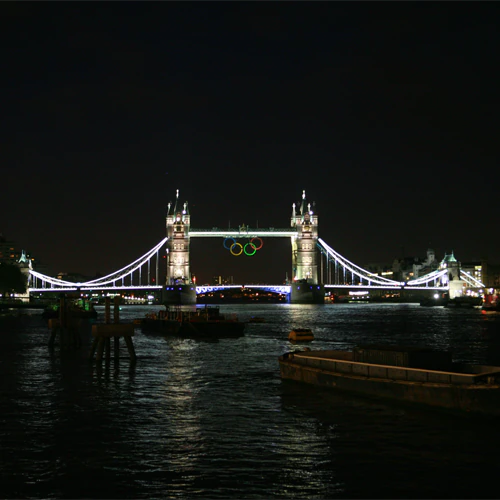
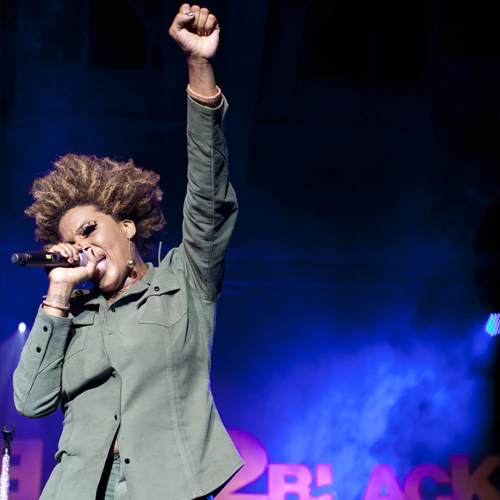
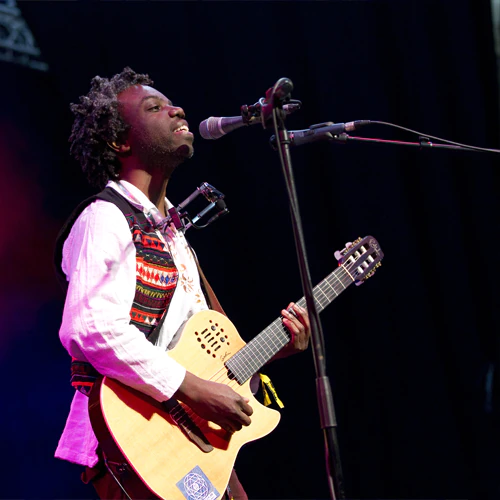
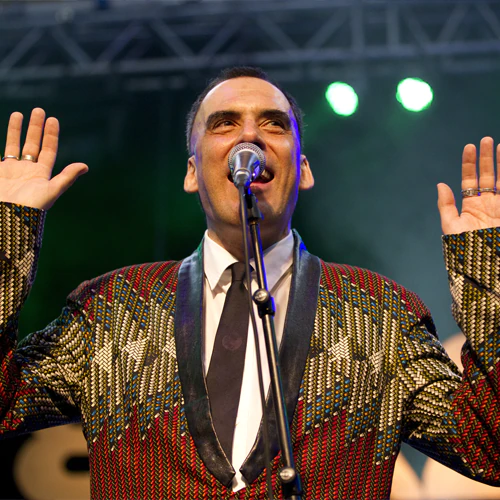
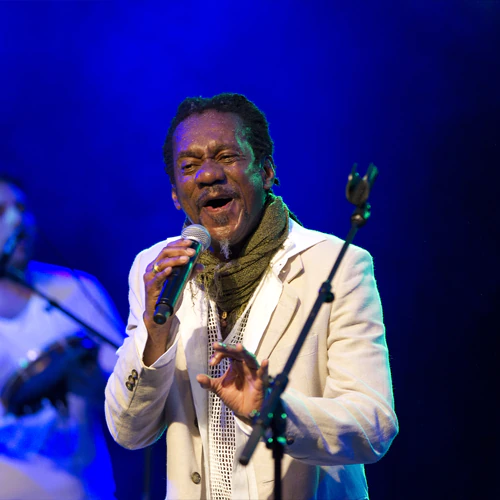
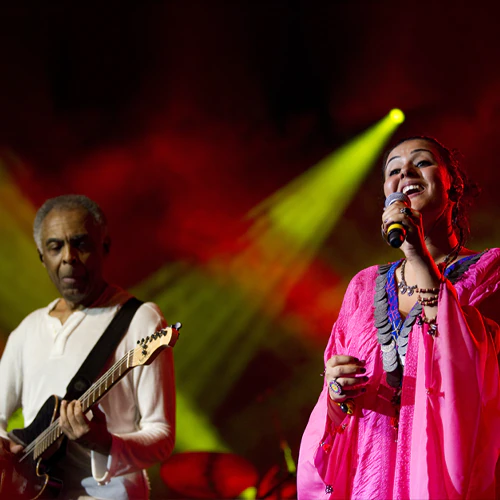
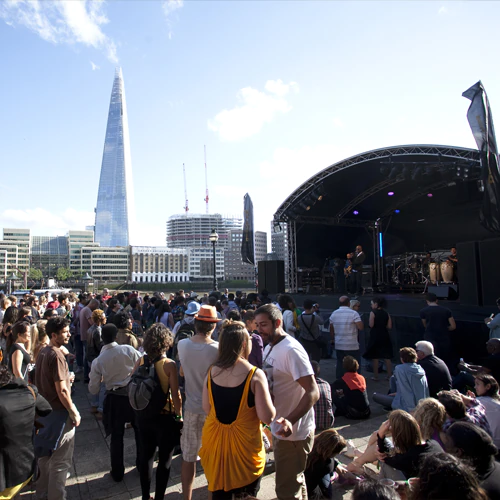
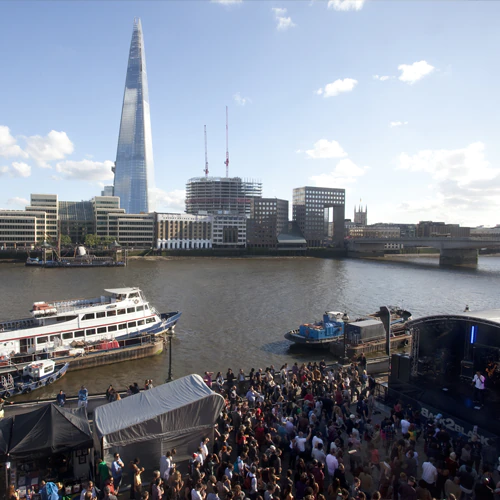
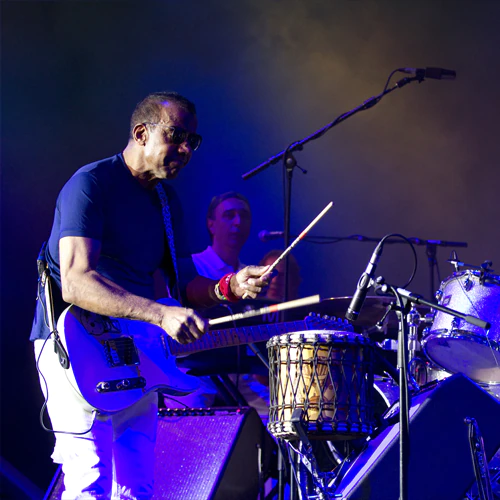
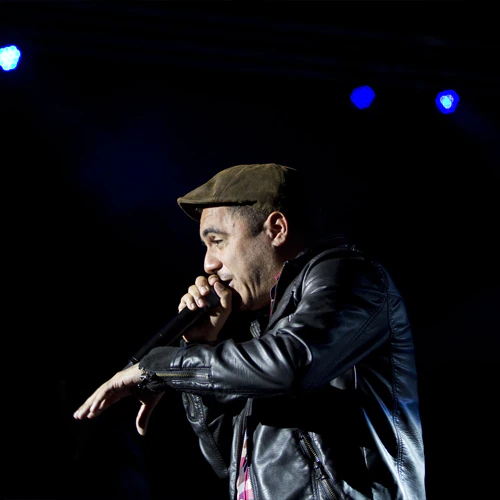
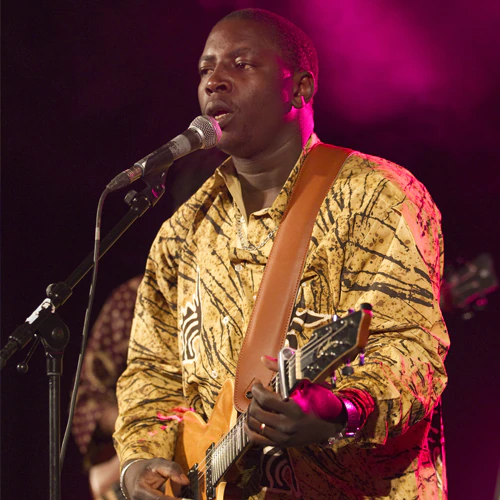
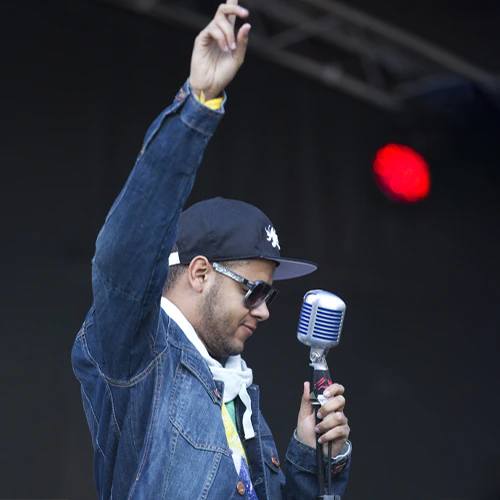
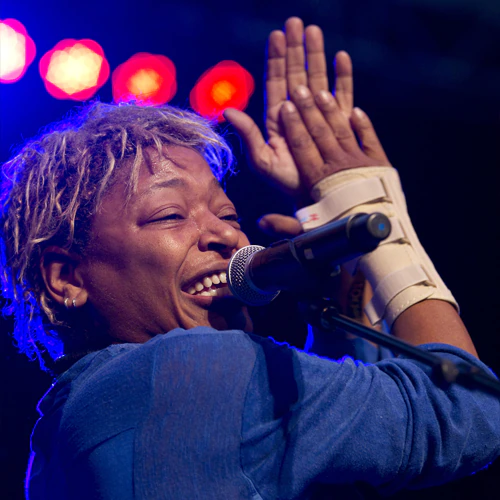
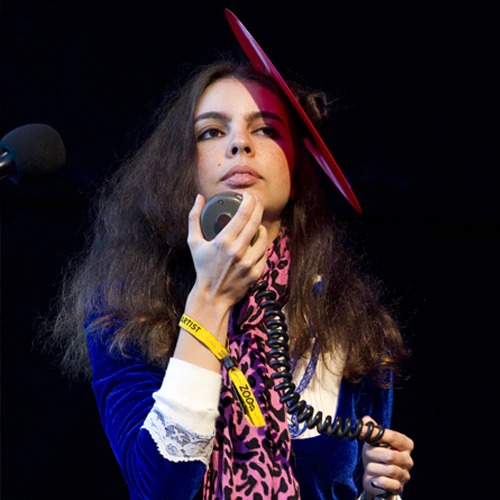
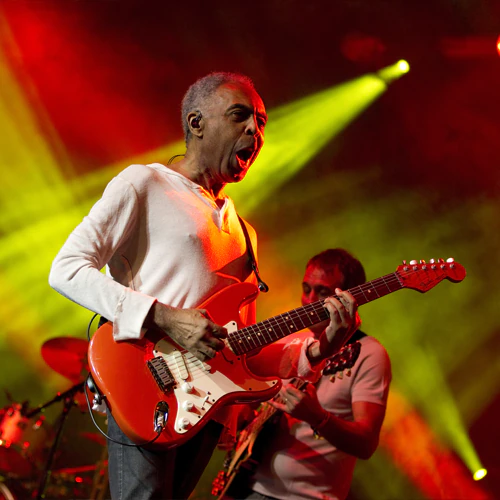
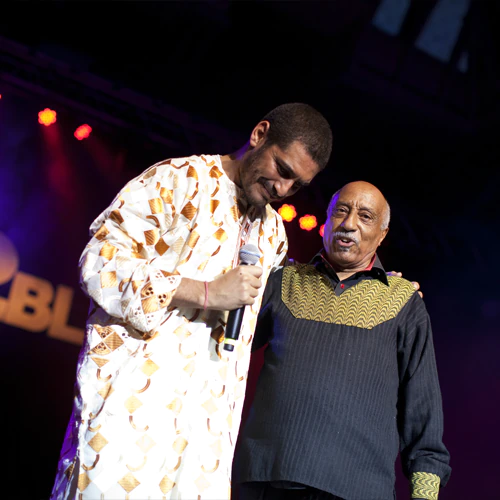
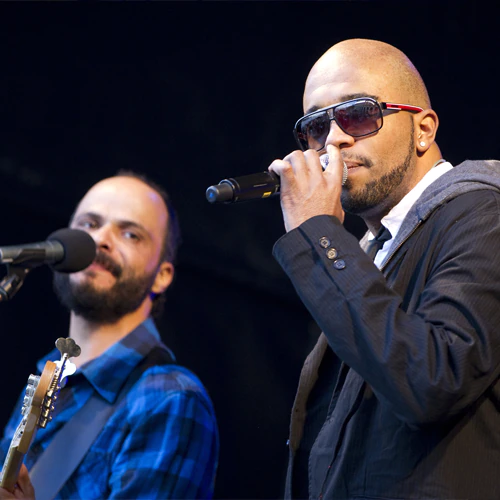
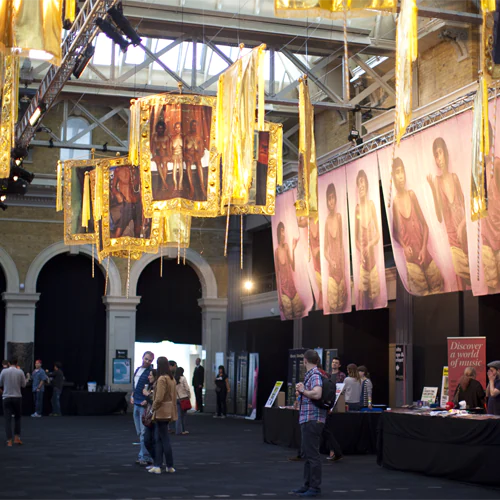
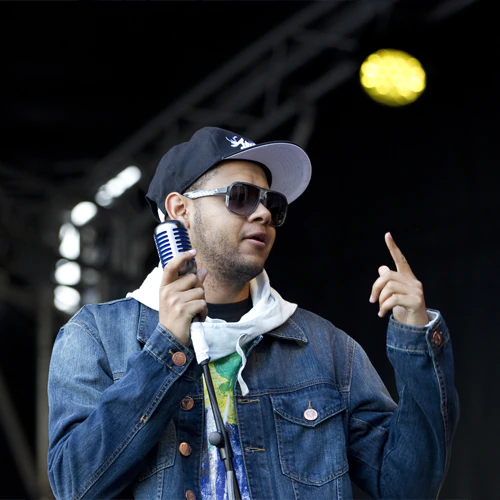
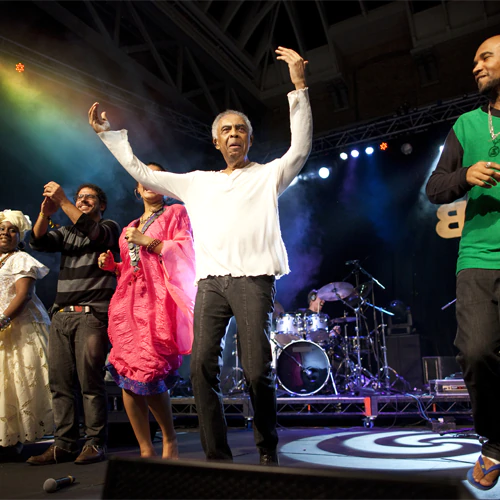
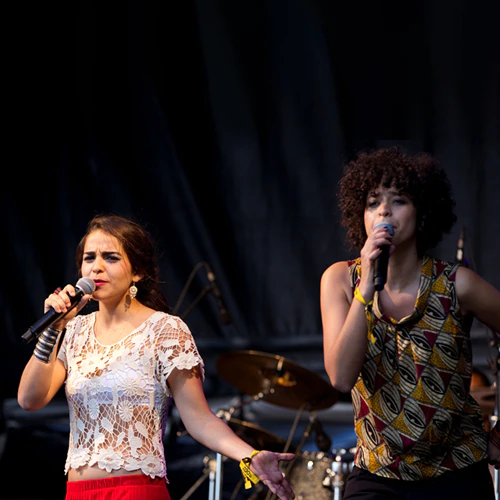
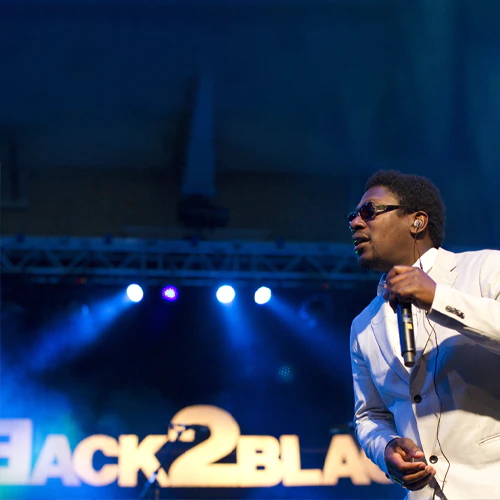
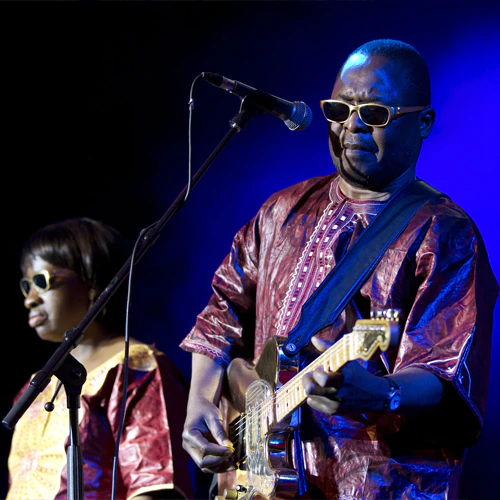
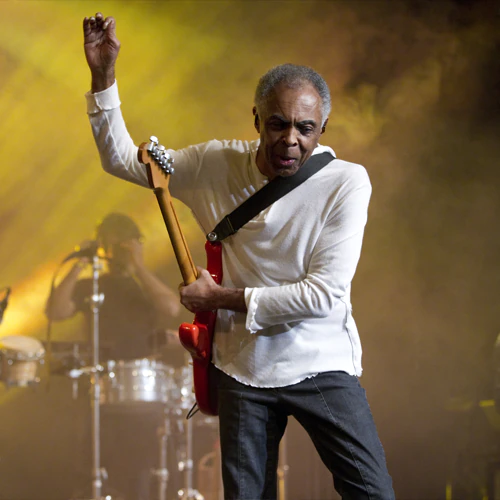
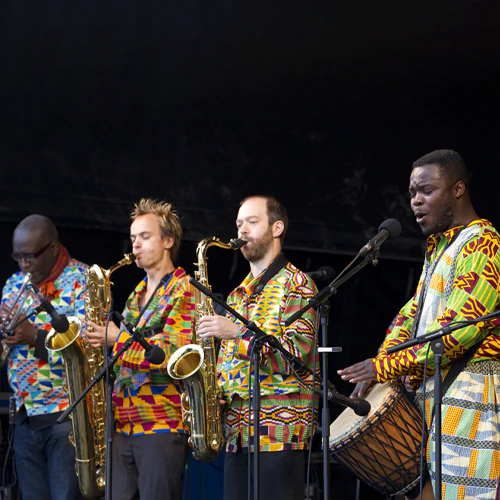
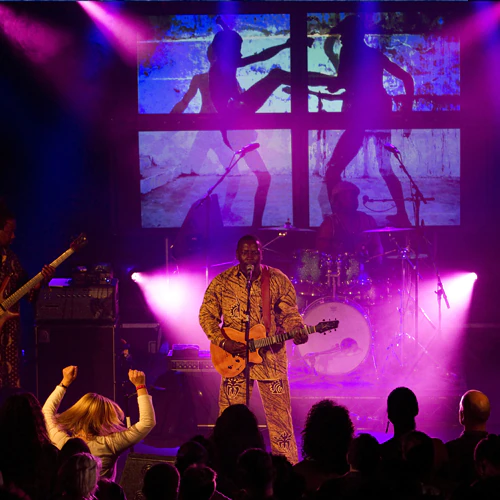
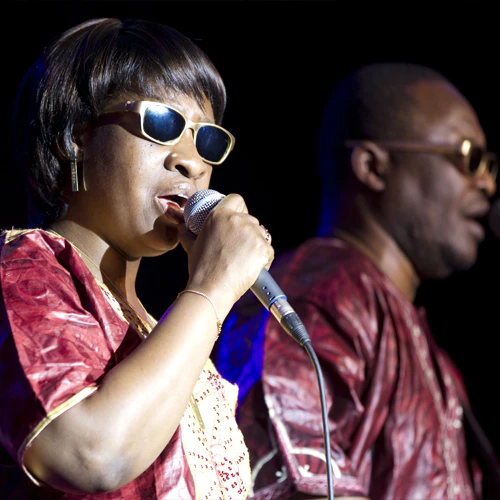
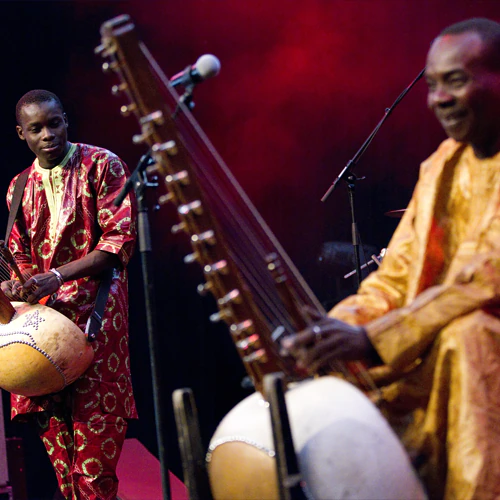
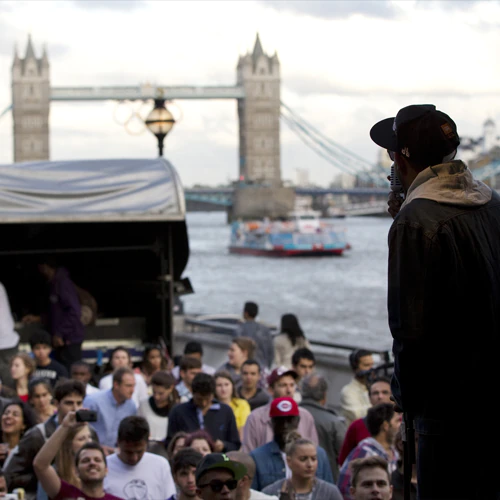
In its fourth consecutive year, the Back2Black Festival introduced a major milestone: its debut in London as part of the cultural program held alongside the 2012 Olympic Games. The UK edition highlighted the connections between the United Kingdom, Africa, and Brazil, and featured an exhibition by renowned photographer Miguel Rio Branco as part of the festival’s scenography. The event took place at Old Billingsgate, a historic building dating from 1850 on the banks of the River Thames.
Across the festival’s three stages, historic performances took place. Artists including Macy Gray, Luiz Melodia, Gilberto Gil, Amadou & Mariam, Marcelo D2, Mart’nália, Roots Manuva, Criolo, Mulatu Astatke, Hugh Masekela, Femi Kuti, Fatoumata Diawara, Toumani Diabaté with Arnaldo Antunes, Linton Kwesi Johnson, Vieux Farka Touré, Lucky Peterson, Dennis Bovell, Emicida, Tono, and Flavio Renegado performed at the festival. The halls of the London landmark also became dance floors led by DJ Sany Pitbull, Passinhos dancers, and MC Fininho.
The talks program featured prominent voices such as Nigerian writer Chimamanda Ngozi Adichie, a special encounter between Gilberto Gil and Hugh Masekela, and Moroccan poet Tahar Ben Jelloun.
2012 - November 23, 24 and 25
Estação da Leopoldina - Rio de Janeiro / Brazil
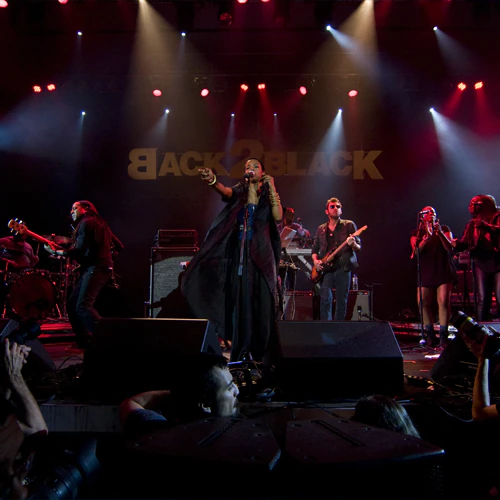
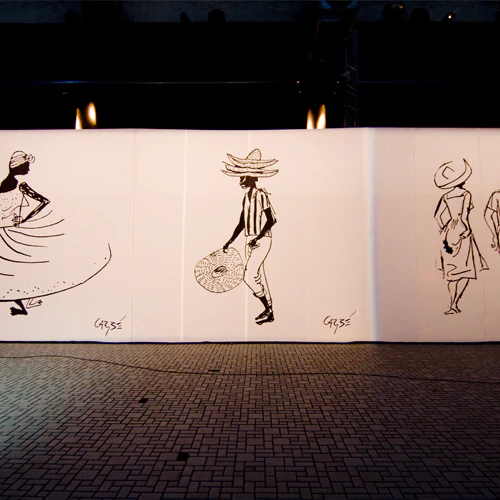
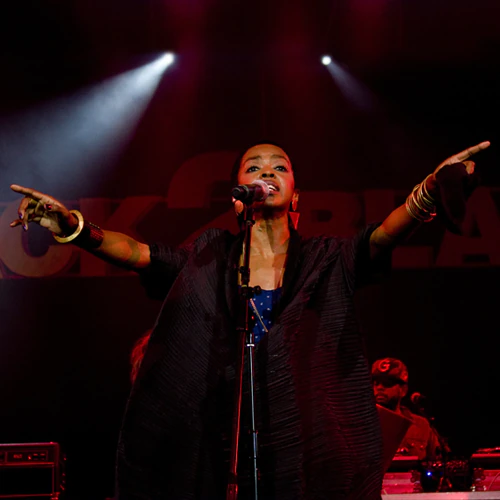
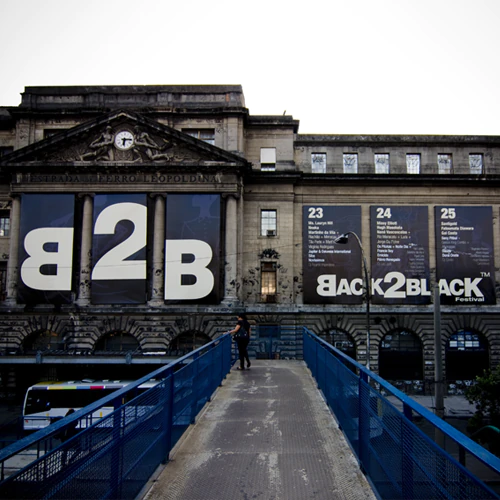
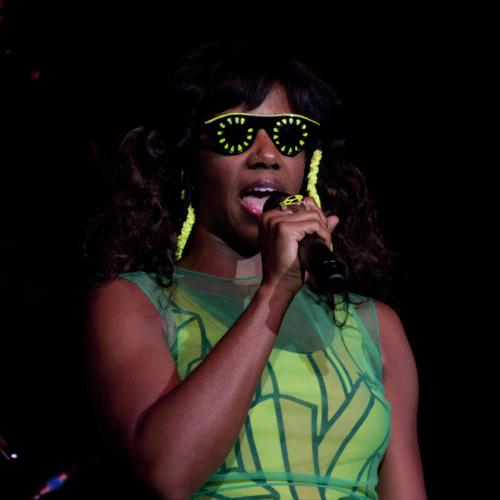
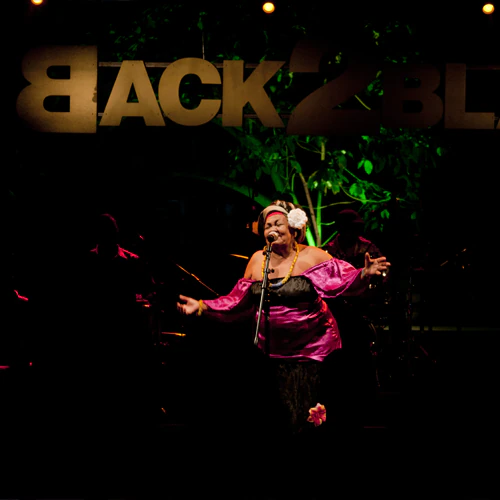
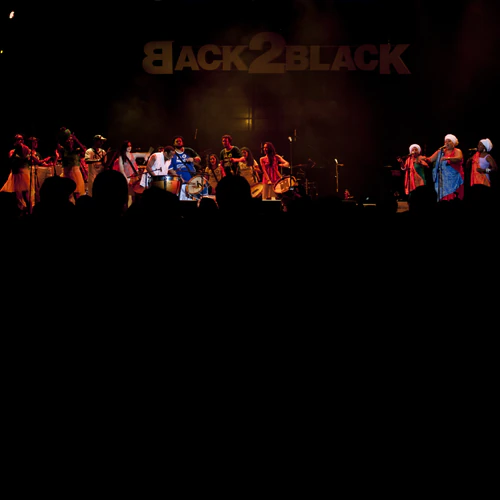
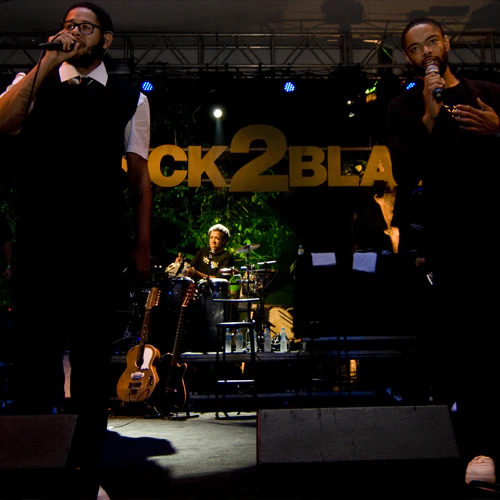
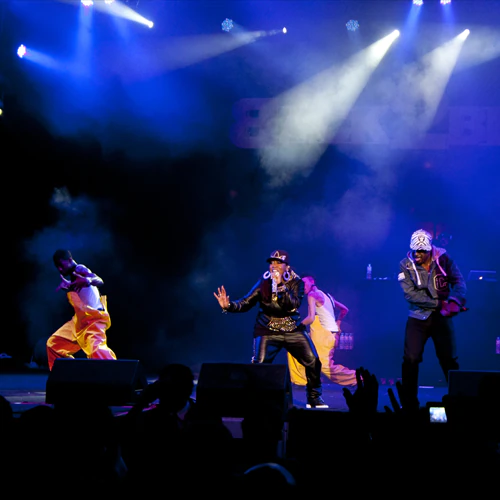
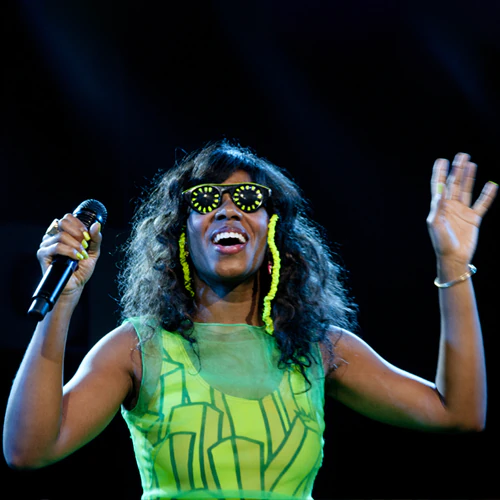
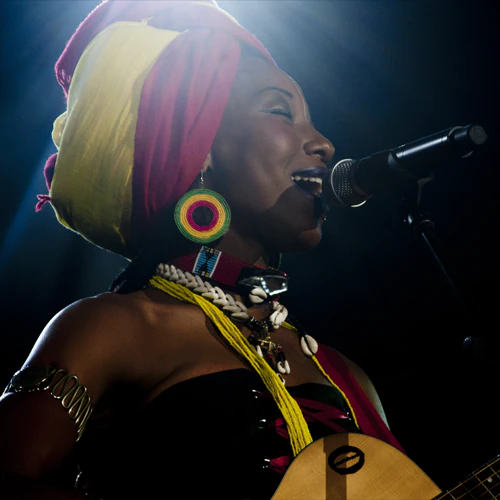
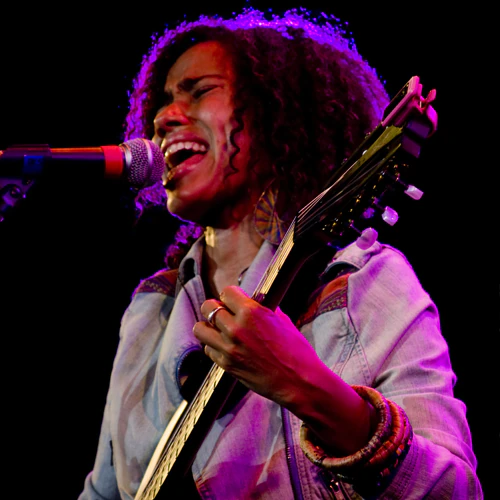
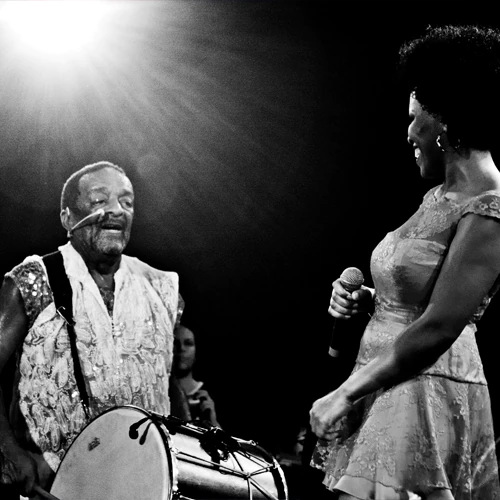
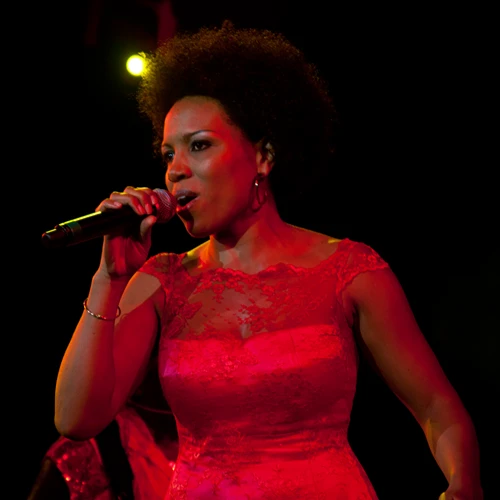
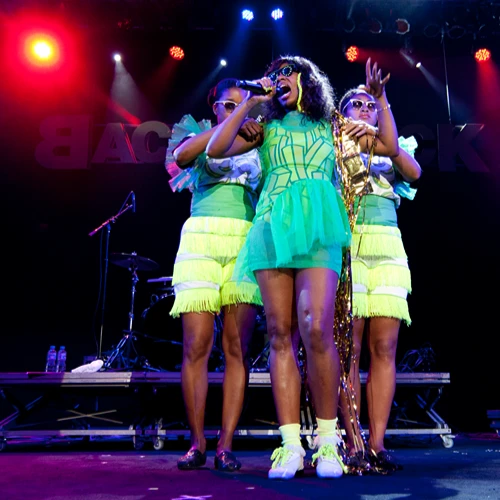
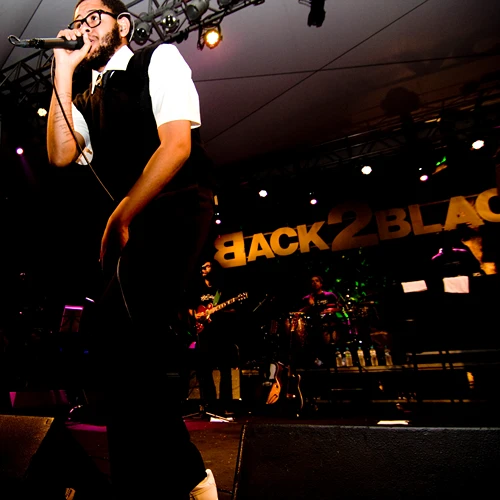
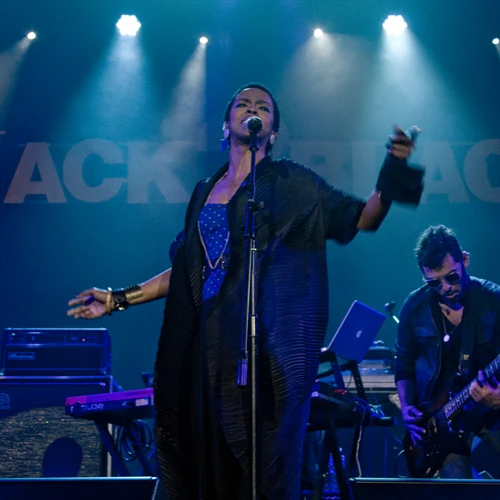
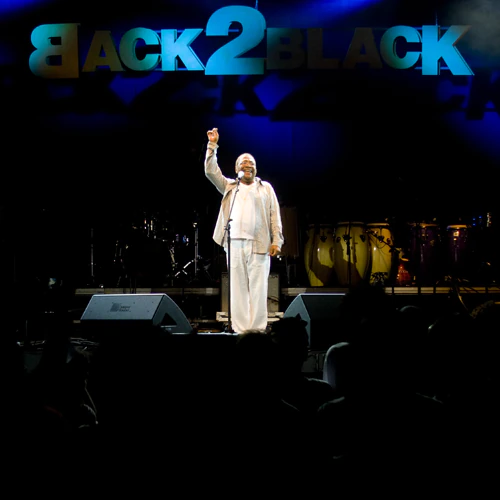
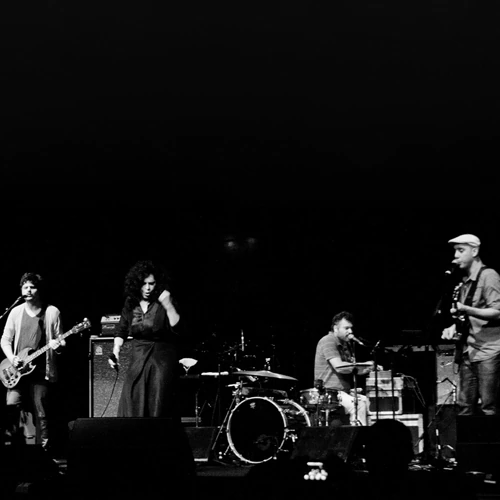
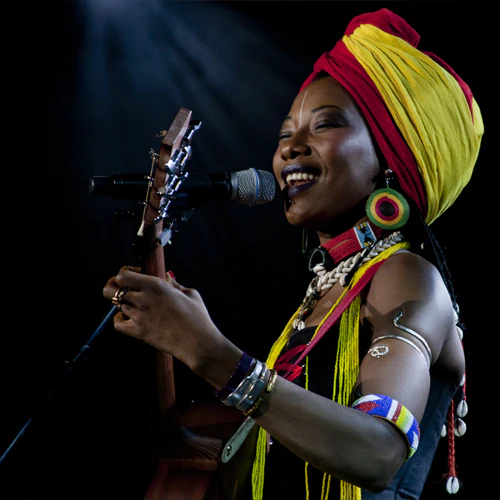
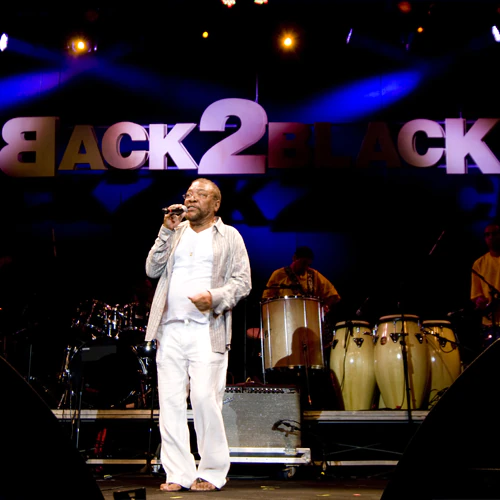
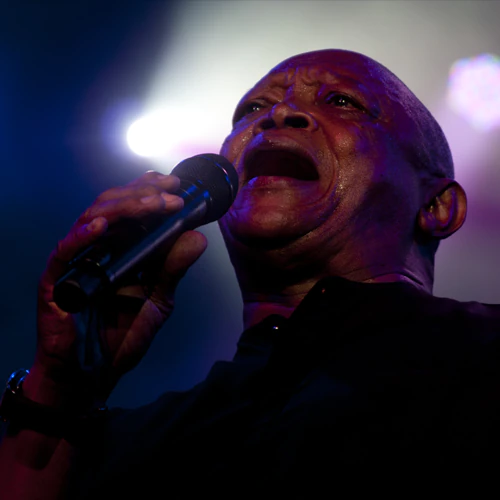
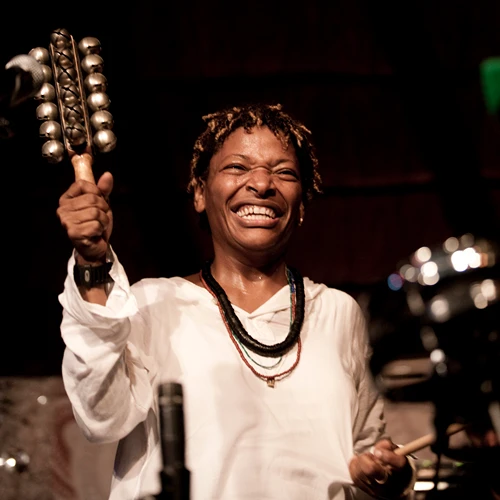
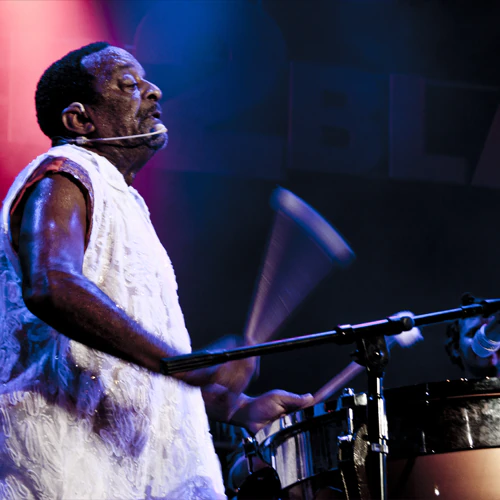
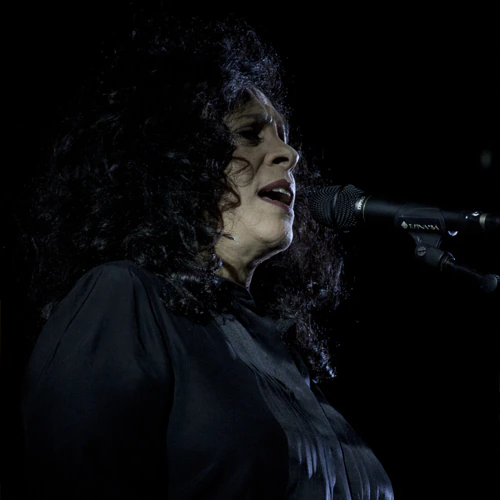
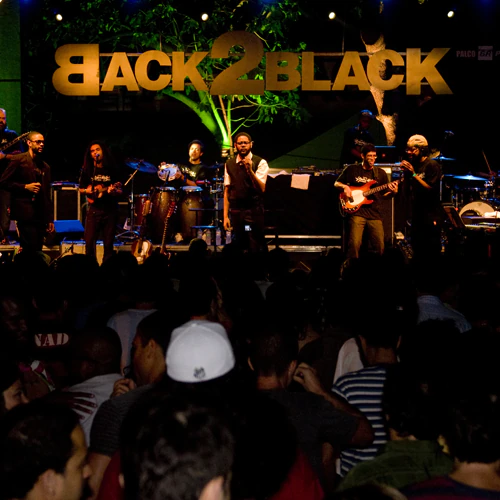
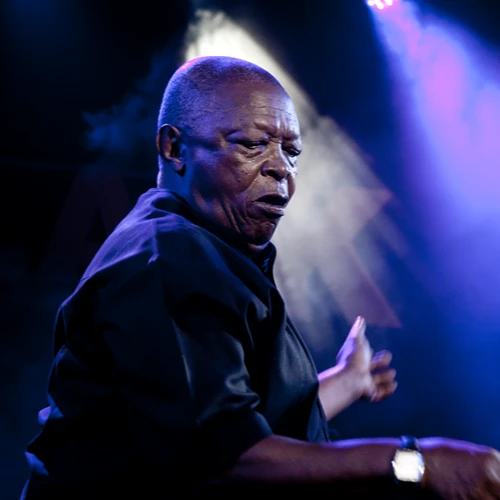
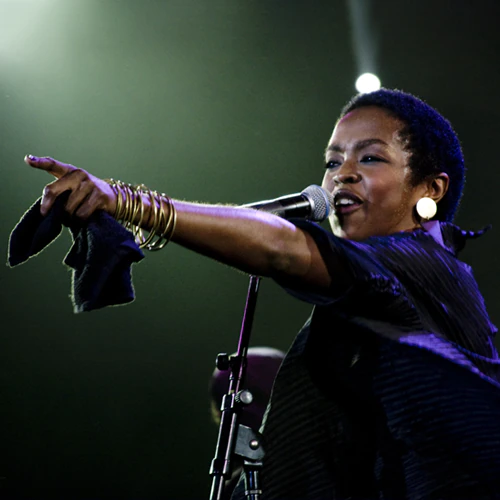
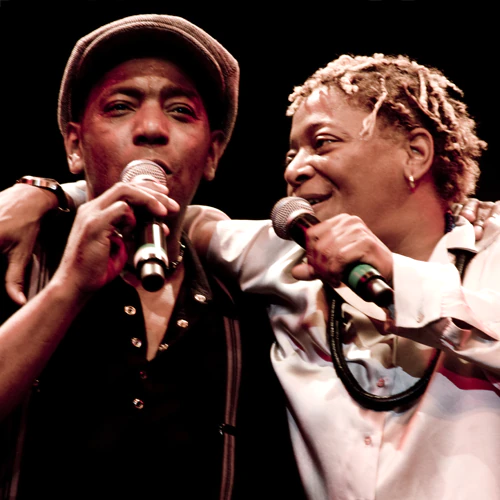
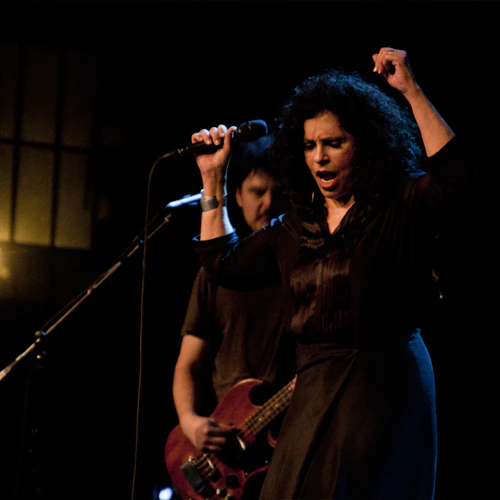
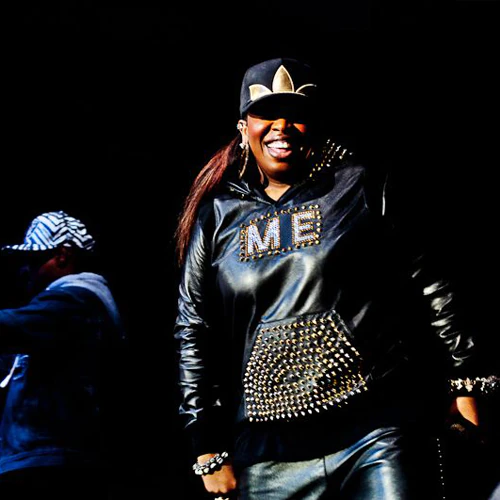
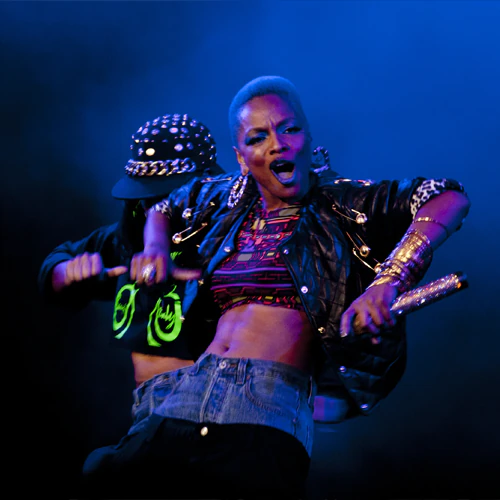
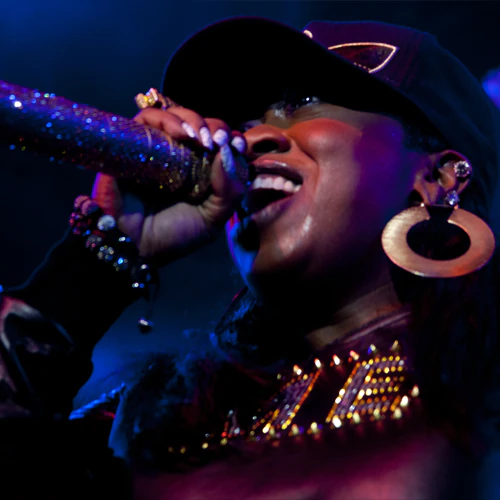
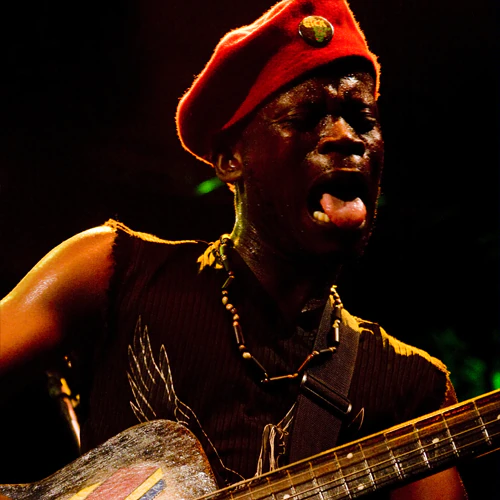
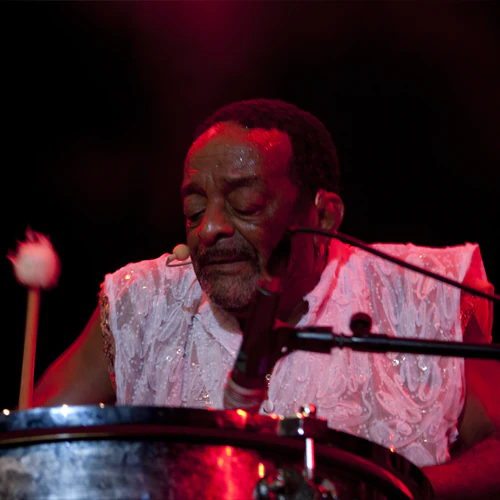
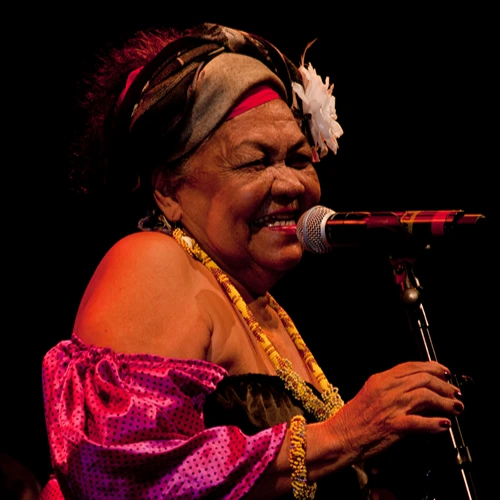
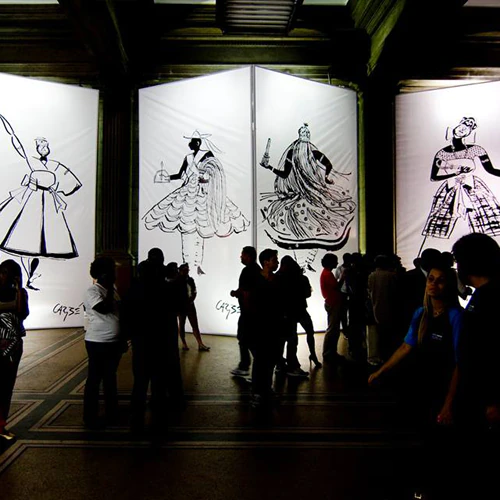
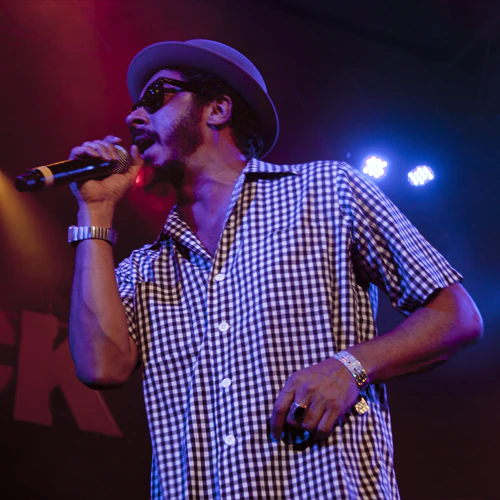
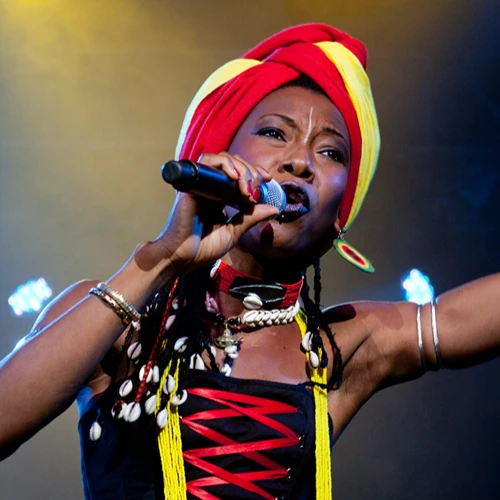
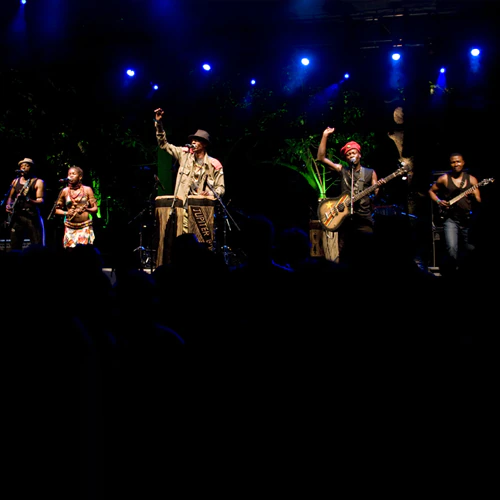
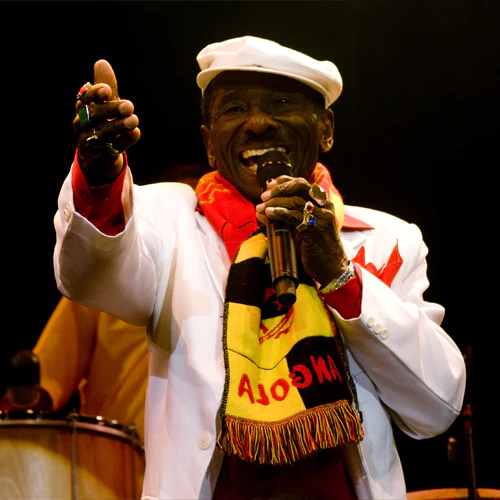
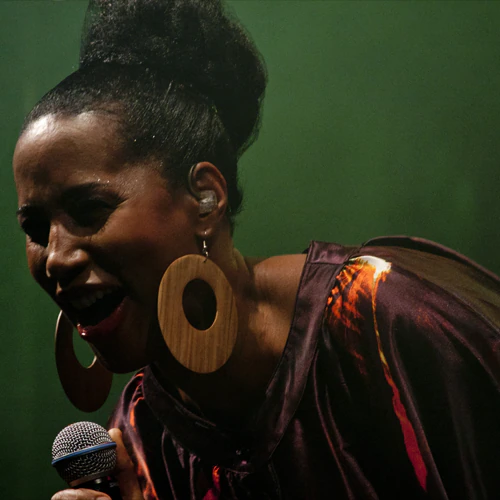
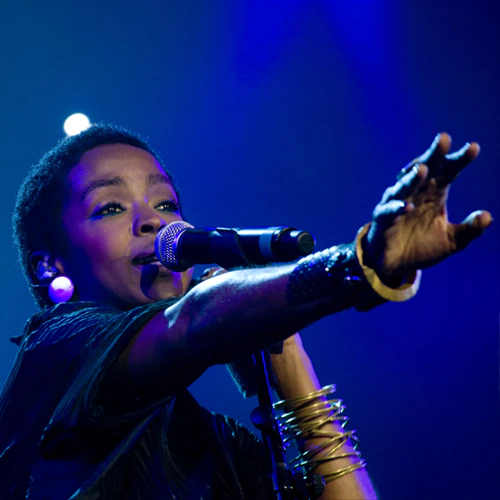
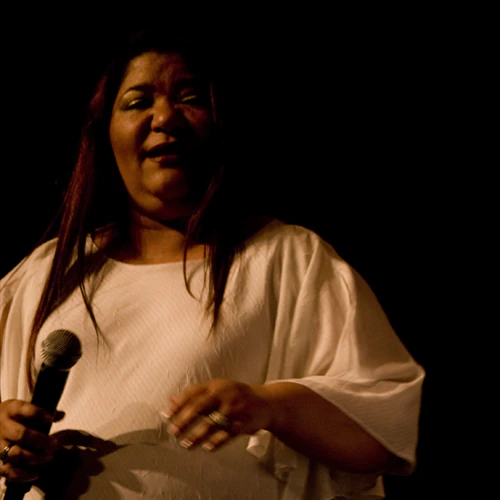
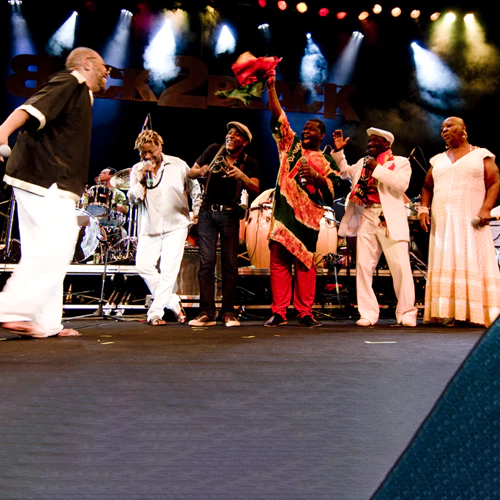
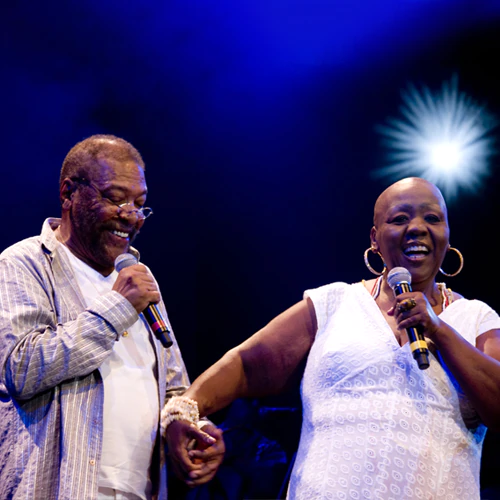
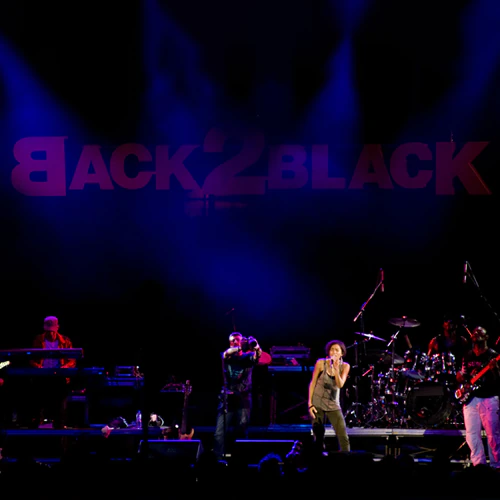
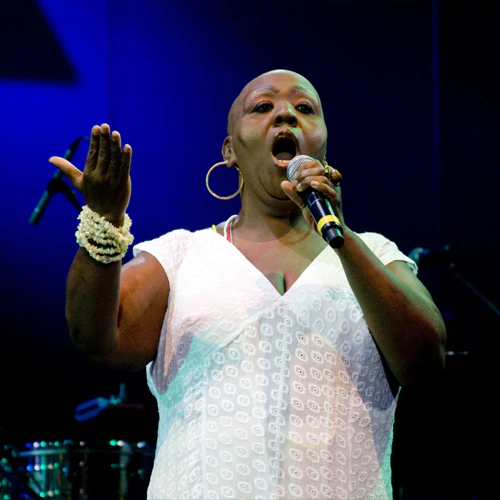
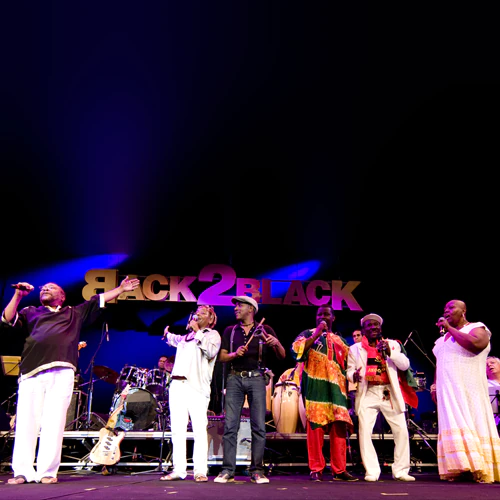
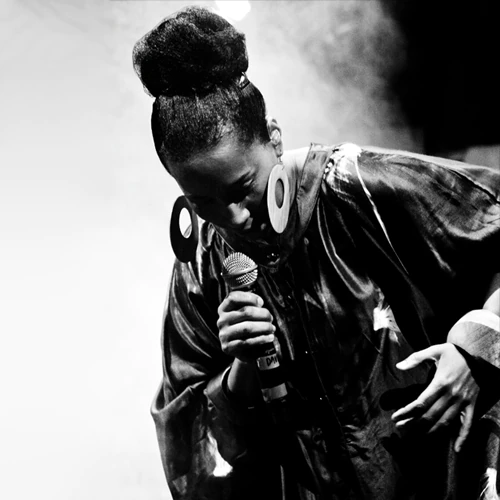
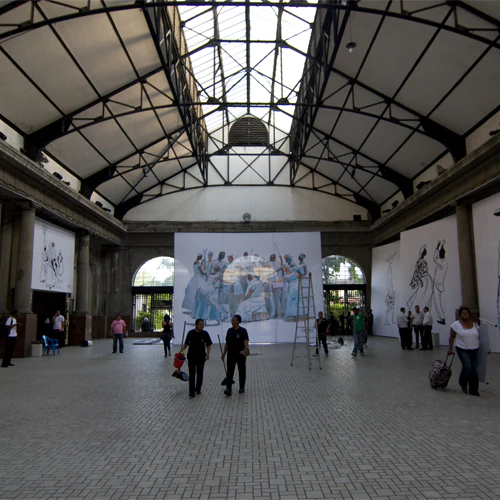
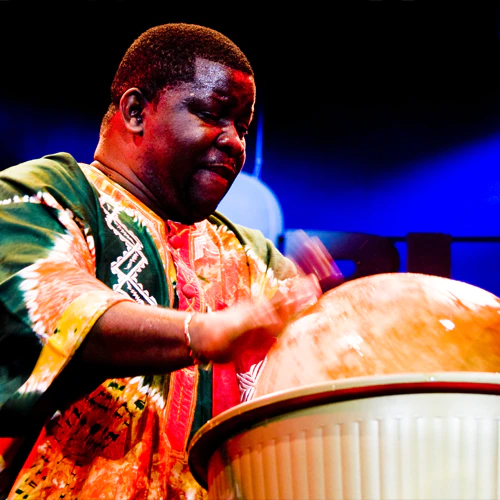
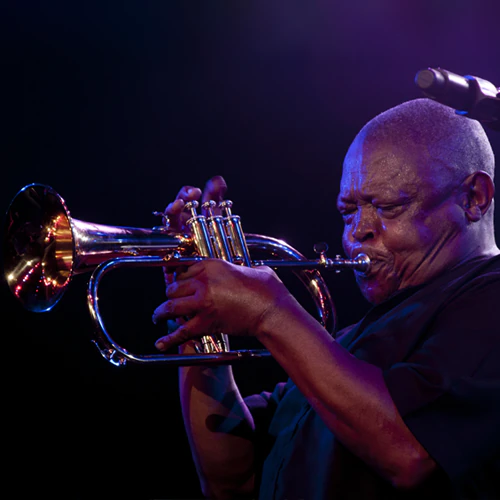
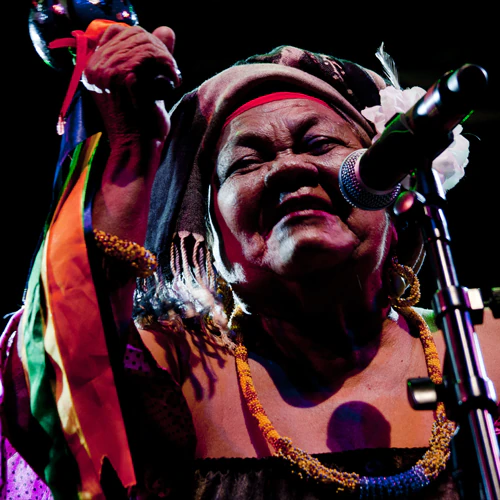
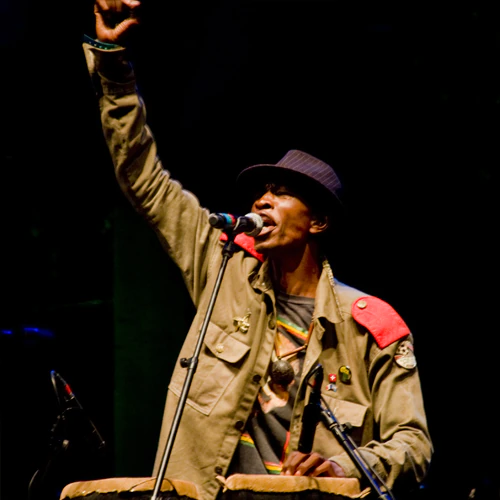
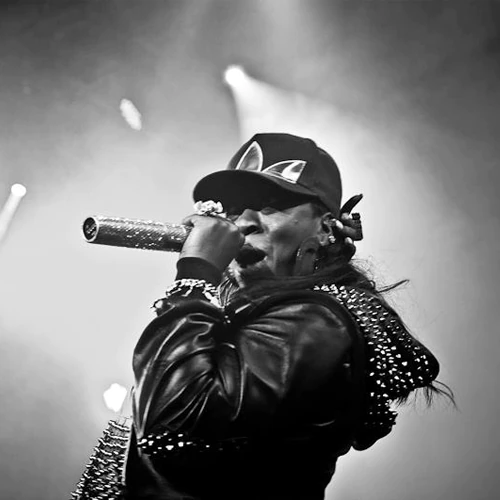
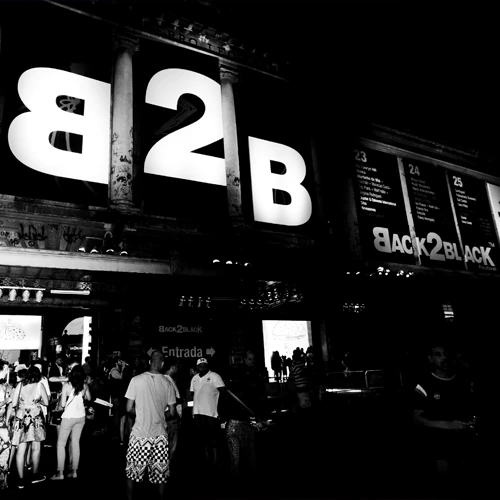
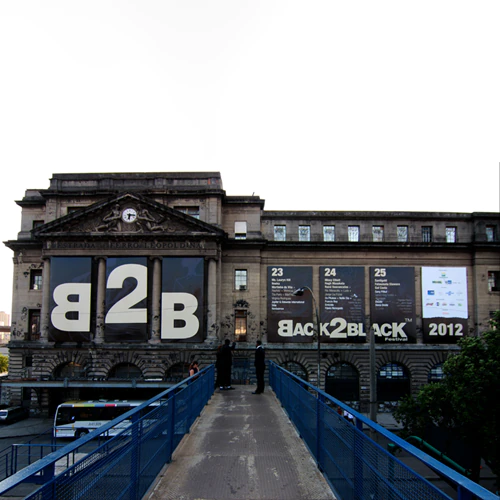
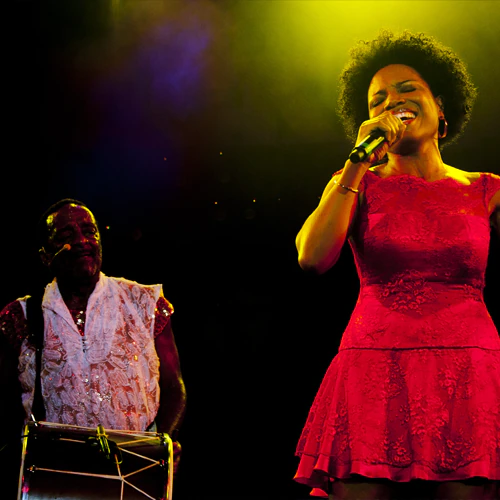
A second edition of the Back2Black Festival also took place in 2012, this time in Brazil. The Brazilian edition featured works by artist Carybé as part of its scenography and hosted memorable conferences, including “The Place of Women in Literature in Africa, Cuba and Brazil”, with Paulina Chiziane, Karla Suárez, and Ana Maria Gonçalves, moderated by Paula Cesarino Costa; “The Origins of Samba and Its Presence in Brazilian Literature”, featuring Nei Lopes, Martinho da Vila, and Paulo Lins, moderated by Vagner Fernandes; and “Africa–Brazil Relations and the Role of Music in the Fight Against Apartheid and Racism”, bringing together Hugh Masekela and Carlos Moore.
In the musical program, highlights included performances by Missy Elliott, Santigold, Lauryn Hill, Hugh Masekela, Gal Costa, Fatoumata Diawara, Naná Vasconcelos, and Martinho da Vila, whose concert featured special appearances by Manecas Costa, Virginia Rodrigues, Tito Paris, Riachão, and Mart’nália.
Additional performances featured Nigerian artist Nneka, Emicida, Siba, Jupiter & Okwess International, Daúde, Flávio Renegado, Dona Onete, and Carimbó dancers. Extending the dance floor late into the night, DJ Sany Pitbull presented the Black & White Soundsystem alongside Gerson King Combo.
2013 - November 15, 16 and 17
Cidade das Artes - Rio de Janeiro / Brazil
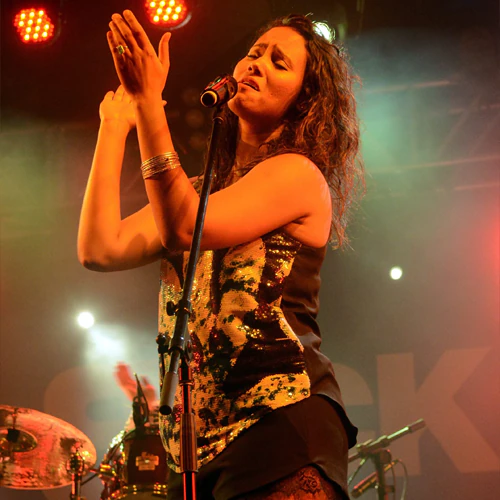
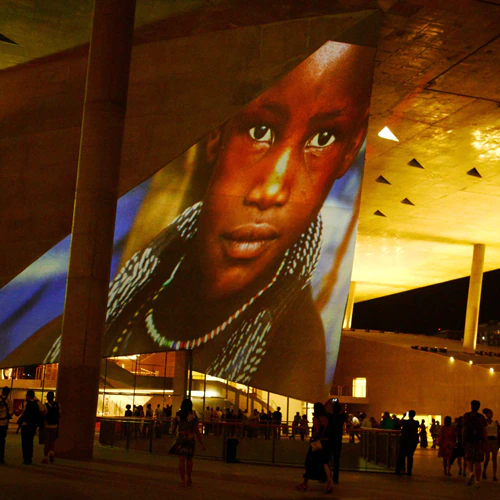
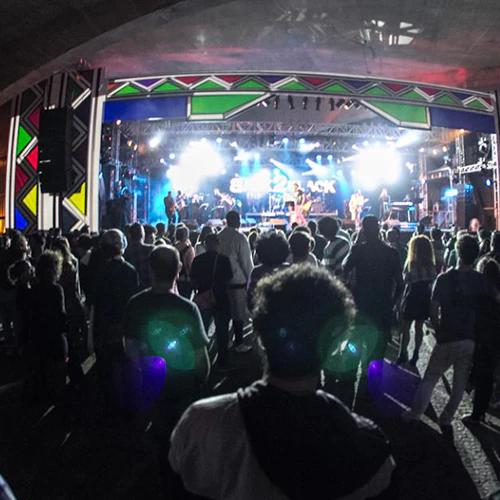
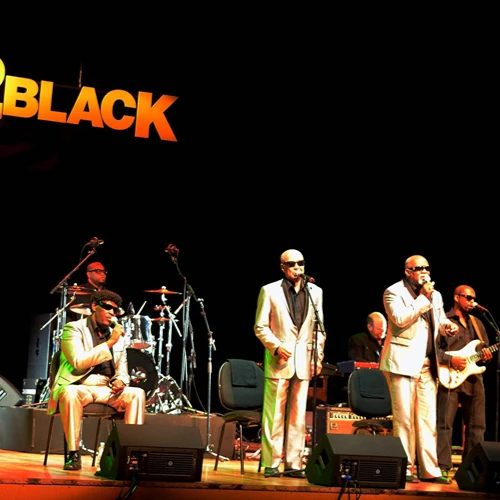
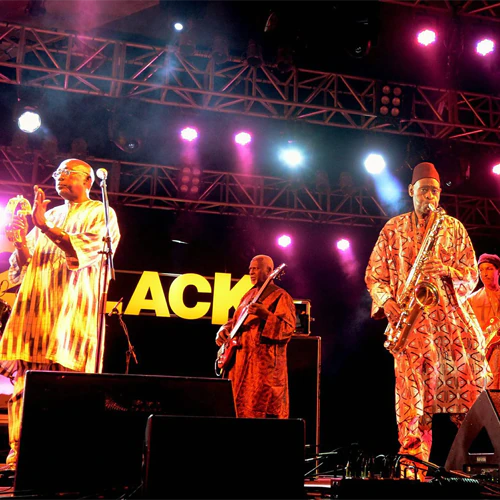
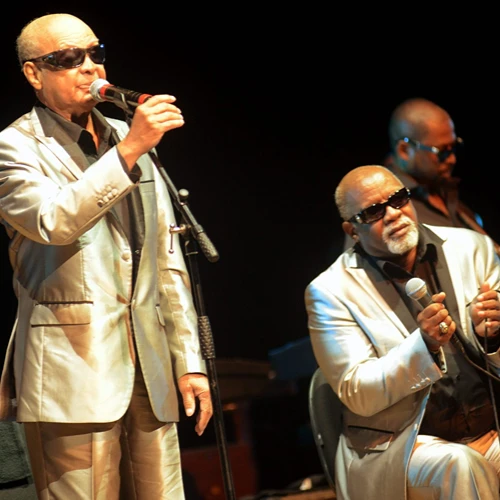
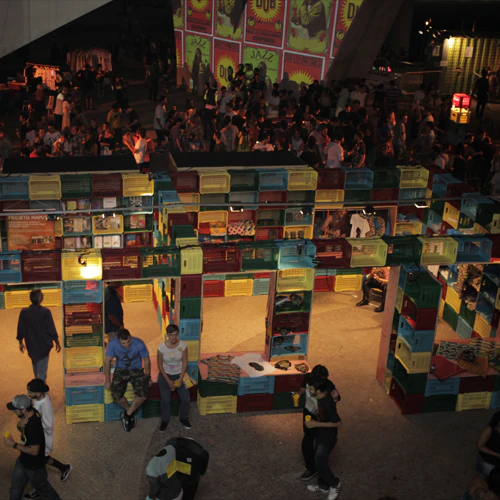
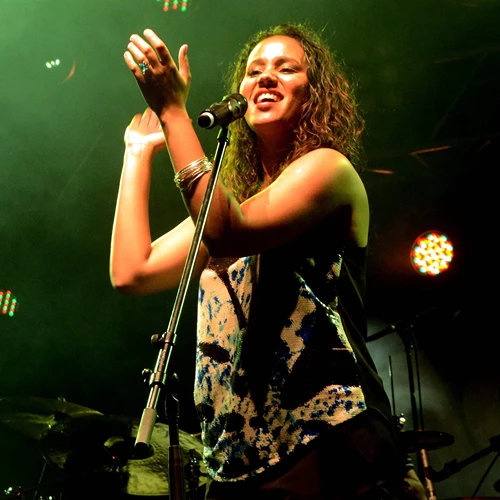
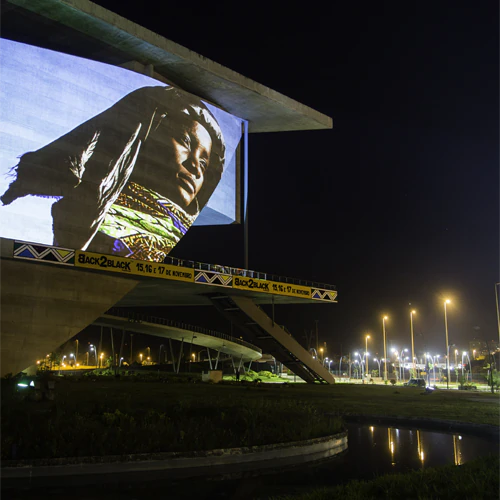
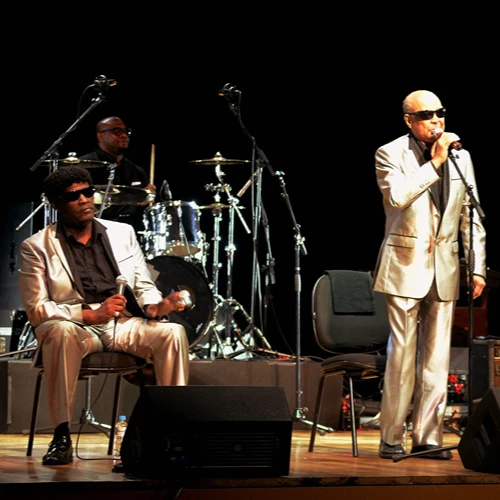
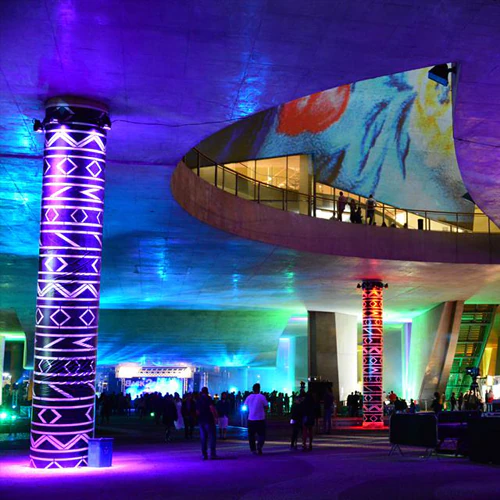
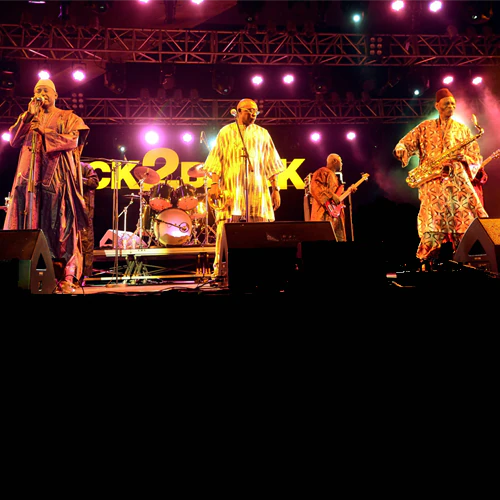
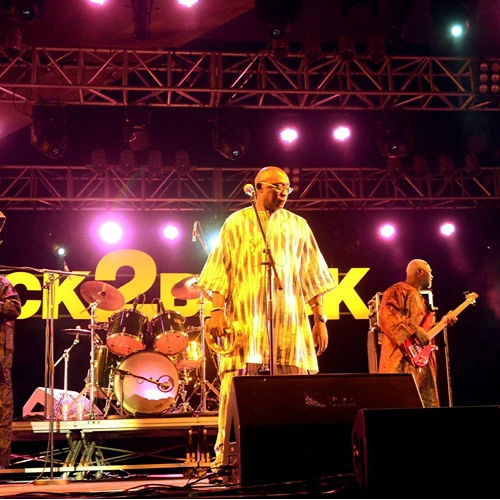
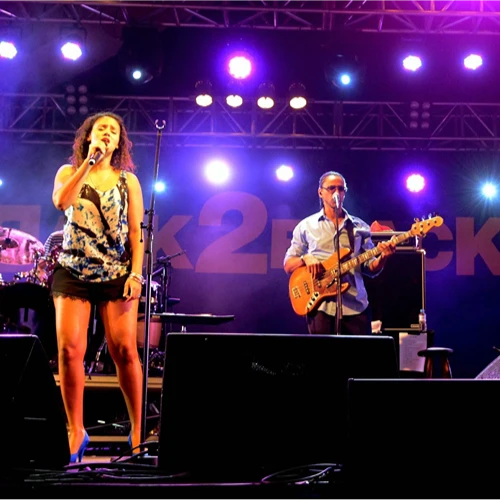
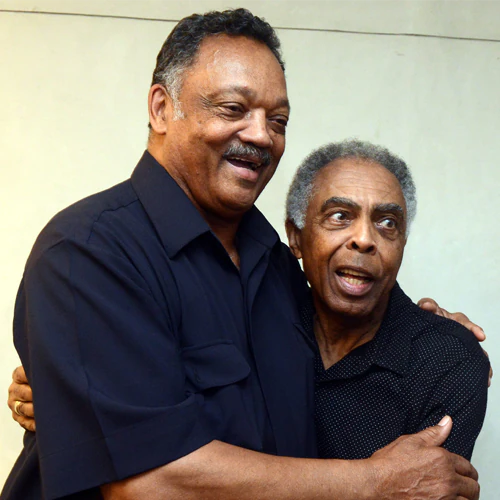
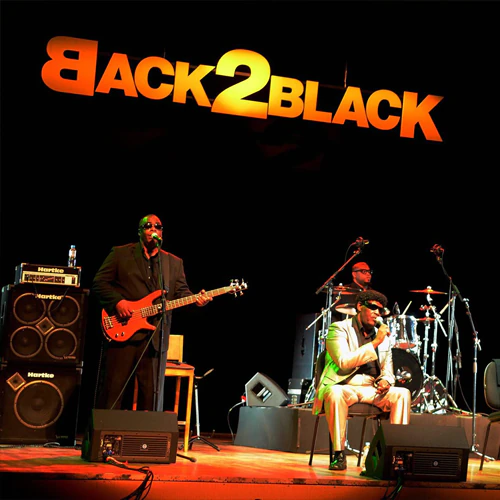
In its sixth edition, the Back2Black Festival debuted at a new venue: Cidade das Artes, in Barra da Tijuca, Rio de Janeiro, featuring four stages. Set against the vibrant Ndebele art presented by African artist Esther Mahlangu, the event hosted a series of insightful conferences:
“Democratization and the Development of Africa”, featuring Reverend Jesse Jackson—one of the central figures of the U.S. Civil Rights Movement alongside Martin Luther King Jr.—and artist Gilberto Gil, moderated by writer José Eduardo Agualusa; “Tradition in the Modern World”, bringing together Esther Mahlangu and Soba Bernardo Mussonde (Mukubal); and “New Afro-Brazilian Dramaturgy”, with Zezé Motta, Guti Fraga (Nós do Morro), and Márcio Meirelles (Bando de Teatro Olodum), moderated by writer Paulo Lins. The program also included the screening of the documentary film “Hereros Angola”, by Sérgio Guerra.
Dozens of concerts and unprecedented musical encounters marked this edition. Highlights included performances by Milton Nascimento, Bobby Womack (USA), Blind Boys of Alabama (USA), Buika (Spain), Keziah Jones (Nigeria), Criolo + Tony Allen (Nigeria), Femi Kuti & The Positive Force, Mayra Andrade (Cape Verde), Orchestra Baobab (Senegal), the unprecedented Celebration of James Brown—featuring Pee Wee Ellis, Banda Black Rio, Arthur Maia, Ed Motta, and Negra Li—Mart’nália in tribute to Vinicius de Moraes, and the Tribute to Miriam Makeba, with special appearances by Gilberto Gil, Ismaël Lô, Aïcha Koné, Zenzi Lee Makeba, Alcione, Ladysmith Black Mambazo, Sayon Bamba, Iyeoka, Buika, Boncana Maiga, Ganhadeiras de Itapoá, Sidiki Diabaté, and Papa Konaté. Musical direction was led by Alê Siqueira and Letieres Leite.
The musical program also featured emerging artists from Brazil and abroad, including Baloji (Congo), Maíra Freitas, Renata Jambeiro (Brazil), Novíssimos, and Natasha Llerena. Dance floors before and after the shows were led by DJ Zédoroque, DJ Tamempi, and Baile Charme with DJs Corello and Don Capuccino.
2015 - March 20 and 21
Cidade das Artes - Rio de Janeiro / Brazil
The 7th edition of the Back2Black Festival was part of the official celebrations of Rio de Janeiro’s 450th anniversary and brought Jamaican music into the spotlight. Under the art direction of Daniela Thomas, with animations and visual projections orchestrated by Jodele Larcher, the festival presented the conferences “Black Presence and the Invention of Rio”, featuring Nei Lopes and Ruy Castro, moderated by Vagner Fernandes; “Kuduro and the Language of the Peripheries”, bringing together Kalaf Angelo and José Eduardo Agualusa; and screened the documentary “I Love Kuduro”, directed by Mario Patrocinio.
The musical program featured performances by Angélique Kidjo (Benin), Linton Kwesi Johnson + Dennis Bovell Dub Band (Jamaica/Barbados), Damian “Jr. Gong” Marley (Jamaica), Planet Hemp, Stromae (Belgium), Lenine + Letieres Leite and Orkestra Rumpilezz, Ludmilla, Karol Conká, and Dughettu.
One of the most moving moments of the festival was a tribute to Rio de Janeiro and its Black composers, bringing together an exceptional ensemble to celebrate the 450th anniversary of the Marvelous City: Alcione, Fernanda Abreu, Mart’nália, Xande de Pilares, Gabriel Moura, and Portuguese fado singer Raquel Tavares. The evening concluded with a heartfelt homage to arranger Lincoln Olivetti.
African dance also took center stage in this edition, with performances of Kuduro and Marrabenta—music and dance styles from Angola and Mozambique, respectively. Mozambican artists Mingas, Wazimbo, and Moreira Chonguiça captivated the audience with their Marrabenta performances.
2016 - November 19
Cidade das Artes - Rio de Janeiro / Brazil
The 8th edition of the Back2Black Festival featured international icon Grace Jones and the highly anticipated performance by BaianaSystem. The curatorship brought together new voices of Black Brazilian music for a special talk and showcase: the conference “Culture and Black Empowerment” and the performance “Nós por Nós” (Us by Us), directed by Rafael Dragaud with musical direction by Rafael Mike, featuring guest appearances by Daúde, Lellêzinha (Dream Team do Passinho), Deize Tigrona, Tássia Reis, Rico Dalassam, and MC Linn da Quebrada.
The night concluded with the BATEKOO party at Cidade das Artes, which also hosted the “Battle of the Barbers”, where a team of professionals offered haircuts and braiding to the audience
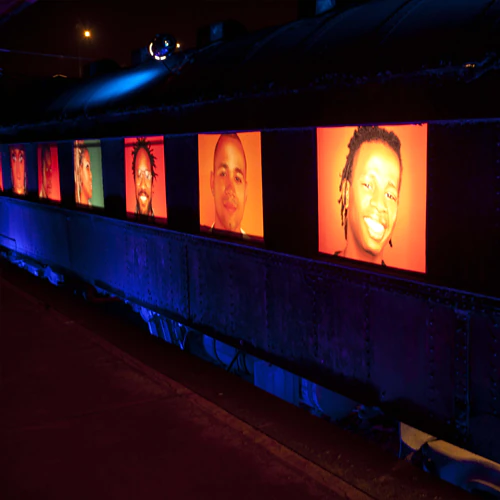
Art Director Rico Lins created a visual retrospective for the scenography using photographs of artists who had performed at the festival, shot by João Wainer and visually reworked by Ricco, inspired by Andy Warhol’s iconic portrait of Grace Jones.
2018 - May 25
Theatro Municipal do Rio de Janeiro - Rio de Janeiro / Brazil
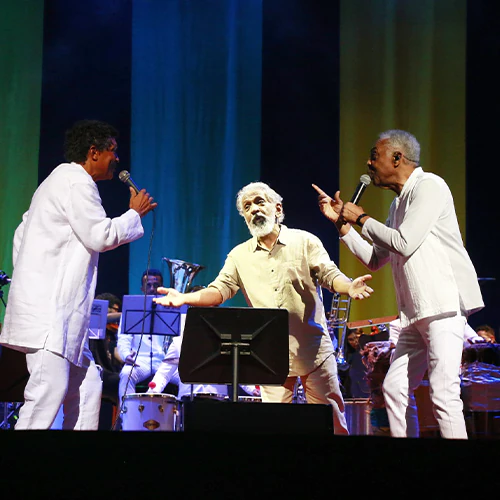
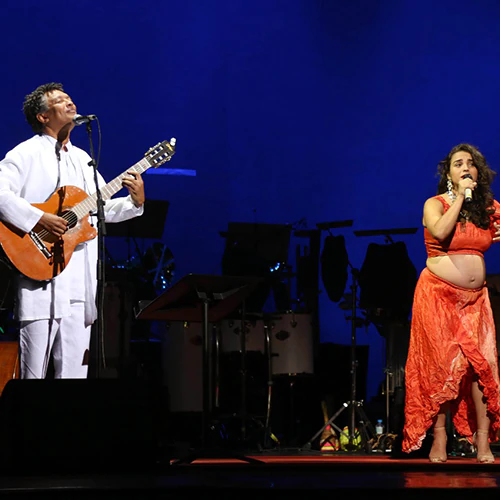
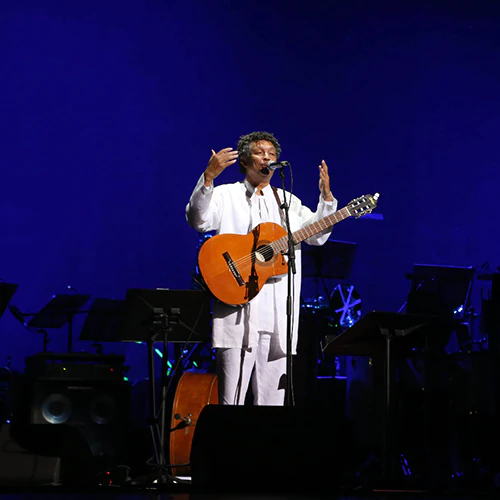
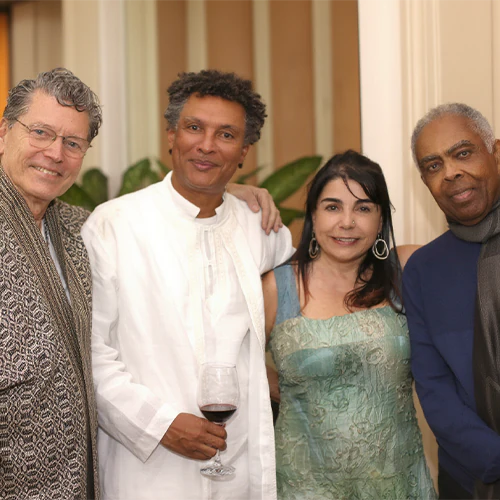
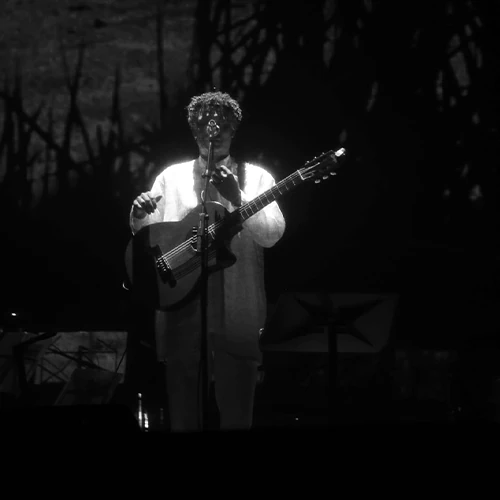
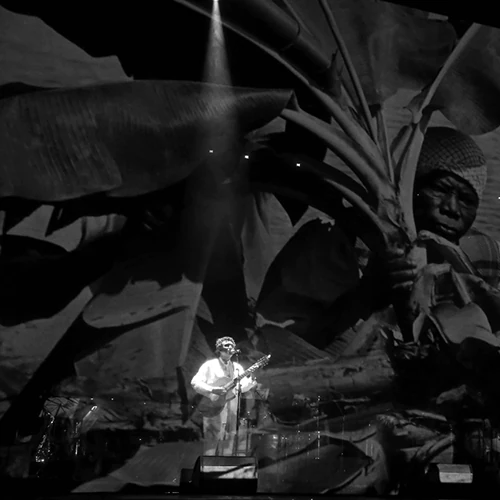
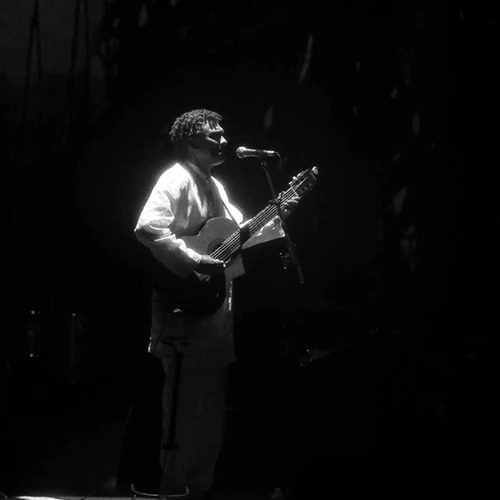
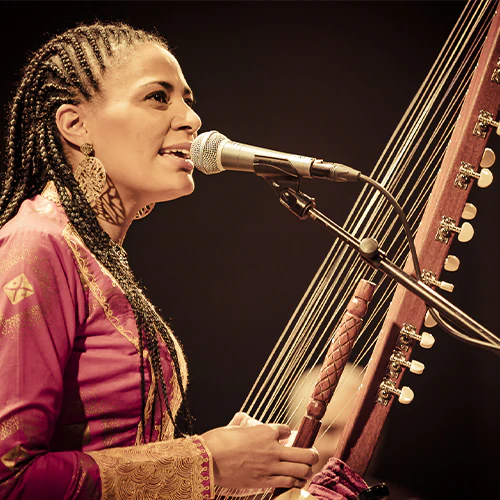
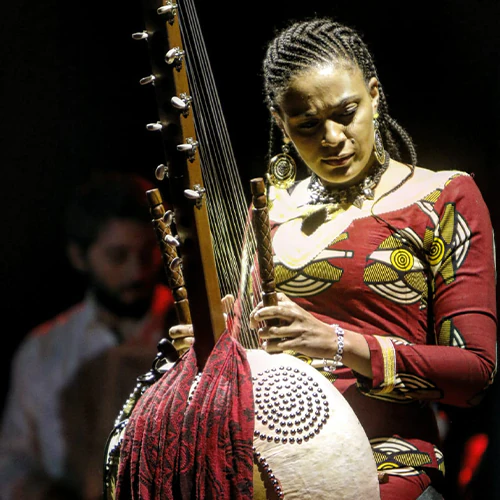
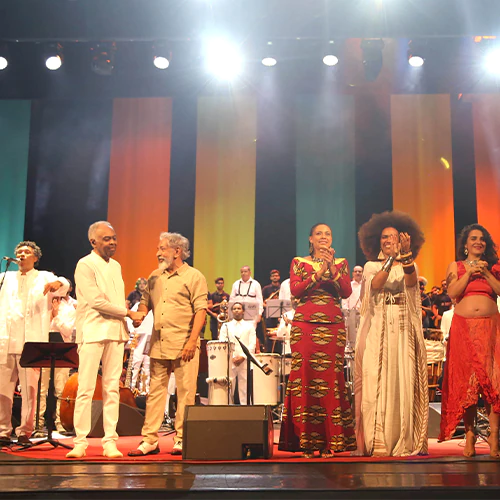
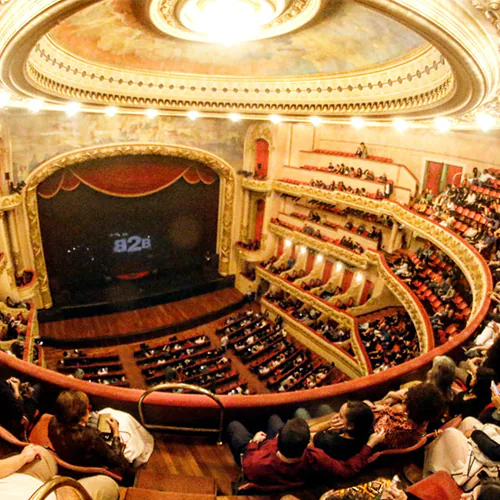
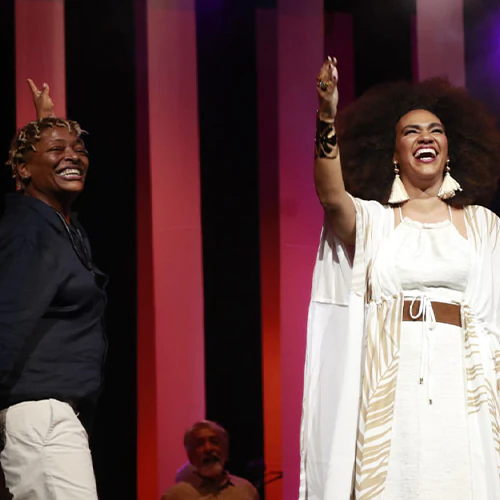
The first Brazilian celebration of Africa Day, the “Back2Black in Concert” edition highlighted the diversity of Black music in a performance led by Cape Verdean singer, songwriter, and writer Mário Lúcio, alongside Bahian conductor, composer, instrumentalist, and researcher Letieres Leite. The musicians welcomed special guests such as Gilberto Gil, Mariene de Castro, Mart’nália, Natasha Llerena, and kora singer and player Sona Jobarteh (United Kingdom/Gambia). Bassist Alberto Continentino and Bahian percussionists Luizinho do Jêje and Kainã do Jêje completed the ensemble for the evening.
“Africa has a day on the universal calendar, May 25, designated in its honor by the United Nations. This date is a tribute to the victims of slavery and to the struggle against apartheid, colonialism, and exploitation,” said Mário Lúcio in an interview with O Globo at the time. “In Brazil, through Back2Black—pioneers in bringing the world together to celebrate Africa—this day is evoked for the first time with the scale and visibility that Africa deserves. By celebrating, we practice gratitude, fight against forgetting, and challenge injustices,” added Connie Lopes, director and founder of the festival.
2019 - November 23
Armazém da Utopia - Rio de Janeiro / RJ
The 10th anniversary edition of the Back2Black Festival took place at a new venue, Armazém da Utopia, in the Gamboa district of Rio de Janeiro’s port area, with art direction by Ernesto Netto and visual artworks by Congolese artist Serge Makanzu Kiala.
American singer and songwriter Erykah Badu—one of the festival’s stars in its second edition—returned for this celebratory night, which also featured performances by Bahian artist Luedji Luna alongside Mozambican singer Selma Uamusse, and by Luso-Mozambican rapper Plutonio, with special appearances by Xamã, Malía, and then rising prodigy Cacá Magalhães.
The program also included special interventions by actress Dira Paes, who read texts about the African baobab myth as the Tree of Life, and by ciranda singer Lia de Itamaracá, who delivered musical performances during the intervals between concerts.
2023 - May 25, 26 and 27
Armazém da Utopia - Rio de Janeiro / Brazil
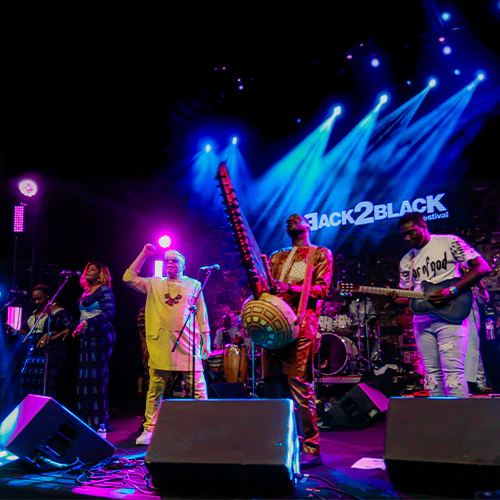
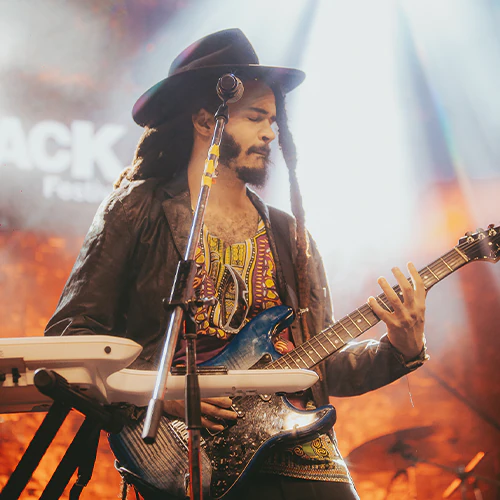
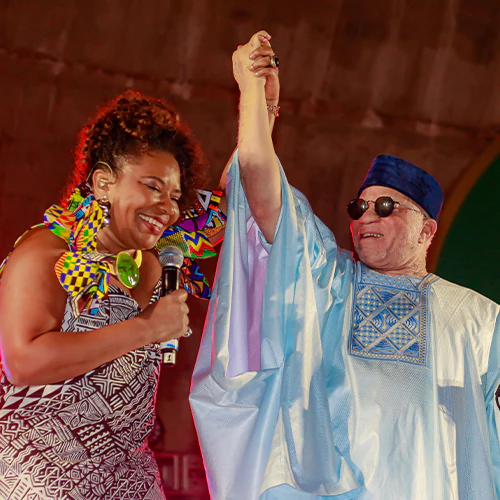
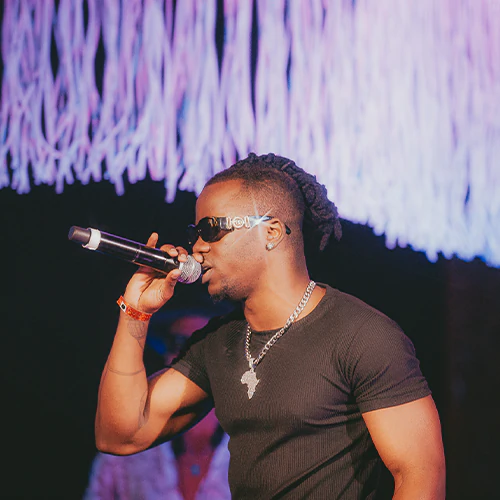
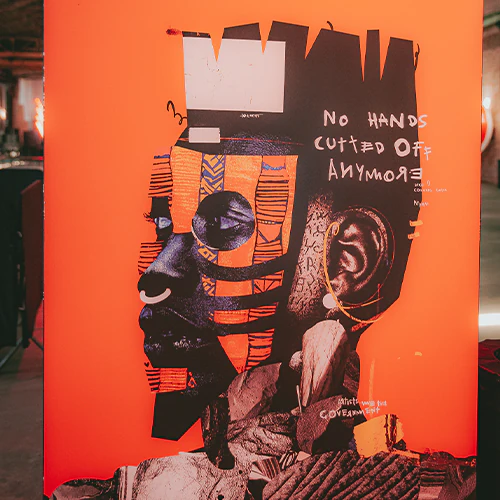
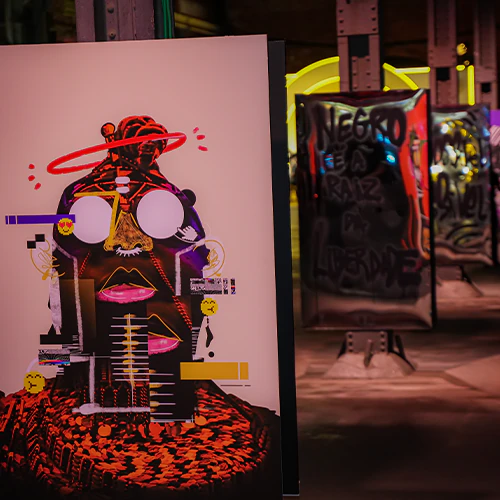
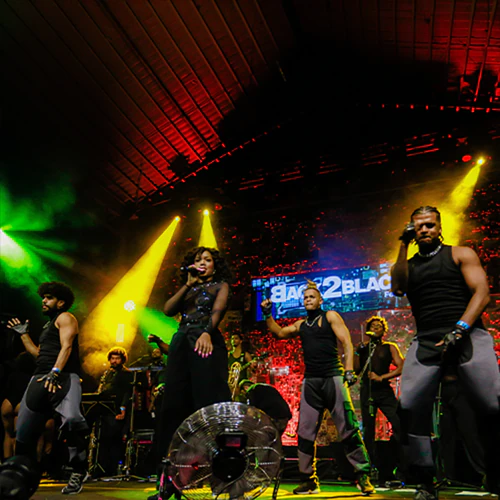
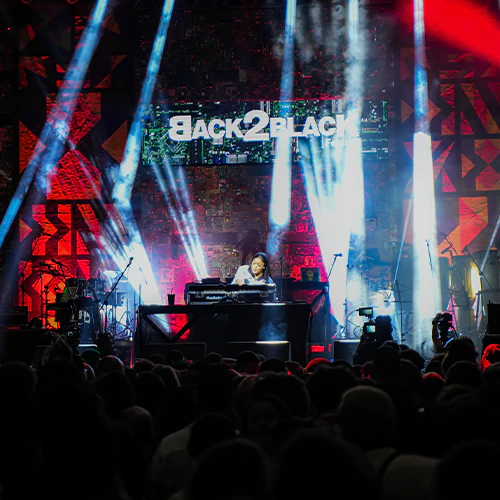
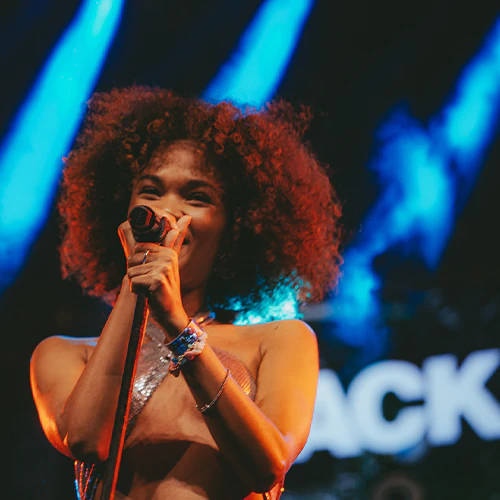
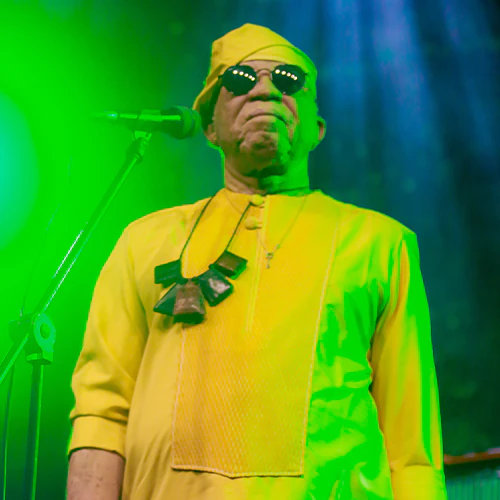
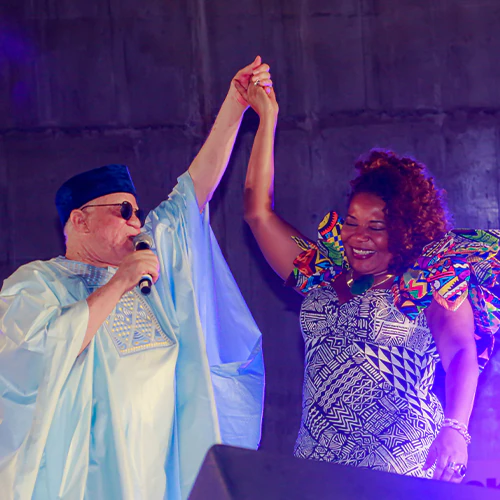
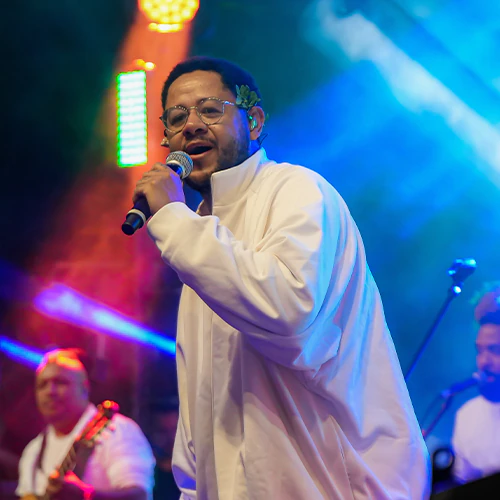
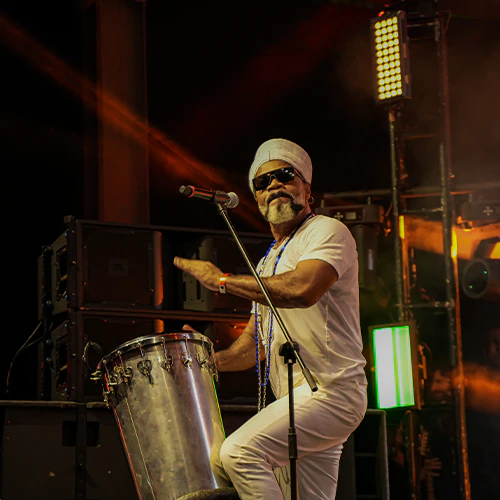
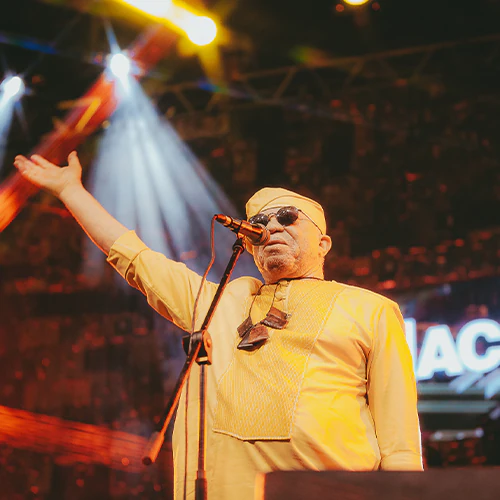
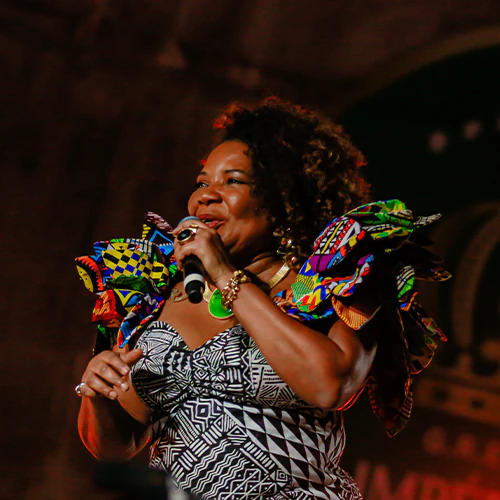
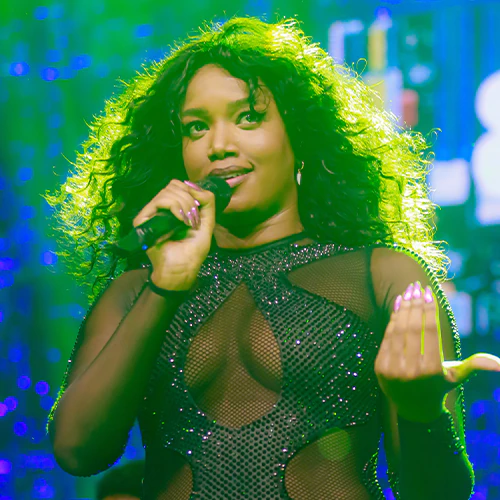
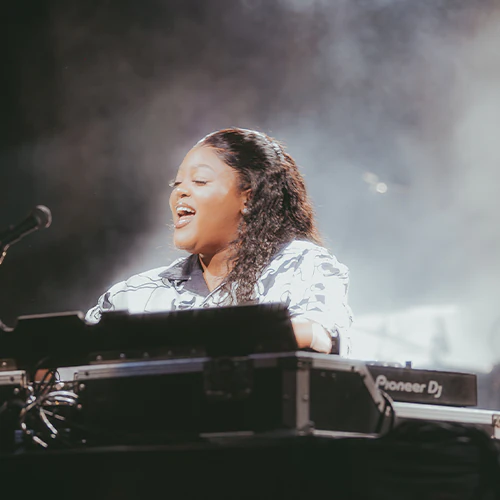
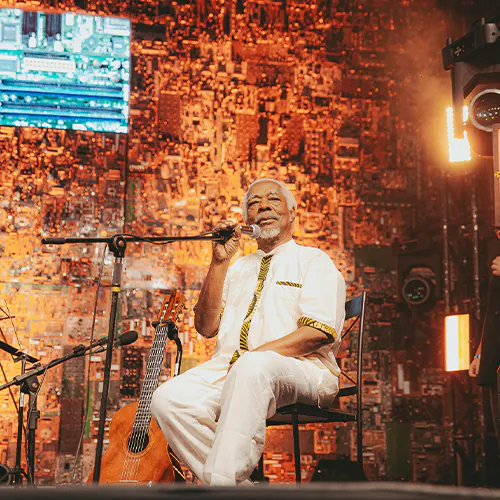
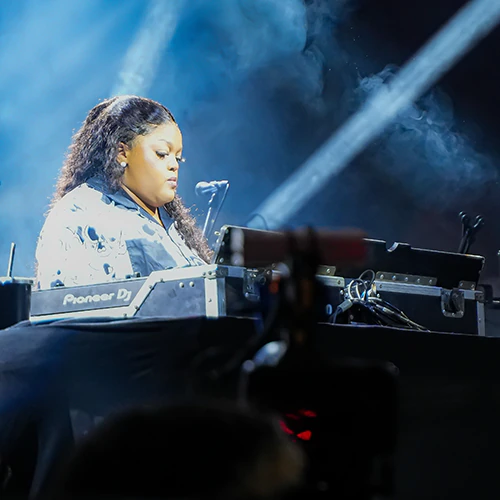
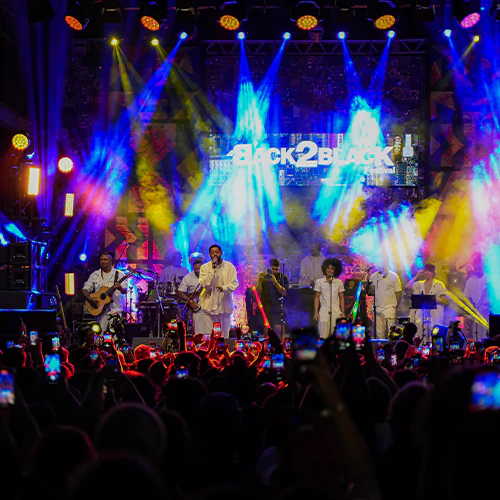
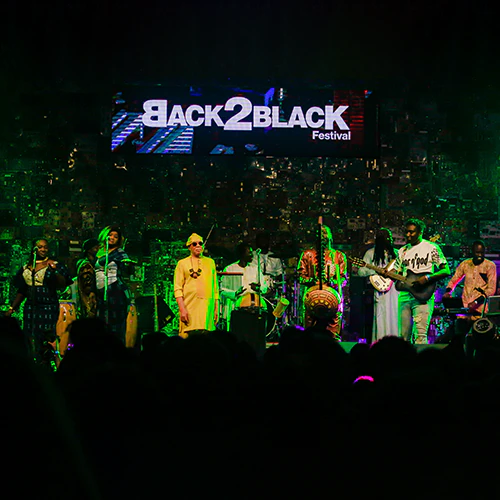
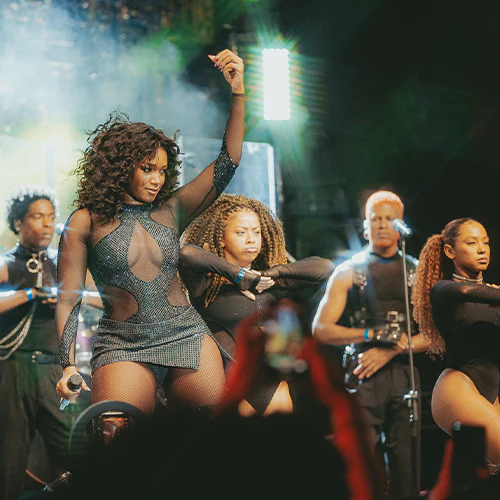
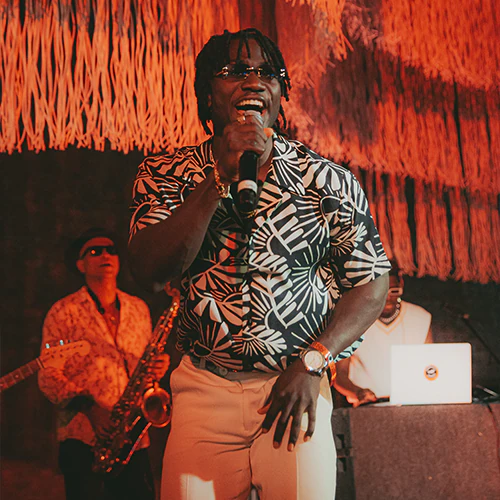
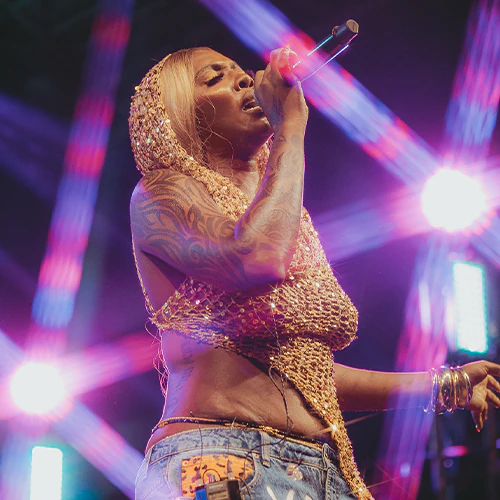
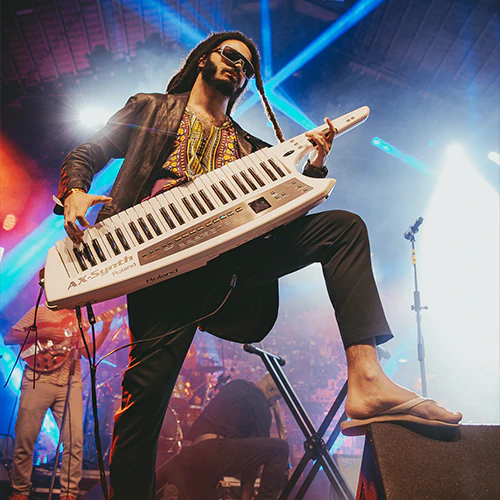
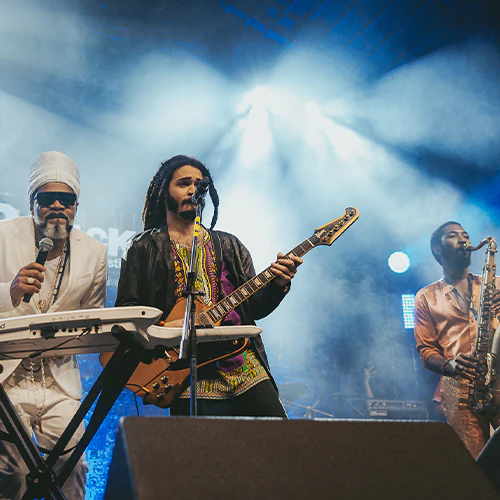
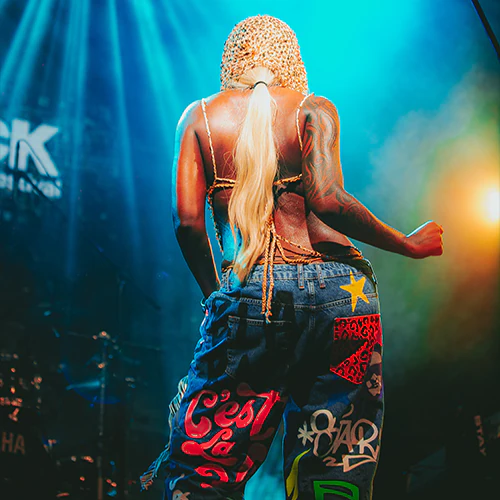
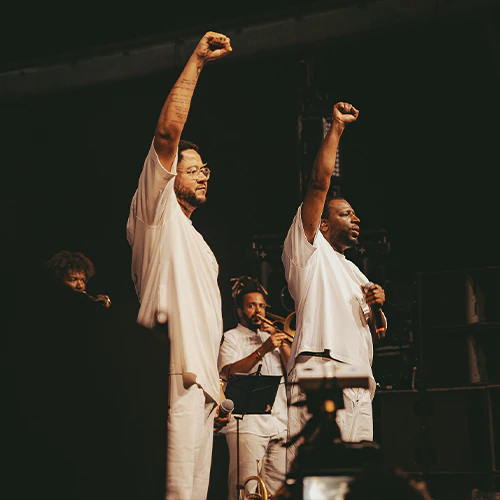
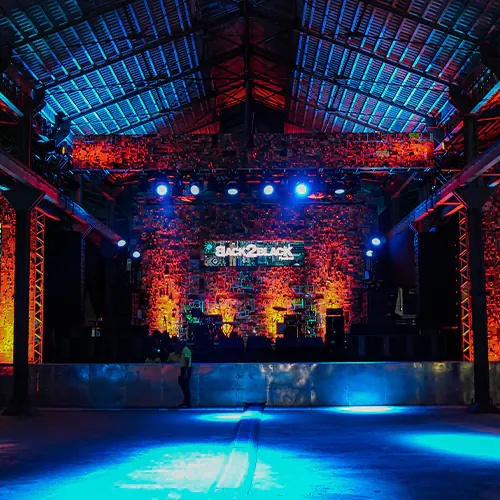
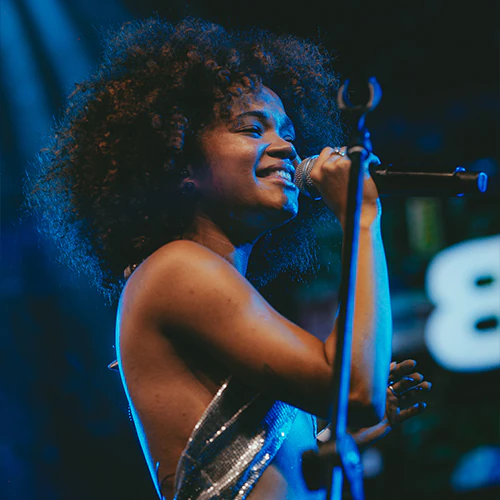
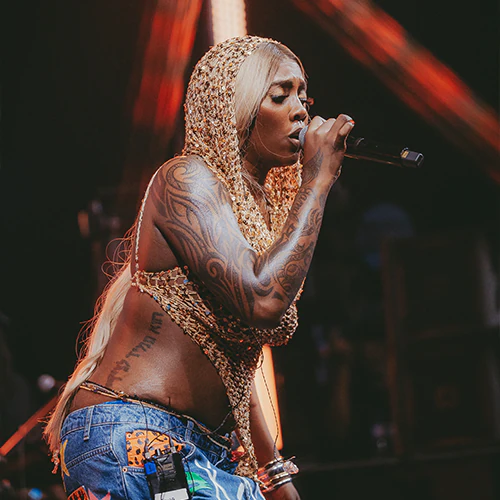
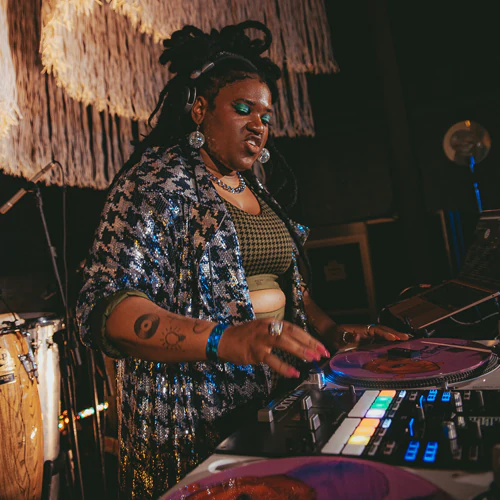
After the pandemic hiatus caused by COVID-19, Back2Black returned for its 11th edition, celebrating the 60th anniversary of Africa Day and bringing together new African and diasporic sounds through programming at Armazém da Utopia and Parque de Madureira. The scenography, created from electronic circuit scrap materials, was designed by curator and documentary filmmaker Marcello Dantas. Over the three days of the festival, the venue also hosted an art exhibition featuring works by Panmela Castro and Maxime Manga (Cameroon). Africa Day opened with an offering to Yemanjá led by Pai Geo of Terreiro Ilê Axé Jitolobí (Bahia), followed by a ritual performance by Cia de Mystérios e Novidades.
Among the conferences, highlights included “Afro-Atlantic Dialogues”, bringing together Cape Verdean musician and activist Dino d’Santiago, Angolan writer Kalaf Epalanga, and Brazilian author Eliana Alves Cruz; “Portraits of Africa”, with singer, songwriter, and researcher Mateus Aleluia alongside Wole Soyinka, the first African writer to receive the Nobel Prize in Literature; and “A Perspective on the Future of the World from a Black and Female Viewpoint”, featuring pioneering voices, activists, and leading figures of our time: Conceição Evaristo, Sinara Rúbia, Zezé Motta, Camila Moradia, and Carolina Morais.
Within this knowledge-driven program, titled Diálogos de Pret’Upias, the festival also presented discussions on “Afrofuturism” with writer Fabio Kabral; “Black Music” with YouTube and its Black Voices Workshop; “Afro-Tourism: Diaspora and the Angola–Brazil Slave Routes”, with Jair Miranda and Afonso Vita (Angola); “Quilombola Life: The Meaning of Struggles for Freedom and Land”, with Bia Nunes, Rafaela Fernandes de Oliveira, and Rozembergue Batista Dias; “Refugee Lives: The Cultural Wealth of African Traditions in Brazil”, with Nianga Lucau (Angola), Serge Makanzu Kiala (Congo), and Pape Babou Seck (Senegal); “Atlantic Africanness in Rio de Janeiro: The Valongo Wharf Complex and Little Africa”, with Dr. Claudio Honorato; as well as spoken-word poetry through the poetry slam collective Slam das Minas.
The musical curatorship of this edition introduced, for the first time in Brazil, artists from the afrobeats and amapiano scenes. Performances included Mateus Aleluia, Salif Keita (Mali), Emicida featuring Dino d’Santiago (Cape Verde), Chico Brown, Mádé Kuti (Nigeria, grandson of Fela Kuti), IZA, DBN Gogo (South Africa), Agnes Nunes, Tiwa Savage (the “diva of afrobeats”), Sued Nunes, Hodari, and Okupiluka Sound System. The dance floors were led by the Yolo Love Party and DJs Will Ow, Hey Jimmy, Tamy, and Afrolai.
Parque de Madureira hosted a free public program, including the theatrical performance “Chegança do Almirante Negro na Pequena África” by the Grande Companhia Brasileira de Mystérios e Novidades—about João Cândido, leader of the Revolta da Chibata—followed by a concert by Salif Keita and band, featuring special participation by Bahian singer and Brazil’s Minister of Culture, Margareth Menezes, and concluding with the Bateria of Portela.
This edition also marked the launch of the Back2Black Institute, whose mission is to promote artist residencies between African and Afro-Brazilian creators, develop projects with refugees, and amplify the voices of quilombola communities. The event also featured Feira Preta, reinforcing its commitment to promoting Black Brazilian entrepreneurship through innovation and creativity.
2023 - October 3, 4, 5 and 6
Back2Black at Rio Innovation Week - Pier Mauá / Brazil
This year, Back2Black joined forces with Rio Innovation Week for a singular edition held within the event, featuring exclusive conferences and showcases. “Back2Black is the materialization of a creative and contemporary movement that looks to the past in order to imagine a less unequal and more innovative future. The continent that was the cradle of humanity is once again shaping our future,” stated Connie Lopes, founder and General Director of Back2Black, in her opening remarks.
The program featured dozens of conferences and talks, including “Understanding Brazil,” with Martinho da Vila; “A Perspective on the Future from a Black and Gender Lens,” with Erika Hilton (transgender federal congresswoman) and Raquel Virginia (singer and songwriter, twice nominated for the Latin Grammy Awards); “Structural or Institutional Racism?” with Carla Akotirene (Master and PhD in Interdisciplinary Studies on Gender, Women, and Feminism) and Katiuscia Ribeiro (philosopher specializing in African philosophy); “Innovation in Cultural Management – The Power of the Peripheries,” with Aline Torres (Secretary of Culture of the City of São Paulo) and Pâmela Carvalho (educator and coordinator of the Rede da Maré); “Narrative, Poetry, Everyday Life, and the Future,” with Rodrigo França (film and theater director) and Renato Nogueira (philosopher and writer); “How Can Literature Prepare Us for the Future?” with writers José Eduardo Agualusa (Angola) and Marcial Gala (Cuba); and “Ancestrality as a Path Toward a Sustainable and Equitable Future,” with historian Jonathan Raimundo.
The free, open-air musical performances presented during this edition in partnership with Rio Innovation Week included “Music and Poetry,” featuring Chico Brown alongside Angolan writer and poet Ondjaki; Robert Hébert with the show “Bossa Nova Chicago Nights”; Okupiluka Sound System; and Black women DJs Tamy and Afrolai.